- About Us
- Privacy Policy
- Shipping and Returns
- Terms and Conditions
- Custom Quotation
- Sample Pack
- Contact Us
- Blogs
© 2025 Copyright. All rights reserved.

Chocolate boxes packaging is entering a more demanding global market. Buyers now evaluate protection, presentation, cost, and environmental performance together. A beautiful box is not enough.
Smithers’ The Future of Sustainable Packaging to 2028 identifies material reduction, recyclability, and fiber-based solutions as major packaging priorities. These findings directly influence premium chocolate formats. Lightweight rigid boxes, paper-based inserts, and recyclable sleeves are gaining attention. However, sustainability claims require evidence. “Eco-friendly” sounds attractive, but it can remain vague without material data, testing, or disposal guidance.
Innova Market Insights’ consumer trend reports consistently highlight transparency, premium experiences, and responsible packaging as important purchase drivers. This matters for international buyers. A chocolate box may travel through humid warehouses, automated filling lines, and long-distance shipping. Its structure must protect delicate pralines, prevent scuffing, and preserve brand appeal on crowded retail shelves.
E-commerce adds another pressure. The box must survive compression and movement, while opening neatly at the customer’s table. Small details matter: magnetic closures, molded paper trays, tamper-evident seals, and accurate color reproduction. They shape both logistics and perceived value.
Some trends will fail.
Why? Design ambition can exceed practical performance. A glossy finish may reduce recyclability. A complex insert may increase waste. The following ten trends examine these tensions through a global buyer’s lens. They connect consumer expectations with manufacturing experience, packaging specifications, and credible industry research. The goal is not to chase every fashionable idea. It is to identify chocolate packaging solutions that look refined, perform reliably, and remain commercially realistic.
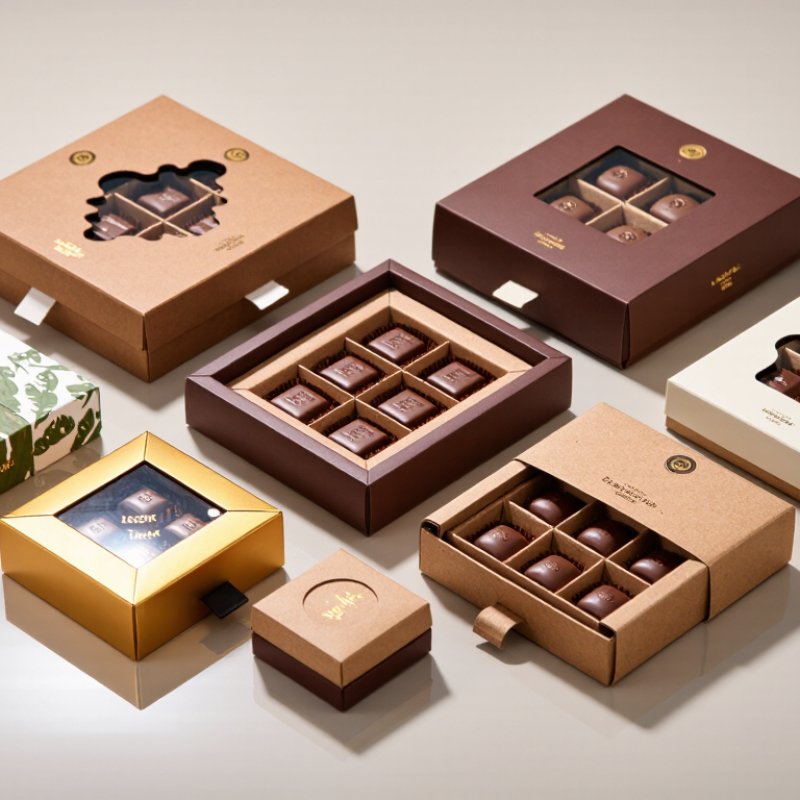
Chocolate box packaging is the designed system that protects, presents, and transports chocolate products. It may include cartons, rigid boxes, inserts, sleeves, labels, and protective coatings.
Its purpose goes beyond appearance. A strong package limits moisture, light, odor transfer, and movement during shipping. For global buyers, packaging also communicates quality before the box is opened.
The market is changing quickly. Smithers estimates the global packaging market could reach about US$1.23 trillion by 2028. Meanwhile, the OECD reported that only 9% of plastic waste was recycled globally in 2019.
These figures explain why buyers increasingly request recyclable paperboard, reduced plastic components, and clear material specifications. However, sustainability claims can be vague. A box may use paper, yet still contain difficult-to-separate films or coatings. That detail is easy to miss. It should not be.
Tips: Ask suppliers for material composition, recyclability evidence, food-contact documentation, and transport testing. Check whether the box survives humidity and compression. A beautiful sample is not enough. Request pilot testing before large production.
Also compare pack size with product weight, because oversized packaging raises freight costs and creates unnecessary waste. Trends such as magnetic closures, window cutouts, and personalization remain attractive, but they can increase material use. Global buyers need balance: shelf impact, protection, compliance, and realistic end-of-life performance.
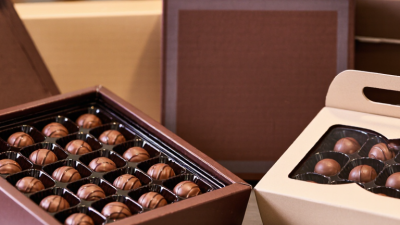
Global chocolate buyers are moving beyond decoration. McKinsey’s 2023 global packaging research found that 60–70% of consumers would pay more for sustainable packaging. That changes the box brief. The ten leading trends include recyclable mono-material paperboard, certified fiber, molded-pulp trays, lightweight rigid structures, and plastic-free windows. They also include water-based inks, low-coverage printing, debossed textures, modular formats, and digital printing for smaller batches. Less is winning. Yet fiber choice needs evidence, not attractive claims.
European data shows packaging waste reached 188.7 kilograms per person in 2021, according to Eurostat. Buyers therefore examine board weight, coatings, adhesives, and disposal instructions. A glossy laminated box may look premium but complicate recycling. Matte aqueous coatings, paper seals, and lower-ink designs can reduce that concern, although local recycling rules still decide performance. Molded fiber protects individual chocolates with less plastic, but it may shed dust or absorb humidity. Testing remains essential.
Premium rigid boxes are becoming smaller, reusable, and easier to flatten. Magnetic closures still feel luxurious, but their mixed components deserve scrutiny. QR-linked batch information, multilingual disposal guidance, and digital personalization add practical value without extra printed inventory. Structural design now balances shelf impact, compression strength, aroma protection, and freight efficiency. Buyers should request material specifications, migration testing, recyclability evidence, and sample trials before approval. The uncomfortable truth: a beautiful sustainable box can still fail in transit.
Chocolate box packaging is moving beyond decorative finishes. Global buyers now examine material origin, recyclability, and transport efficiency before approving a design. Recycled paperboard, molded fiber inserts, and water-based inks are gaining practical attention. These choices reduce plastic use without making the box feel fragile. A lighter box can also lower shipping emissions and handling costs.
During packaging evaluations, buyers often request clear material specifications. They check recycled content, food-contact suitability, and disposal guidance for each component. A paper sleeve may be recyclable, while a laminated insert may require separate treatment. Small details matter. Suppliers should provide test reports, fiber sources, and realistic recycling instructions. Vague environmental claims weaken trust.
No package is perfectly sustainable. A recycled board can still travel across several countries before reaching a warehouse. We once saw an attractive box fail because its insert blocked efficient pallet stacking. That mistake increased transport space and damaged the sustainability target. Better designs use fewer layers, accurate dimensions, and protective structures tested under humidity and vibration. Some buyers may also consider refillable boxes, but cleaning and reverse logistics can become expensive. The strongest solution is not always the most sophisticated one; it is the option that performs reliably through production, shipping, display, and disposal.
Sustainable packaging priorities are increasingly shaped by recyclability, material efficiency, responsible sourcing, and practical end-of-life solutions.
The priority index is a comparative 0–100 scale based on commonly recognized sustainable-packaging criteria, including recyclability, reduced material use, recycled content, renewable inputs, food safety, and supply-chain practicality. Local collection and composting infrastructure can affect the real-world performance of each solution.
Global buyers now examine chocolate packaging beyond appearance. They assess protection, handling, storage, and customer experience. In supplier trials, sturdy magnetic closures reduced damage during transport. However, overly tight lids sometimes frustrated older customers. Practical testing remains essential.
Functional designs include food-safe inner trays, moisture barriers, and removable dividers. These features protect delicate pieces and support different chocolate shapes. Compact boxes can reduce shipping volume. Clear size specifications help buyers compare suppliers accurately. Small details matter.
Premium packaging increasingly uses textured paper, soft-touch finishes, foil accents, and precise embossing. Buyers want a luxurious feel without excessive material use. Recyclable paper structures are gaining attention, although recycling access differs between markets. This detail needs honest communication. Personalized packaging also supports seasonal editions, multilingual labels, and short-run orders. Digital printing can reduce setup demands, but color matching may vary slightly across batches. Buyers should request physical samples before approval. QR-based product information may improve traceability, yet it should not replace readable packaging details. My view is still developing. Some decorative features look impressive online but add little value in real use.
Chocolate box packaging is now evaluated as a supply-chain asset, not only a gift wrapper. Global buyers compare board grade, food-contact safety, moisture resistance, and drop-test results. They also check whether inserts protect each piece during long-distance shipping. Packaging waste matters. The United Nations Environment Programme reported in Turning off the Tap (2023) that packaging creates about 36% of global plastic production. This supports demand for paper-based structures, recyclable coatings, and right-sized boxes. However, “recyclable” claims require evidence, not attractive wording.
Cost comparisons should include the full landed price. Buyers review tooling fees, minimum order quantities, carton efficiency, freight volume, and defect allowances. A cheaper box can become expensive after crushed corners or loose inserts. Smithers’ The Future of Sustainable Packaging to 2028 identifies material reduction and circularity as major packaging priorities. Buyers therefore request fiber certification, coating details, supplier audits, and consistent color samples. Digital printing supports smaller trials, while rigid boxes still offer stronger shelf presence. The trade-off is real.
Tips: Request a physical prototype before approving production. Test one packed box in a simulated export shipment. Compare price per protected chocolate, not price per empty box. Ask suppliers for recent test records and clear material specifications. Leave room for improvement. Early samples often reveal oversized cavities, weak magnets, or finishes that mark easily. McKinsey’s 2023 packaging research also found that many consumers are willing to pay more for sustainable packaging, but this willingness varies by market and product category. That uncertainty should shape, not dictate, sourcing decisions.
© 2025 Copyright. All rights reserved.

Magento Catalog Menu Widget by EMThemes Magento Themes & Magento Templates