- About Us
- Privacy Policy
- Shipping and Returns
- Terms and Conditions
- Custom Quotation
- Sample Pack
- Contact Us
- Blogs
© 2025 Copyright. All rights reserved.

For global buyers, packaging is no longer a simple container. It signals supply-chain discipline, material awareness, and brand responsibility. Eco packaging boxes can reduce unnecessary plastic, support efficient shipping, and strengthen a product’s market presentation. Yet “eco” should never remain a vague marketing claim. Buyers need clear information about fiber sources, recycled content, coatings, printing methods, and end-of-life options.
This guide examines ten practical types of eco packaging boxes used across retail, food, cosmetics, electronics, and subscription commerce. Options include corrugated mailers, kraft cartons, folding cartons, rigid recycled boxes, and molded-fiber packages. Each format has different strengths. A lightweight mailer may lower transport emissions, while a rigid box can protect fragile products more effectively. Real-world selection depends on product weight, moisture exposure, stacking pressure, warehouse conditions, and destination markets.
Details matter. A box that looks sustainable may still contain difficult laminates or excessive inserts. No box is perfect. Even recyclable packaging can create impacts through production, transport, and disposal systems. Reliable buyers should request supplier specifications, test samples, packaging certifications, and realistic recycling guidance. Experience also shows that over-packaging often begins with poor sizing, not poor materials. Small design changes can remove empty space, reduce damage, and improve pallet efficiency. The ten types below offer a useful starting point, but responsible decisions require testing, evidence, and honest reflection on the entire packaging lifecycle.
What Makes Packaging Boxes Eco-Friendly for Global Buyers
Eco-friendly packaging begins with material choices, but it cannot end there. A box using recycled fiber may reduce virgin resource demand and lower manufacturing impacts. The OECD Global Plastics Outlook reports that global plastic waste reached 353 million tonnes in 2019. Only 9% was recycled. Numbers matter.
For international buyers, recyclable fiber, water-based inks, and fiber-based protective inserts can improve recovery options. However, recycling depends on local collection systems, sorting technology, and contamination levels. A recyclable box is not automatically recycled. That distinction is often missed. Buyers should request life-cycle assessment data based on ISO 14040 principles, not rely on vague “green” claims. Credible chain-of-custody certification can also support responsible fiber sourcing.
Design efficiency matters as much as the material itself. A right-sized box uses less board, reduces empty space, and lowers transport emissions. Lightweight construction helps, but excessive thinness can cause product damage and waste. This trade-off requires real shipping tests. UNEP’s 2023 Turning off the Tap report estimates that plastic pollution could fall by 80% by 2040 through reuse, recycling, and material reduction. Yet those solutions are not equally available worldwide. Global buyers should examine regional infrastructure, packaging regulations, and end-of-life instructions before approving a box. Our industry still needs more transparent data. Some “eco” improvements may look impressive, but their full impact remains uncertain.

Eco-friendly packaging boxes reduce environmental impact through recyclable materials, recycled content, renewable fibers, low material use, and reusable designs.
The Eco-Design Score is a transparent comparison index out of 100, calculated from four practical criteria: fiber recyclability, recycled or renewable content, material efficiency, and reuse potential. Higher scores indicate stronger overall eco-packaging characteristics for international buyers. Actual performance depends on coatings, inks, adhesives, sourcing, and local recycling infrastructure.
Packaging decisions should match the product, shipping route, and local recycling system. These ten eco-friendly box types cover common commercial needs.
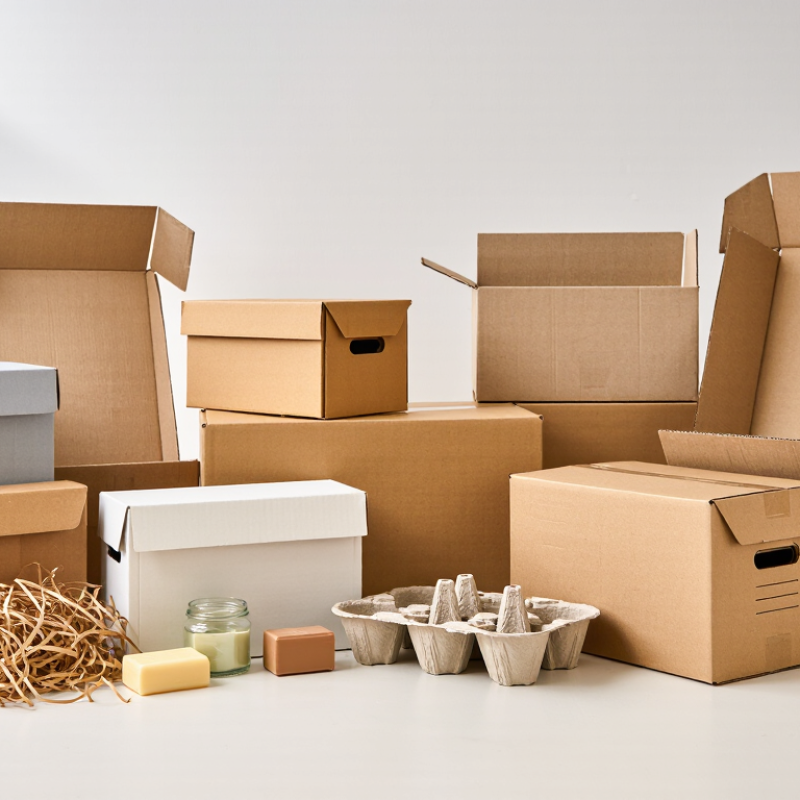
Corrugated shipping boxes protect heavier goods during transport. Folding cartons suit cosmetics, food, and retail products. Kraft mailer boxes work well for lightweight online orders. Rigid setup boxes present premium gifts and delicate items. Molded pulp boxes cushion electronics or fragile components without plastic foam. Paper tubes package posters, bottles, and small cylindrical products.
Honeycomb paper boxes provide strong protection for furniture parts and industrial items. Reusable corrugated boxes support closed-loop deliveries between warehouses and stores. Padded paper mailers protect books, clothing, and small accessories. Paper window boxes display bakery goods or handmade products while reducing plastic content. The window still needs careful material selection.
In my packaging projects, box performance depends on more than fiber content. Board thickness, moisture resistance, folding accuracy, and adhesive choice matter greatly. A lightweight carton can reduce freight emissions, but it may fail under humid storage. That mistake becomes expensive. Recycled fiber is valuable, yet local collection systems may not accept every coating or mixed material. I recommend testing filled boxes through stacking, drop, and vibration trials. Clear disposal instructions also improve recovery rates. No box is perfect. Better results come from matching structure, use, and regional waste practices.
Materials, certifications, and sustainability features deserve careful comparison before any packaging order. Corrugated boxes, folding cartons, rigid paper boxes, molded pulp boxes, kraft mailers, honeycomb boxes, paper tubes, recycled board boxes, reusable fiber boxes, and paper-based gift boxes offer different advantages. Corrugated packaging protects heavy products well, while molded pulp suits fragile items such as bottles or electronics. Recycled board may reduce virgin material use, but its strength can vary.
Look for clear fiber sources, recycled content percentages, water-based inks, and low-plastic adhesives. Forestry certifications can support responsible sourcing, while chain-of-custody documents improve traceability. Compostable packaging needs more careful checking. Some materials break down only in controlled industrial facilities, not in household compost. That detail matters.
Ask suppliers for compression tests, moisture resistance data, and migration reports when packaging touches food. Certifications should match the destination market, not simply decorate a sales sheet. Environmental management certification can show process control, but it does not prove every box is sustainable. A lighter box may reduce transport emissions, yet fail during shipping and create replacement waste. I have seen buyers focus on recycled content while ignoring poor recyclability caused by coatings and mixed materials. The better comparison includes product protection, end-of-life options, local collection systems, and honest documentation.
There is no perfect box.
Selecting the right eco packaging box starts with the product, not the material trend. A lightweight shirt may suit a recycled paper mailer with a snug fit. A ceramic cup needs corrugated protection, molded pulp inserts, and enough space for cushioning. Oversized boxes waste material and increase shipping emissions. Too-tight boxes create pressure points.
For cosmetics, folding cartons made from recycled paper can provide clean printing and easy shelf display. Small electronics need stronger corrugated board, internal dividers, and moisture protection. Food packaging requires suitable coatings and verified contact compliance. Never assume “compostable” means suitable everywhere. Local facilities may not process it.
Product weight matters. So does handling. Drop-test filled boxes from practical heights, then inspect corners, seams, and product surfaces. In packaging trials, a box sometimes looked excellent but split after humidity exposure. That mistake was useful. It showed that laboratory strength alone cannot represent every delivery route. Select certified recycled content where possible, but check the certificate scope and current validity.
For luxury items, rigid paperboard boxes can improve presentation, though they often use more material. A thinner folding carton may be the better choice for lighter products. Compare protection, weight, recyclability, print coverage, and production waste. Ask suppliers for samples. Test the actual product, not an empty box.
| No. | Eco Packaging Box Type | Typical Material | Best-Suited Products | Protection Level | Moisture Resistance | End-of-Life Profile | Relative Cost | Selection Guidance |
|---|---|---|---|---|---|---|---|---|
| 1 | Recycled Corrugated Box | Post-consumer or post-industrial recycled paper fibers | E-commerce goods, appliances, books, household products | High; flute profile provides cushioning and stacking strength | Low to moderate unless coated or treated | Widely recyclable when clean and free from non-paper components | Low | Choose the flute grade and board strength according to product weight, shipping distance, and stacking conditions. |
| 2 | FSC-Certified Paperboard Folding Carton | Paperboard from responsibly managed forest sources, often with recycled content | Cosmetics, dry food, pharmaceuticals, small consumer goods | Moderate; suitable for lightweight retail products | Low unless a compatible barrier coating is used | Generally recyclable if coatings, foils, and plastic windows do not prevent local processing | Low to medium | Use for products needing strong shelf presentation but limited heavy-load protection. |
| 3 | Molded Pulp Box | Molded recycled paper, wood fiber, or agricultural fiber pulp | Electronics, bottles, tableware, fragile components | Moderate to high; custom cavities can hold products securely | Low to moderate depending on fiber density and coating | Usually recyclable or compostable when made without incompatible additives | Medium to high | Select molded pulp for products requiring fitted protection and reduced use of plastic inserts. |
| 4 | Kraft Paper Mailer Box | Unbleached kraft paperboard or corrugated kraft board | Apparel, accessories, subscription products, books | Moderate; self-locking designs can reduce movement during delivery | Low to moderate | Recyclable through standard paper and cardboard streams when uncontaminated | Low | A practical choice for direct-to-consumer shipping when the product does not require high-impact protection. |
| 5 | Rigid Recycled Paper Box | Thick recycled paperboard, often wrapped with printed paper | Premium gifts, jewelry, electronics, specialty products | High structural rigidity; limited shock absorption without an insert | Low unless protected with a suitable coating | Recyclability depends on laminates, magnets, ribbons, foam, and other attached materials | Medium to high | Use when presentation, reusability, and a premium unboxing experience are important. |
| 6 | Bagasse Fiber Box | Sugarcane bagasse, a fibrous by-product of sugar production | Takeaway food, bakery items, agricultural products, light consumer goods | Moderate for lightweight products | Moderate; grease and water resistance usually requires a certified coating | May be compostable in suitable facilities; local acceptance and coatings must be verified | Medium | Select only after confirming food-contact compliance, moisture requirements, and local composting infrastructure. |
| 7 | Bamboo Fiber Box | Bamboo pulp or bamboo fiber blended with other cellulose fibers | Gifts, cosmetics, dry goods, small lifestyle products | Moderate; depends on board thickness and construction | Low to moderate without a barrier layer | Usually paper-recyclable when made from compatible fibers and free of complex laminations | Medium | Check whether the bamboo is responsibly sourced and whether the finished box uses mixed, difficult-to-separate materials. |
| 8 | Recycled Paper Honeycomb Box | Paper honeycomb core combined with recycled paper liners | Glassware, furniture components, ceramics, delicate industrial parts | High cushioning and compression performance for its weight | Low to moderate | Generally recyclable if adhesives and added coatings are compatible with paper recycling | Medium | Choose this structure when impact protection is needed without relying on expanded plastic foam. |
| 9 | Reusable Corrugated Shipping Box | Heavy-duty corrugated fiberboard with reinforced folds or closures | Reverse logistics, rental products, returnable e-commerce shipments | High for repeated handling when correctly designed | Low to moderate | Can be reused multiple times and recycled at the end of its service life | Medium to high | Best where return rates are predictable and the packaging can complete several delivery cycles. |
| 10 | Compostable Coated Paper Box | Paperboard with a certified compostable bio-based or mineral-based coating | Prepared food, dry food, personal-care items, lightweight retail products | Moderate | Moderate to high depending on the coating and intended application | Commercial compostability must be certified and supported by local collection facilities | Medium to high | Do not assume “compostable” means home-compostable; verify certification, disposal routes, and food-contact requirements. |
Global sourcing starts with material selection, not attractive artwork. Corrugated cartons, folding cartons, molded-pulp boxes, kraft mailers, honeycomb boxes, and rigid recycled-paper boxes suit different products. OECD’s Global Plastics Outlook 2022 reports that packaging creates about 40% of global plastic waste. This makes material reduction a practical purchasing priority. Ask suppliers for recycled content, fiber origin, coating details, and test results. A brown box is not automatically greener.
Customization can change environmental performance. Smaller dimensions reduce empty space, freight weight, and warehouse volume. However, heavy embossing, foil layers, magnetic closures, and mixed materials can weaken recyclability. Request dieline samples before mass production. Check compression strength, moisture resistance, drop performance, and print adhesion with real products inside. It is an unglamorous step, but laboratory data cannot replace every shipping route.
Compliance must be checked before placing a deposit. Eurostat reported 186.5 kilograms of packaging waste per European resident in 2022. Buyers should review packaging composition, recycling labels, ink safety, and extended producer responsibility duties for each destination. Request a current declaration of conformity and independent test reports. Verify whether recycled claims are traceable to batch records. Requirements differ between markets, and supplier assurances may be incomplete. A packaging audit, performed before artwork approval, can expose hidden costs and prevent rejected shipments.
© 2025 Copyright. All rights reserved.

Magento Catalog Menu Widget by EMThemes Magento Themes & Magento Templates