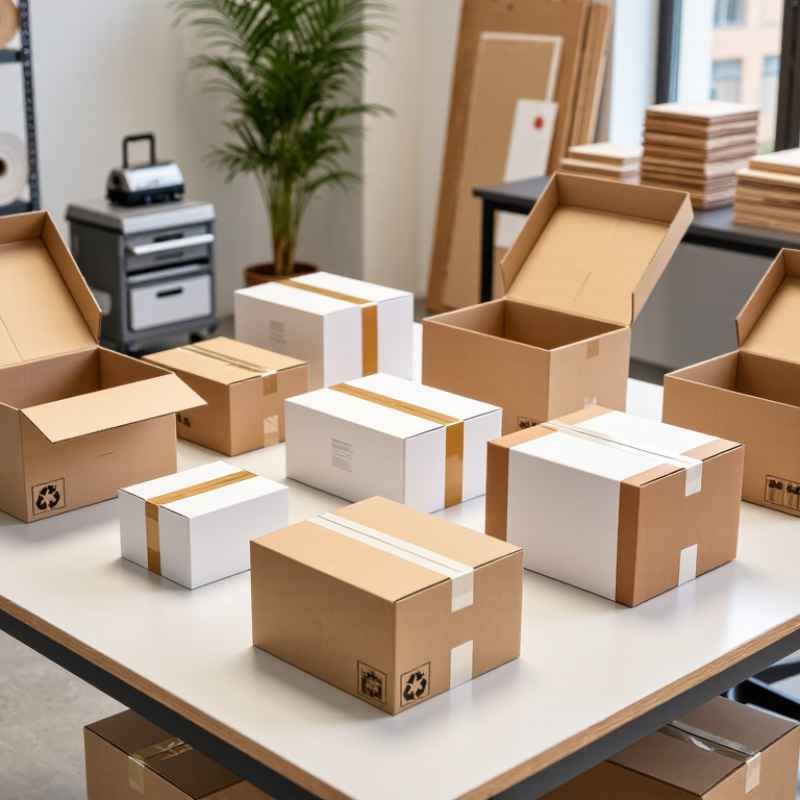
How to Find Top Bespoke Packaging Boxes in China?

Finding reliable bespoke packaging boxes in China requires more than comparing factory prices. It requires evidence, clear specifications, and practical quality checks. Smithers’ The Future of Global Packaging to 2028 forecasts the worldwide packaging market could reach approximately US$1.2 trillion by 2028. This growth reflects strong demand for customized, sustainable, and premium packaging. China remains a major manufacturing hub, but supplier capability differs widely.

The right partner should demonstrate experience with your product category, materials, printing methods, and delivery requirements. Ask for recent samples, production photographs, factory certifications, and documented quality procedures. ISO 9001 certification can indicate a structured quality system, although certification alone proves little. Request a pre-production sample. Check the board thickness, folding accuracy, color consistency, adhesive strength, and internal fit. Small details matter.

Sustainability also deserves careful attention. The Sustainable Packaging Coalition emphasizes material efficiency, recyclability, and responsible sourcing. FSC-certified paper may support traceable forestry claims, but buyers should verify the certificate and scope. The International Safe Transit Association recommends standardized distribution testing for products facing transport risks. Not every box needs the same test. However, skipping testing can create expensive surprises.

Some market reports use different definitions and currencies. Their figures are useful, not perfect. Treat them as direction, not proof. A dependable sourcing process combines industry data, supplier audits, prototype approval, and written specifications. When evaluating bespoke packaging boxes, compare total value rather than the lowest quotation. A cheaper box may hide weaker board, higher damage rates, or inconsistent finishing. Ask precise questions. Then verify every answer.

How to Find Top Bespoke Packaging Boxes in China?

Define Your Custom Packaging Requirements

Before searching for top bespoke packaging boxes in China, define the product requirements precisely. A strong brief should include length, width, height, board grade, finish, opening style, and expected order quantity. Add the product weight and shipping conditions. These details guide structural design and prevent costly revisions.

Material choice needs evidence, not guesswork. McKinsey’s 2020 packaging research found that 60–70% of consumers in Europe and North America would pay more for sustainable packaging. This supports recyclable paperboard, reduced coatings, and right-sized construction. However, sustainability claims must match verified material data and local market requirements.

Ask suppliers for material certificates, production samples, color proofs, and compression-test results. In practice, even experienced buyers can overlook inner clearance by a few millimeters. That small error may damage the product.

Tips:

Prepare a one-page specification sheet before requesting quotations. Show product photos, target retail price, delivery location, and preferred packaging quantity. Request two prototypes: one for appearance and one for shipping tests.

Compare quotes by material, tooling, sampling, packing method, and lead time. Do not select the lowest price automatically. A clear sample review often reveals weaknesses that drawings hide.

My own checklist still changes after prototype testing. That is useful, not failure.
Research China’s Bespoke Packaging Box Market

Researching China’s bespoke packaging box market requires more than comparing online catalogs.

Start by mapping suppliers by material, production method, order quantity, and export experience. Request factory photos, sample boxes, and recent quality records. A supplier may show beautiful prototypes. Ask about the ordinary batch. That is where consistency appears.

Check board thickness, folding accuracy, surface finish, and color control under daylight. These details reveal technical capability better than polished sales language.

Tips:

Build a simple comparison sheet. Record sample costs, tooling fees, minimum order quantities, lead times, shipping protection, and inspection terms. Ask whether recycled paper claims have supporting documents.

Confirm the factory can meet your destination’s labeling, material, and packaging requirements. Do not trust one sample alone. Order a small pilot batch when possible. It costs more upfront.

It can expose weak glue, scratched coatings, or warped lids before a larger purchase. Speak with two production contacts, not only one salesperson. Communication can change after payment.

Evaluate value, not only price.

A cheaper quote may exclude inserts, revisions, protective cartons, or quality inspection. Clarify who approves artwork and how color differences are handled. Keep signed specifications with dimensions, tolerances, materials, and acceptance photos.

Supplier directories are useful starting points, but they are not proof of reliability. I have found this easy to underestimate. Visit remotely or in person when practical. Ask difficult questions politely. Good sourcing is rarely perfect.

Evaluate Suppliers, Materials, and Production Capabilities

Finding top bespoke packaging boxes in China requires more than comparing online quotations. Start by evaluating the supplier’s practical experience with your box structure, finish, and delivery volume. Ask for factory photos, production videos, business documents, and recent sample records. A reliable supplier should explain material sources, quality controls, and realistic lead times without avoiding difficult questions. Visit the facility when possible. Production details matter.

Materials affect appearance, protection, cost, and environmental performance. Compare paperboard thickness, surface coating, foil, embossing, inserts, and adhesive strength. Request a physical prototype before approving mass production. Check folding accuracy, color consistency, edge alignment, and how the box performs under stacking pressure. A polished sample can still hide weak internal construction. I learned that the hard way.

Tips: Send clear drawings, dimensions, product weight, and packing requirements. Define acceptable color and size tolerances. Ask how defective units are handled. Request a pre-production sample and an inspection report before shipment. Keep communication written. Small details prevent expensive confusion.

Production capability should match your order, not just the supplier’s promises. Review available equipment, manual assembly capacity, quality checkpoints, and monthly output. Ask whether your project will use one facility or several subcontractors. Subcontracting is not automatically bad, but it needs disclosure and control. Price should be assessed beside consistency, response speed, and problem-solving ability. The cheapest quote may become the most expensive mistake.

Compare Samples, Pricing, and Minimum Order Quantities

Finding top bespoke packaging boxes in China requires more than comparing online photographs. Request physical samples from at least three factories. Check board thickness, folding accuracy, print registration, coating quality, and glue strength. A rigid box should open smoothly without cracking. Measure the sample against your product, not only the supplier’s specification sheet. Small differences can affect shipping costs and customer experience.

Tips: Ask each supplier for the same quotation format. Include box size, material, printing colors, finishing, inserts, packaging method, and delivery terms. Compare prices per unit, tooling charges, sample fees, and shipping separately. A low price may exclude essential details. That is a common mistake.

Minimum order quantities also need careful comparison. One factory may accept 500 boxes, while another requires 3,000. Lower quantities can increase unit pricing, but they reduce inventory risk. Ask whether the MOQ applies to each design, size, or total order. Confirm production lead time and payment stages in writing. Before approval, request a pre-production sample with final materials. I once overlooked an insert tolerance, and the product moved during transport. The packaging looked excellent, but performance was weaker than expected. Reliable suppliers should explain limitations clearly, provide measurable specifications, and accept reasonable quality checks before mass production.

How to Find Top Bespoke Packaging Boxes in China?

Compare sample lead time, estimated unit pricing, and minimum order quantities before requesting supplier quotations. The figures below are indicative benchmarks for custom packaging orders at approximately 1,000 units.

Rigid and magnetic boxes generally require higher budgets, while folding cartons offer faster sampling and lower unit costs. Confirm material, dimensions, printing, finishing, tooling, shipping, and final MOQ in the written quotation.

Verify Quality, Compliance, and Shipping Arrangements

Finding bespoke packaging boxes in China requires more than comparing quotations. I usually request a physical sample before approving bulk production. Ask for board grade, thickness, dimensions, coating, and print tolerance in writing. A reliable factory should explain its testing process clearly. Check edge strength, folding accuracy, color consistency, and odor after opening the sample. Small details matter. Photograph each sample beside a ruler and a reference color card. I once trusted digital images too quickly, and the delivered blue looked noticeably darker. That mistake still influences my inspection checklist.

Compliance needs equal attention. Confirm that inks, adhesives, coatings, and recycled fibers suit the destination market and intended use. Request current test reports, material declarations, and traceable production records. Do not accept vague claims such as “eco-friendly” without supporting documents. If the box touches food, cosmetics, or children’s products, follow applicable specialist requirements and use independent testing. Ask whether certificates belong to the exact material and factory, not a similar item. Documents can be outdated. Verify dates, scope, and issuing laboratories before payment.

Shipping arrangements should be agreed before production starts. Confirm carton counts, pallet dimensions, gross weight, loading photos, and shipping terms in the purchase contract. Clarify who handles export paperwork, inspection, insurance, and destination charges. Request a realistic production schedule with buffer time for sampling and rework. A low unit price can become expensive after port delays or damaged cartons. Use moisture protection and corner guards for sea freight. I still prefer a pre-shipment inspection, although it adds time. Rushing this stage may save days and create weeks of problems.

Magento Catalog Menu Widget by EMThemes Magento Themes & Magento Templates