How to Source Bespoke Boxes Packaging for Your Business

Sourcing bespoke boxes packaging is not simply a search for attractive cartons. It is a practical decision about protection, presentation, production, and cost. A box must fit the product closely, arrive intact, and make sense for the way your team packs orders. Product-design pioneer Steve Jobs once observed, “Packaging can be theater, it can create a story.” That idea matters, but the story still has to survive shipping.

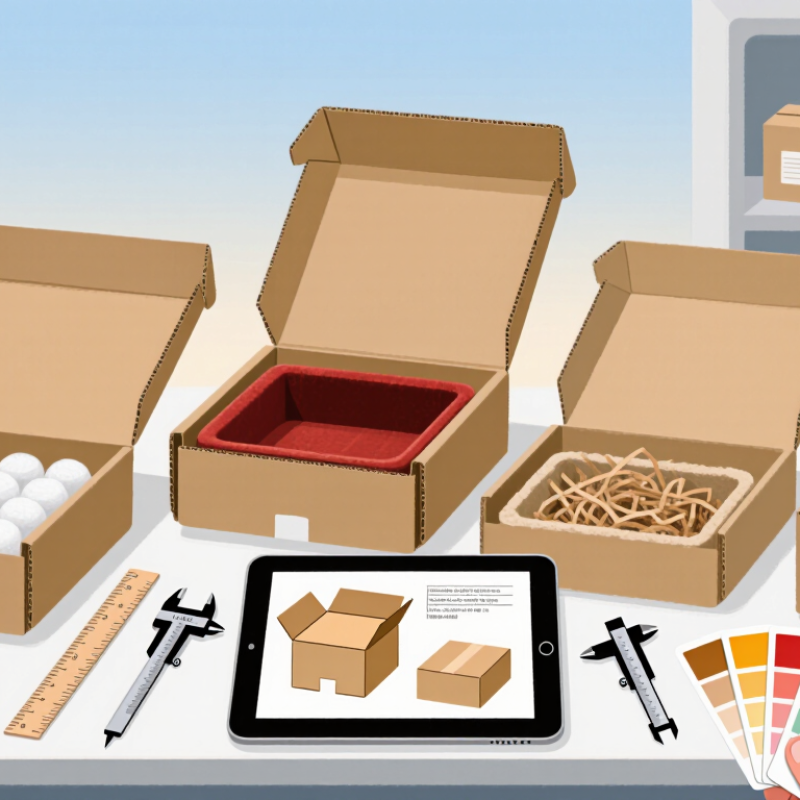
Start with the product and its journey. Record its dimensions, weight, fragility, and storage conditions. Then consider board strength, box style, inserts, finishes, and print requirements. A cosmetics brand may need a neat presentation tray; a ceramic maker may need a snug insert that limits movement. Ask suppliers about minimum order quantities, lead times, sample costs, and shipping arrangements. Request a physical sample, not just a digital mock-up. Small details show up fast: a lid that feels loose, a color that shifts, or an insert that scuffs the surface.

Compare suppliers on more than the unit price. Check whether they can explain material choices, provide clear proofs, and handle repeat orders consistently. A low quote can hide setup fees or freight costs. It happens. For a first order, testing a modest quantity can reveal problems before they multiply, though it may raise the per-box cost. There is no perfect specification on paper. This guide outlines how to define your needs, assess suppliers, review samples, and make a sourcing decision grounded in real-world performance.
How to Source Bespoke Boxes Packaging for Your Business

Define Your Business Requirements for Bespoke Box Packaging

Before requesting bespoke box packaging, define what the box must do. Measure the product’s length, width, and height, including handles or other parts that may protrude. Note its weight and how fragile it is. A snug fit can reduce movement, but tight corners may damage delicate surfaces. Small details matter.

Describe the journey from packing table to customer. Will boxes be stacked, shipped individually, or placed inside larger cartons? Estimate your typical order volume and seasonal peaks. These figures help suppliers discuss practical production quantities and storage needs. Be realistic about your budget and launch date, too. Estimates can change, and that is worth allowing for.

Then specify the opening experience, print needs, and preferred materials. A simple one-color design may suit a busy packing line better than elaborate finishes. Ask about material options, print limitations, and whether a sample can be made before a larger order. Test it with the actual product: pack it, close it, and check how it handles ordinary movement. I once assumed a neat-looking mock-up would be enough; it was not. A short test may reveal awkward folds or excess space before those details become expensive.

Specify Box Materials, Dimensions, Design, and Production Volume

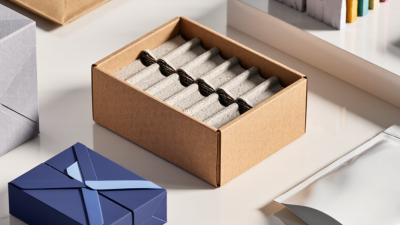
Sourcing bespoke boxes starts with how the product will travel, sit on a shelf, and reach the customer. Write down the item’s length, width, and height, then measure it at its widest points. Leave room for inserts or protective wrapping. A box that fits the product but crushes its corners is not a good fit. Small details matter.

Choose material based on weight, finish, and handling. Paperboard can suit lightweight retail items, while corrugated board offers more cushioning for heavier shipments. Ask suppliers for material samples and check how they fold, feel, and resist scuffing. In practice, a printed mock-up may look different from a screen preview. It is worth checking both the outside and inside surfaces before approving production.

Keep the design clear: provide artwork, colors, logo placement, and any required product information in a usable file format. Specify the box style and closure, too. Then estimate an initial order volume and likely repeat orders. Larger runs may lower the cost per box, but they also require storage space and tie up cash. I would not assume the biggest run is best. Request quotes at several quantities, and confirm setup fees, lead times, tolerances, and what happens if samples need revision. A first batch can reveal flaws you missed. That is useful, if slightly frustrating.

Identify and Compare Potential Packaging Suppliers

Identify suppliers that regularly produce bespoke boxes, not just standard cartons with a logo added. Ask for recent samples in your target board grade, print finish, and size. Check the folds, corners, glue lines, and how the box handles a filled product. Small flaws show quickly. Smithers’ report, The Future of Global Packaging to 2028, forecasts the global packaging market will reach about US$1.2 trillion by 2028. That broad forecast signals a competitive, changing market; it does not prove any supplier is right for your order.

Compare at least three written quotes using the same brief. Include box dimensions, board thickness, print colours, order quantity, tooling fees, delivery terms, and expected lead time. Ask suppliers to separate setup costs from unit prices. A low quote can hide extra charges. Request a sample made to your actual specifications, then test it with your product and shipping materials. Keep notes and photos, because memory is not a reliable quality-control system.

Check how each supplier handles revisions, damaged deliveries, and repeat orders. Ask for relevant quality or sourcing documentation, and verify its scope rather than accepting a certificate at face value. Sustainability claims need the same scrutiny: request material details and evidence for recycled-content or recyclability statements. I would not choose on price alone. Yet paying more without a measurable improvement is hard to justify, too. Compare the trade-offs in writing.

How to Source Bespoke Boxes Packaging for Your Business - Identify and Compare Potential Packaging Suppliers

Example comparison of anonymous supplier profiles. Lead times, minimum order quantities, sample charges, and capabilities are indicative planning figures—not current quotations. Confirm specifications, prices, certifications, and delivery terms directly with each supplier.

Comparison Criteria Supplier Profile A
Local Short-Run Specialist
Supplier Profile B
Mid-Volume Custom Converter
Supplier Profile C
Large-Volume Manufacturer
What to Verify
Typical order quantity About 100–500 boxes About 500–2,500 boxes About 2,500 boxes or more Whether the minimum applies per size, design, or production run.
Indicative production lead time Approximately 2–4 weeks Approximately 3–6 weeks Approximately 5–8 weeks Ask when the clock starts, and whether proof approval and shipping are included.
Common box styles Mailer boxes, folding cartons, short-run presentation boxes Mailer boxes, folding cartons, rigid gift boxes Corrugated shipping boxes, folding cartons, rigid boxes Request dielines and confirm the style suits the product and distribution method.
Customization options Printed exterior, basic inserts, limited finishes Custom dimensions, inserts, multiple print and finishing options Broad structural and print customization, subject to order volume Check whether artwork setup, tooling, dies, and special finishes incur extra charges.
Material choices Corrugated board and paperboard options Several paperboard and corrugated grades; some recycled-content options Wider range of board grades and material specifications Confirm board grade, thickness, recycled content, and suitability for product weight.
Sampling and proofing Digital proof; physical sample may be available for a fee Digital proof and pre-production sample commonly available Pre-production sample generally arranged before a larger run Approve a physical sample for fit, color, construction, and insert performance.
Indicative sample turnaround About 3–7 working days About 5–10 working days About 7–14 working days Ask whether sample time is separate from production lead time.
Quality checks to request Dimensions, print alignment, and assembly check Written tolerances, print inspection, and carton-count check Documented inspection plan and batch traceability, if required Agree acceptance criteria and how defects, shortages, or transit damage are handled.
Sustainability evidence Material specifications available on request Recycled-content details may be available for selected materials May provide material documentation and chain-of-custody evidence where applicable Request current, relevant documentation; do not rely on general environmental claims.
Best fit Small launches, seasonal runs, and testing a new box design Growing businesses needing a balance of customization and volume Established demand with repeat orders and larger production quantities Match capacity and minimums to your forecast to avoid excess stock or repeated setup costs.
Overall assessment Flexible for lower quantities Balanced option for many growing businesses Potentially efficient at higher volumes Compare total landed cost, not just the unit price.

Evaluate Samples, Pricing, Lead Times, and Supplier Capabilities

Request a physical sample before approving bespoke boxes. A digital mock-up can hide weak corners, loose inserts, or colors that shift under warm lighting. Check how the box opens and whether it protects the actual product. Small details matter. Ask whether the sample uses production materials or substitutes. If it differs, note every change before comparing suppliers.

Compare pricing at several quantities, not just the smallest run. Request a written breakdown for setup, printing, inserts, packing, and freight. A low unit price may exclude costs that appear later. It is easy to miss that. Ask how revisions affect charges, and whether the quote expires. Keep the specification consistent across suppliers so the comparison stays useful.

Confirm lead times for sampling, approval, production, and delivery separately. Ask what could delay each stage, such as material shortages or a full production schedule. Supplier capability matters too: check relevant equipment, quality checks, monthly capacity, and experience with your box structure. Ask for recent examples, but judge the details rather than the photographs. A polished sample is not proof of reliable repeat orders. One point worth reconsidering: rushing approval to meet a launch date can cost more time if the first production batch needs correction.

Confirm Specifications, Quality Standards, and Delivery Terms

Before requesting quotes, define what the box must protect and how customers will open it. Record the finished product’s length, width, and height, then allow space for inserts or cushioning. Specify board thickness, finish, printing areas, and closure style. Small details matter. A lid that looks neat on screen may feel loose after repeated handling.

Ask suppliers to produce a physical sample using the intended materials. Check whether corners stay firm, colors match the approved proof, and the box closes without pressure. Set measurable acceptance criteria, such as dimensional tolerances and limits for scuffs or print misalignment. Share photos of acceptable and unacceptable defects. I once assumed “premium finish” meant the same thing to everyone. It did not. Clear standards prevent that awkward argument later.

Put delivery terms in writing, including sample approval dates, production time, shipping method, and delivery address. Confirm whether the quoted schedule starts after artwork approval or deposit. Ask how cartons will be packed and labeled, and request notice if delays arise. Leave a small buffer before a product launch; estimates can slip. It may seem overly cautious, but a few days of margin can be cheaper than storing inventory in plain cartons while you wait.

Magento Catalog Menu Widget by EMThemes Magento Themes & Magento Templates