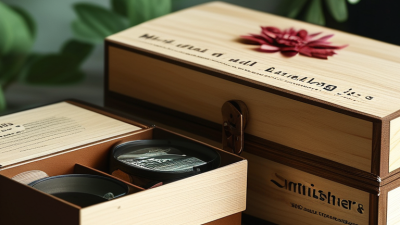
China Best Personalised Packaging Boxes for Global Buyers

Choosing the right personalised packaging boxes is no longer a simple branding decision. Global buyers expect protection, visual appeal, accurate production, and responsible material choices. A box must survive warehouse stacking, long-distance shipping, humidity changes, and repeated handling. It should also open neatly in the customer’s hands.

Philip Kotler, a leading marketing authority, wrote, “Packaging involves designing and producing the container or wrapper for a product.” His statement remains useful today. Packaging is not decoration alone. It communicates product value before the product is touched. For international brands, personalised packaging boxes can carry logos, color systems, product instructions, and culturally suitable messages across different markets.

Details matter. A rigid box may suit premium cosmetics, while corrugated mailer packaging can better protect subscription products. Recycled paper, soy-based inks, and water-based coatings may support sustainability goals, but they do not automatically make every package environmentally responsible. Material sourcing, factory processes, transport distance, and end-of-life options must be checked together.

Small errors become expensive.

Experienced buyers should request samples before approving mass production. Check the magnetic closure, print alignment, insert fit, corner strength, and surface finish. Ask for material documentation and realistic delivery estimates. Certifications can strengthen trust, but they should be verified rather than assumed.

There is no universal best box. A beautiful package can still be oversized, fragile, or difficult to recycle. That uncomfortable point deserves attention. The strongest global packaging choice balances brand identity, product safety, customer experience, budget, and measurable responsibility. This guide examines how leading suppliers develop personalised packaging boxes for international buyers, while recognizing that every product and market requires careful adjustment.
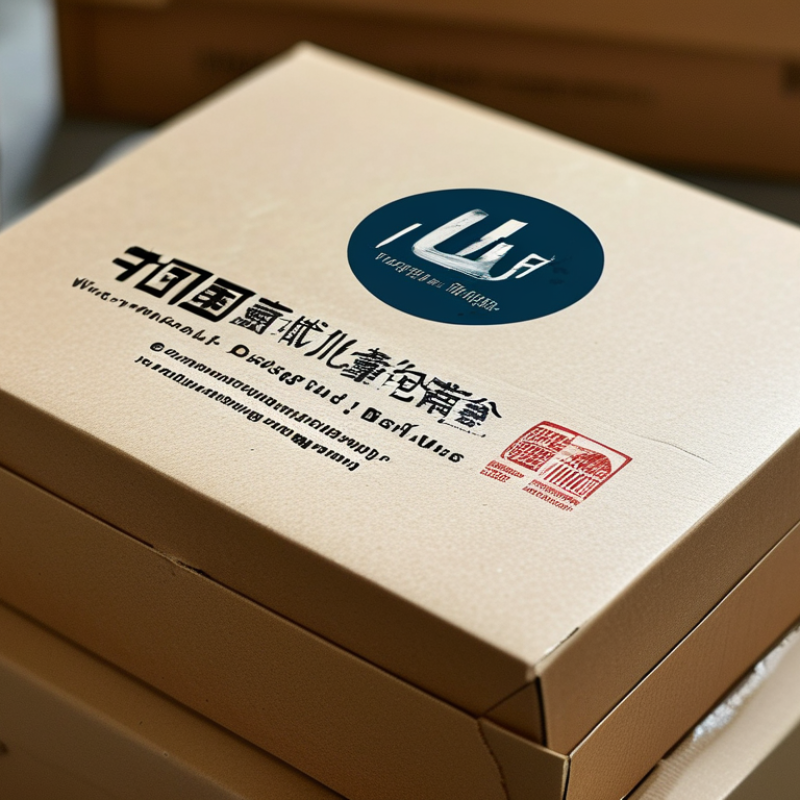
China Best Personalised Packaging Boxes for Global Buyers

What Are Personalised Packaging Boxes?

Personalised packaging boxes are cartons designed around a specific product, customer, or campaign.

They can include custom dimensions, printed artwork, variable names, messages, inserts, and QR codes. The box is not merely a container. It shapes the moment when a buyer opens a parcel.

For example, a skincare box may hold one glass jar tightly, with a molded insert and a short care card. A subscription box may print each customer’s name inside the lid. These details reduce movement and create a more personal experience.

McKinsey’s 2021 personalization research found that 71% of consumers expect personalized interactions. However, personalization should support the product, not distract from it.

Packaging data also shows strong market pressure. Smithers’ 2024 analysis estimates the global packaging market could grow from about 1.05 trillion US dollars in 2023 to 1.23 trillion by 2028.

For global buyers, Chinese packaging suppliers can offer flexible printing, short production runs, and export-ready carton structures. Yet custom printing may increase ink use, setup waste, and cost. More decoration is not always better.

A useful box should fit the product, survive transport, and remain easy to recycle. That balance is still imperfect.
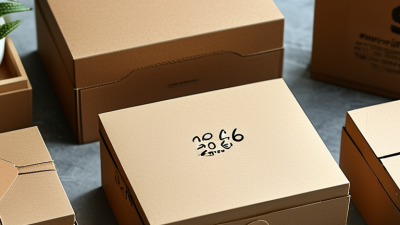
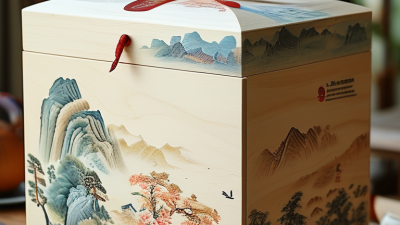
Key Materials and Customisation Options

China Best Personalised Packaging Boxes for Global Buyers

Key Materials and Customisation Options

Personalised packaging begins with the material, not the artwork. Rigid board gives premium boxes a firm, furniture-like feel. Corrugated board protects heavier products during long-distance shipping. Kraft paper offers a natural texture and supports a simpler visual style. Recycled paper can reduce material impact, but its surface may show small fibers or color variation. That is not always a defect.

For food-contact packaging, buyers should request suitable material declarations and migration testing. Water-based inks can support cleaner production choices, while coatings affect both appearance and recyclability. Matte lamination feels soft and reduces glare. Gloss finishes make colors look brighter. A weak coating, however, can scratch during transport. Packaging samples should face compression, moisture, and drop checks before bulk production.

Customisation can include box dimensions, drawer structures, magnetic closures, die-cut windows, embossing, foil details, and printed inserts. Small changes matter. A deeper insert can stop a product from moving inside the box. Rounded corners improve handling but may increase production cost. Color matching also needs care, because paper tone changes the final result. The first sample is rarely perfect. Buyers should compare it under daylight, inspect the folds, and confirm measurements before approval.

How to Choose a China Packaging Box Manufacturer

Choosing a China packaging box manufacturer starts with more than a low quotation. Ask for production photos, material specifications, and a clear sampling process. An experienced supplier should explain board grades, coating options, glue strength, and tolerance limits in plain language. Vague answers are a warning.

Request a physical sample before approving bulk production. Check the box on a real shelf. Fold it repeatedly, test the lid, and measure printed colors under normal light. I once trusted a beautiful prototype too quickly; the first production batch showed slight color variation. That mistake taught me to approve a signed sample, color reference, and packing method. Small details matter.

Audit the factory or use an independent inspection service. Review equipment, worker safety practices, quality records, and export experience. Confirm whether the manufacturer can handle your order volume without outsourcing key steps. Discuss carton dimensions, pallet stacking, moisture protection, and delivery terms early. A reliable partner gives written timelines and reports problems before shipment. Still, communication can fail across languages and time zones. Use simple specifications, drawings, and checklists. Ask for a pilot run when the design is complex. Compare the complete cost, including tooling, testing, freight, and possible rework—not only the unit price. Some buyers save money at quotation stage, then lose it through delays and weak packaging.

Production, Quality Control, and Packaging Standards

China Best Personalised Packaging Boxes for Global Buyers

Production, Quality Control, and Packaging Standards

Custom packaging begins with a precise dieline, not a decorative idea. Buyers should provide product dimensions, weight, filling method, and shipping conditions. A 2 mm error can affect closure, stacking, or inner protection. Production teams usually test paperboard thickness, folding strength, print alignment, and adhesive performance before mass manufacturing. Small details matter. A box may look attractive but still collapse during humid transport.

Quality control should occur at several stages. Inspectors check raw materials, color samples, cutting edges, window films, and finished dimensions. Random cartons can be measured with calipers and weighed against approved samples. Drop tests and compression tests reveal weaknesses that photographs often hide. Batch records also help trace defects to a machine, material lot, or production shift. Not every first sample is perfect. That delay can be frustrating, yet correcting it early costs less than replacing damaged goods overseas.

Packaging standards must match the destination market and the product’s risk profile. Buyers should confirm requirements for recycled content, inks, labeling, and restricted substances with qualified local advisors. Corrugated shipping cartons need suitable edge-crush strength and moisture resistance for long routes. Personalised boxes should also use clear packing marks, accurate quantities, and secure pallet wrapping. A practical inspection plan should define acceptable defects before production starts. Otherwise, quality decisions become subjective. Even experienced teams can overlook a weak corner when schedules become tight.

China Best Personalised Packaging Boxes for Global Buyers - Production, Quality Control, and Packaging Standards

Data Dimension Typical Production Data Quality-Control Checkpoints Global Packaging Considerations
Box Structure Folding cartons, rigid setup boxes, magnetic-closure boxes, drawer boxes, and corrugated mailer boxes. Confirm internal dimensions, panel alignment, crease accuracy, lid fit, and resistance to opening or collapse. Select the structure according to product weight, fragility, shipping method, and retail presentation requirements.
Common Board Materials Paperboard commonly ranges from approximately 250–450 gsm; rigid boxes often use greyboard around 1.2–2.5 mm thick. Check board thickness, basis weight, surface smoothness, moisture condition, warping, and edge quality. Material selection should consider recyclability, local waste regulations, product protection, and transport conditions.
Personalisation Options Custom dimensions, printed artwork, inserts, windows, ribbons, handles, foil accents, embossing, debossing, and spot coatings. Approve a signed artwork proof and production sample before mass production; verify text, barcode, color, and finishing position. Artwork should include required product information, recycling marks, language versions, and destination-market labeling.
Color Control Production is normally matched against an approved proof, physical color reference, or defined digital color specification. Inspect color consistency across sheets, batches, and finishing areas under standardized lighting conditions. Color appearance can vary by paper, coating, viewing light, and monitor settings; physical approval is recommended.
Sampling and Inspection A practical inspection plan may include incoming-material checks, first-article approval, in-process inspection, and final random inspection. Sampling can be based on ISO 2859-1 or an agreed buyer-specific inspection level and acceptance criteria. The inspection level, critical defects, major defects, minor defects, and acceptable quality limit should be agreed in writing.
Dimensional Tolerance A common commercial target is approximately ±1–2 mm for finished box dimensions, subject to structure, material, and order requirements. Measure length, width, height, squareness, insert position, and closure performance against approved specifications. Tighter tolerances may require higher tooling precision, additional inspection, and higher production cost.
Production Lead Time Typical mass-production lead time is approximately 15–35 calendar days after artwork, sample, and order details are approved. Confirm the production schedule, material readiness, sample approval date, inspection date, and dispatch date. The total supply timeline should also include sampling, tooling, export handling, sea or air transit, and destination customs clearance.
Minimum Order Quantity Custom orders commonly begin around 500–1,000 units, although the economical quantity depends on size, materials, printing, and finishing. Verify whether the quantity applies per design, size, color, or combined order and confirm overage or shortage policy. Lower quantities generally increase unit cost because setup, tooling, printing plates, and material waste are spread over fewer units.
Protective Inserts Paperboard, molded pulp, foam, corrugated, and die-cut inserts can be designed to hold products securely. Check fit, retention, surface abrasion, product contact points, odor, and ease of removal. Use materials compatible with the product and destination recycling requirements; avoid unnecessary mixed materials where possible.
Master Carton Packing Carton quantity is determined by box size, product weight, stacking method, and shipping route; dividers may be used to reduce movement. Check carton compression, sealing, gross weight, net weight, carton count, and internal movement during handling. Keep carton dimensions and weight within carrier, warehouse, pallet, and manual-handling limits.
Transport Testing Testing may include vibration, compression, and drop evaluation based on product fragility and distribution risks. Use an agreed test method such as ASTM D5276 or an applicable ISTA procedure when transport-risk validation is required. Testing should represent the final packed configuration, including inner packaging, master cartons, labels, and palletization.
Moisture and Storage Paper packaging should be stored clean, dry, flat, and protected from direct sunlight, condensation, and excessive humidity. Inspect for warping, soft edges, surface bubbles, delamination, mildew, and changes in fit after storage or transit. Use moisture-resistant outer protection or desiccant solutions when the route, season, or product requires additional control.
Palletization Cartons should be arranged in stable layers with edge protection, stretch film, and suitable strapping when necessary. Check pallet stability, overhang, carton orientation, wrapping tension, labels, and visible damage before dispatch. Pallet dimensions and materials should match destination warehouse, carrier, and import requirements.
Export Documentation Typical documents include commercial invoice, packing list, transport document, purchase information, and origin details when required. Cross-check product description, carton count, quantities, weights, dimensions, tariff classification, and consignee details. Import documentation and labeling requirements vary by destination country and should be confirmed before production and shipment.
Sustainability Indicators Recycled fiber content, recyclable paper components, water-based coatings, reduced plastic use, and right-sized packaging can be specified. Verify material declarations, recycled-content claims, coating composition, and separation of mixed packaging components. Environmental claims should be supported by documentation and aligned with the regulations of the target market.
Buyer Note: The figures shown are typical planning ranges rather than universal specifications. Final tolerances, inspection criteria, testing methods, materials, and delivery schedules should be confirmed in the approved quotation, technical specification, and purchase order.

Ordering, Shipping, and Importing Boxes for Global Buyers

China-made personalised packaging boxes can support global orders when specifications are precise. Define box size, board thickness, printing colours, logo position, inserts, and finishing before requesting quotations. Ask for a physical sample, not only digital artwork. A sample may look attractive yet fold poorly or leave fragile products exposed. Small details matter.

For shipping, confirm carton dimensions, gross weight, packing quantity, and pallet requirements. These figures affect freight costs and warehouse handling. Choose transport based on urgency, budget, and destination access. Your supplier should provide commercial invoices, packing lists, and transport documents accurately. Import duties, taxes, product classifications, and labelling rules vary by country. A qualified customs broker can check local requirements before dispatch. Do not assume the supplier knows every rule in your market. That assumption often creates delays.

Tips for smoother importing: approve a signed specification sheet before production. Check the sample under real packing conditions. Request photos of loaded cartons and shipping marks. Keep a small cost allowance for inspections or document corrections. Reconfirm the delivery address twice. It sounds basic. Buyers still miss it. Allowing extra time is wiser than planning around a perfect schedule.

Magento Catalog Menu Widget by EMThemes Magento Themes & Magento Templates