- About Us
- Privacy Policy
- Shipping and Returns
- Terms and Conditions
- Custom Quotation
- Sample Pack
- Contact Us
- Blogs
© 2025 Copyright. All rights reserved.

Candle packaging can seem like a small detail. It is not. A box protects a candle from scuffs, dust, and pressure during storage and delivery. It also creates a first impression before customers smell the fragrance or light the wick. Good candle boxes packaging helps keep jars steady, presents product information clearly, and supports a consistent brand image. A snug insert, clean folds, and a sturdy base can make a real difference. Small details matter.
The right design depends on the candle, its materials, and how it will be sold. A glass jar may need more cushioning than a pillar candle. A gift set may call for a window, divider, or simple sleeve. Material selection matters too: paperboard weight, finish, and inserts influence handling and the unpacking experience. These choices affect appearance, cost, and shipping performance, so testing a sample is wiser than trusting a screen mockup alone. When available, choose materials that suit shipping conditions and communicate disposal guidance accurately. It is easy to overemphasize decoration. Protection comes first. Still, attractive packaging can make a product feel thoughtful and easier to recognize on a crowded shelf. No box can fix a weak candle or vague labeling, and that point is sometimes overlooked. This guide explores why candle boxes matter, which features deserve attention, and how packaging can balance protection, presentation, and practical use. The best option is rarely the fanciest one. It is the one that fits the candle and its journey.
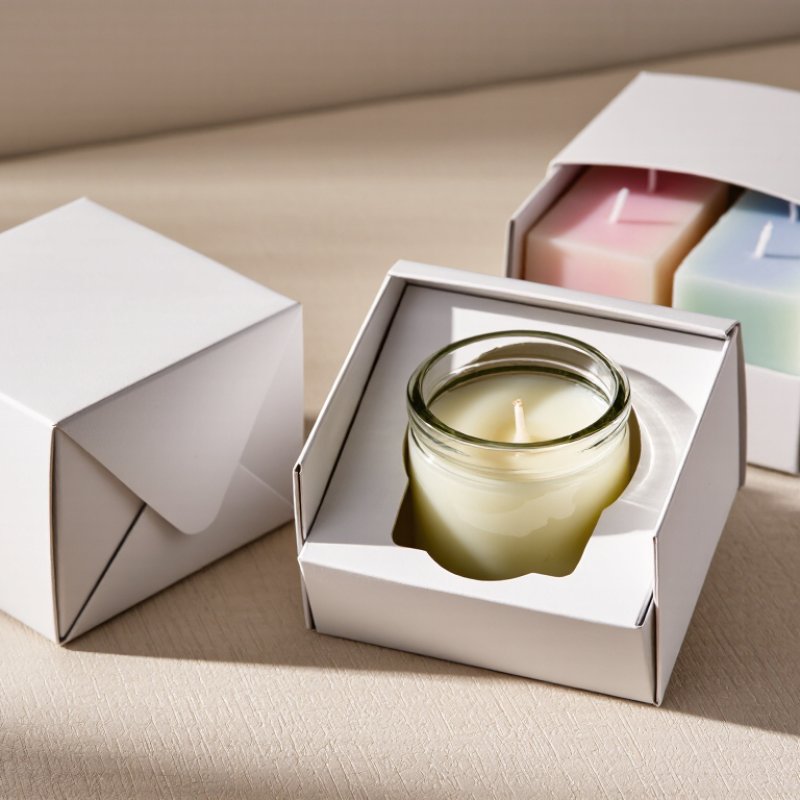
A candle box is a carton or rigid container sized to hold a candle securely. It creates a barrier between the product and dust, handling, and light scuffs. Depending on its design, it may also include an insert that keeps a glass jar from shifting. That matters when a package is moved across a counter or stacked in a delivery box. A loose candle can knock against its packaging, leaving marks or chipped edges.
The box can help protect delicate parts, too. A fitted base supports the jar, while a divider can separate multiple candles. For scented candles, a closed box may help limit exposure to dust and outside odors, though it cannot guarantee the fragrance stays unchanged. Cardboard also offers less protection from crushing than a rigid box. That trade-off is easy to overlook.
Tips: Match the box to the candle’s size and weight. Check that the jar does not slide when gently tilted. Use a clean insert, and avoid claiming the package prevents all damage. Even a well-fitted box can fail if handled roughly.
| Box Feature or Type | What It Is | What It Helps Protect | Why It Matters |
|---|---|---|---|
| Candle box | A carton or container designed to hold and package one or more candles. | The candle and, when included, its container or accessories. | It keeps the product together for storage, handling, display, and delivery. |
| Paperboard carton | A lightweight folding box commonly made from paperboard. | The candle from dust, light surface contact, and minor scuffs during routine handling. | Its printable surface can also display product details and handling information. |
| Corrugated box | A box made with a fluted paper layer between flat liner sheets. | Packaged candles from some impacts and compression during storage or shipping. | The fluted structure adds cushioning compared with a simple, flat sheet of paperboard. |
| Insert or divider | A fitted paperboard or corrugated piece placed inside the outer box. | Glass jars from shifting or knocking against other items; separates multiple candles. | A secure fit can reduce movement, though protection depends on the insert design and package fit. |
| Protective cushioning | Paper-based padding or another suitable cushioning material used around the product. | Fragile candle vessels from some shocks and vibration in transit. | It can help absorb movement when correctly sized and combined with an appropriate outer box. |
| Closed, well-fitted packaging | A box that holds the candle securely and stays closed during ordinary handling. | The candle from dust, accidental contact, and unnecessary movement. | A suitable fit helps keep the product presentable from packing through delivery. |
| Product information panel | A printed or attached area for details such as candle type, net weight, or use instructions. | It does not provide physical protection; it supports clear product identification and communication. | Legible information can help customers understand what the package contains and how to use the candle safely. |
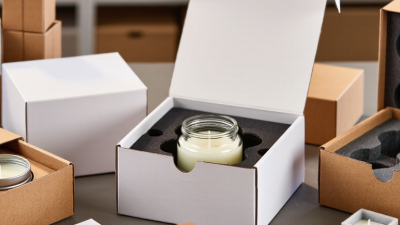
A candle box helps limit movement, which is a common cause of chipped glass, cracked jars, and scuffed labels. A close-fitting insert can hold each candle upright and keep it from striking the box walls. For heavier glass vessels, corrugated board or a molded-pulp cradle can spread impact across a wider area. Small gaps matter. Even a short slide inside a carton can leave a visible mark.
During storage, dividers help prevent candles from rubbing against one another or pressing on delicate lids. Keep cartons dry and stack them on a flat surface; damp board can lose strength, while uneven stacking may crush lower boxes.
In shipping, the outer carton should leave enough room for protective cushioning without allowing the candle to bounce around. A snug pack is useful, but too much pressure can also damage a lid or distort a softer wax surface.
There is no perfect box for every candle. Testing a packed sample with careful handling and drop checks can reveal weak spots, though real delivery conditions still vary. One corner may need more protection. That detail is easy to miss.
Why Are Candle Boxes Important for Packaging?
A candle can pick up dust, scratches, or dents before it reaches a shelf. A close-fitting box limits contact with other items and helps keep the wax surface clean. For glass jars, a sturdy outer carton and snug inserts can reduce rattling during transport. They cannot prevent every break.
Packaging also helps preserve appearance and scent. A closed box reduces exposure to light and airborne dust, while careful storage away from heat helps limit softening or fragrance changes. Cardboard offers some protection, but it is not temperature control. That distinction matters.
Safety information belongs where buyers can find it. Clear labels can explain safe burning practices, such as placing a candle on a stable, heat-resistant surface and keeping it away from drafts. A box can also protect the wick from bending or collecting debris. Still, packaging alone cannot make a candle safe; users must follow the instructions. I have seen even well-packed products arrive with scuffed corners, so the box should be tested for the actual candle’s weight and shipping conditions. It is a practical safeguard, not a guarantee.
Candle warning labels commonly communicate three core fire-safety messages. A well-designed box can help protect the candle during handling and provide space for these important warnings.
Each bar represents one core warning: burn within sight, keep away from things that can catch fire, and keep away from children. Based on the cautionary messages associated with ASTM F2058 candle fire-safety labeling. Packaging supports protection and communication; it does not replace safe candle use.
A candle box is often the first place shoppers look for clear product details. Use the space to identify the scent, wax type, candle size, and burn time when it has been tested. A readable label helps customers compare options without opening the package. Keep care instructions and relevant safety guidance easy to find. Small details matter. A scent name may sound appealing, but shoppers also need practical information before they choose.
Packaging also gives a candle a recognizable visual character. A consistent palette, type style, and illustration can suggest whether the product feels calm, rustic, or modern. Materials and finishes add another cue: an uncoated paper surface feels different from a glossy one. These choices should support the candle, not compete with it. I have seen attractive boxes lose usefulness when pale text disappears against a light background. Brand identity works best when visual appeal and legibility share the same space.
Tips: Check the text at actual box size, not only on a screen. Use strong contrast and clear type. Make scent and size easy to spot. Include recycling information that matches the packaging materials, and avoid claims you cannot verify.
A candle box protects glass jars from knocks, dust, and scuffed labels during storage and delivery. Its material also shapes what happens after unboxing. Uncoated paperboard is often easier to recycle than a box covered in plastic film or heavy foil. Recycled-content board can reduce demand for virgin fiber, though its suitability depends on the candle’s weight and the box’s design. A thin box that crushes easily may cause product damage and waste. Small details matter. A snug fit and simple paper insert can provide cushioning without adding mixed materials that are difficult to separate.
Coatings, adhesives, and decorative finishes deserve a closer look. A glossy surface may look polished, but plastic lamination can complicate paper recycling. Wax or oil stains can also affect recyclability, so keep the box clean and dry before sorting it. Remove any non-paper window or ribbon if local guidance asks for that. “Compostable” is not a universal disposal instruction; some materials need commercial composting facilities, which may not be available nearby. Not always. Packaging claims should match the actual material and local disposal options. It is tempting to choose the most sustainable-sounding label, but practical questions matter more: Can the box protect the candle, and can nearby services process it? A simpler design may be the more dependable choice, though it will not solve every packaging problem.
© 2025 Copyright. All rights reserved.

Magento Catalog Menu Widget by EMThemes Magento Themes & Magento Templates