- About Us
- Privacy Policy
- Shipping and Returns
- Terms and Conditions
- Custom Quotation
- Sample Pack
- Contact Us
- Blogs
© 2025 Copyright. All rights reserved.

In today's competitive market, understanding the right packaging boxes is crucial for businesses. "The right packaging can elevate a product's appeal and protect its integrity," says Dr. Alice Chen, a leading expert in packaging design. Her insight highlights the importance of selecting suitable materials and designs that resonate with consumers.
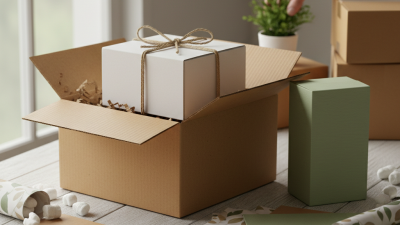
Packaging boxes go beyond mere function; they tell a story. The design, size, and structural integrity of these boxes can significantly affect customer perception. A well-designed packaging box enhances branding and can influence a buyer's decision. Companies often overlook the subtle details that make a difference, such as eco-friendly materials or innovative opening mechanisms.
However, navigating the myriad of options can be overwhelming. Mistakes in choosing packaging boxes could lead to increased costs or damage during transit. It is essential to reflect on both consumer preferences and product needs. Many brands fail to invest time in this critical area, which can result in missed opportunities. Understanding the nuances of packaging boxes is not just beneficial—it’s necessary for success.
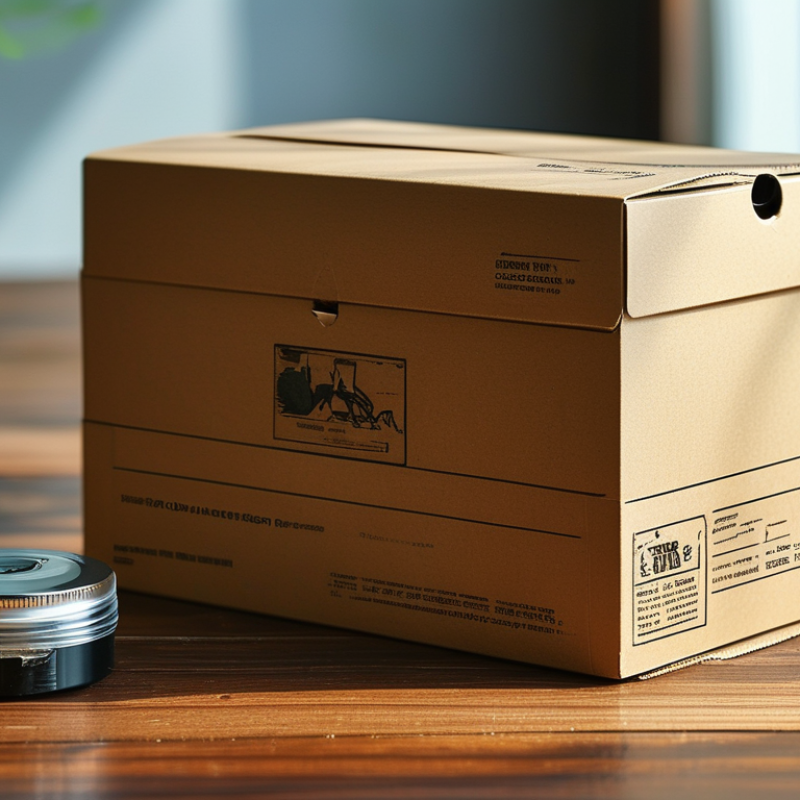
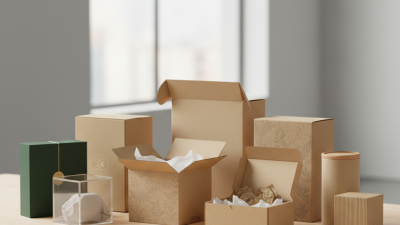
When it comes to packaging, understanding the various types is crucial. Each type serves unique needs based on the product it holds. For instance, corrugated boxes are strong and versatile. They are often used for shipping goods. Their layered design provides extra protection during transit.
Then there are rigid boxes, which are often used for luxury items. They feature a sturdy structure that offers a premium feel. These boxes can be customized in terms of color and design. Their appeal lies in their ability to enhance the product's presentation.
Different products also require different thermal packaging solutions. Insulated packaging keeps temperature-sensitive items secure. However, the environmental impact of packaging is also a concern. Many companies are now aiming for sustainable options. Reflecting on packaging choices can help buyers make better decisions.

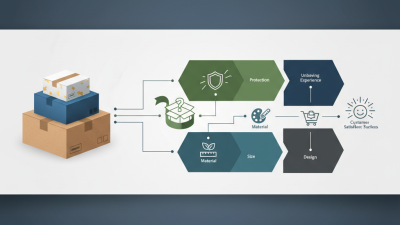
When choosing packaging boxes, buyers must consider several critical factors. Material plays a significant role in the overall performance of packaging. According to a report by Smithers Pira, packaging made from sustainable materials has increased by over 70% in demand. Choosing eco-friendly options can enhance a brand's image. This trend reflects a growing consumer preference for sustainability.
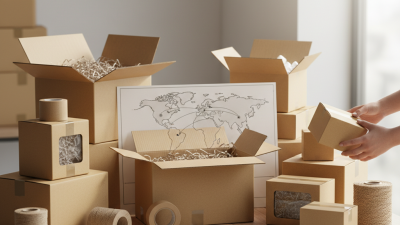
Size and dimensions are equally vital. Accurate measurements ensure products fit well and are protected during transit. Poorly sized boxes lead to damage and increased costs. A survey by Packaging Strategies indicated that 63% of companies faced losses due to improper packaging. The balance between aesthetics and functionality should always be prioritized.
Finally, customization options can set a product apart. Unique designs attract customers and strengthen brand identity. However, it’s important to balance custom features with production costs. The packaging industry is vast and evolving. A report by Grand View Research estimates the global packaging market will reach $1 trillion by 2028. Buyers should remain vigilant about trends and innovations to make informed choices.
This chart illustrates the key factors considered by buyers when selecting packaging boxes. The data represents the percentage importance of various factors, helping buyers make informed choices.
Eco-friendly packaging is becoming essential for consumers today. People are more aware of environmental issues. Sustainable choices resonate with eco-conscious buyers. Companies using green packaging can stand out. This demand pushes brands to innovate.
Tips: Look for biodegradable materials. Recycled content is a plus. Brands sourcing locally reduce transport emissions. Consider minimalistic designs to cut down waste. Packaging should protect the product but not be excessive.
Trends show a shift towards reusable packaging. This practice encourages a circular economy. Consumers appreciate refillable options. It reduces single-use waste, benefiting the planet. However, not all reusable packaging works for every product. This inconsistency requires careful consideration.
Brands that invest in eco-friendly alternatives often see higher customer loyalty. Yet, many struggle to find cost-effective solutions. Balancing sustainability with affordability remains a challenge. Therefore, continual evaluation of material sources is necessary for long-term success.
When budgeting for packaging needs, understanding costs is crucial. A recent study from the
Packaging Association indicates that packaging accounts for
20% of overall production costs. This percentage can vary greatly based on material and design choices.
For instance, opting for eco-friendly materials may slightly increase costs, yet they appeal to environmentally
conscious consumers.
Analyzing specific expenses is essential. Corrugated boxes generally cost between $0.50 and
$3.00 per unit, dependent on size and design. However, customized packaging can escalate costs
significantly, sometimes reaching up to $5.00 per unit. Budgeting for shipping is equally important.
According to logistics experts, packaging can contribute up to 30% of shipping costs. Thus,
careful consideration of weight and bulk is vital for balancing cost and efficiency.
In addition, companies often overlook hidden expenses.
Designing prototypes and testing them can add unexpected costs. Surveys suggest that nearly
40% of businesses do not factor in these expenses while planning budgets. It's critical to assess all
factors including sustainability. By paying attention to entire packaging
lifecycles, businesses can achieve cost efficiency while meeting consumer expectations.
In the evolving world of packaging, sustainability remains a crucial focus. Designers are increasingly shifting toward eco-friendly materials. This trend includes biodegradable plastics and recycled papers. Brands are not just seeking aesthetics; they want to minimize environmental impact. This shift is essential in meeting consumer preferences for greener products.
Innovative designs are also gaining traction. Minimalist packaging is becoming popular as consumers appreciate simplicity. Eye-catching templates and bold colors can draw attention in a crowded market. However, brands must balance creativity with functionality. Overly elaborate designs can lead to waste and higher costs. The goal is to create packaging that tells a story while being practical.
As technology advances, smart packaging emerges. Features like QR codes or embedded sensors offer interactive experiences. These elements can enhance customer engagement but raise questions about reliability. Are consumers comfortable with data collection? Brands must navigate this delicate area carefully. The future of packaging lies in creating solutions that align with consumer values while embracing innovation.
© 2025 Copyright. All rights reserved.

Magento Catalog Menu Widget by EMThemes Magento Themes & Magento Templates