How to Choose Candle Boxes Packaging for Your Brand?

Choosing candle boxes packaging is more than selecting a color and adding a logo. The box needs to fit the candle securely, protect its surface, and make the product easy to recognize on a shelf or in a delivery parcel. A loose insert can let a glass jar shift; an overly tight one can make unboxing frustrating. Small details matter. A sample box, tested with the actual candle, can reveal problems that a screen preview will miss.

Start with the candle’s weight, shape, and intended sales channel. A sturdy paperboard box may suit a lightweight tin, while a heavier glass vessel may need a stronger structure and a fitted insert. Consider print quality, finish, storage space, and how easily staff can pack each order. Ask suppliers for material specifications and physical samples, rather than relying only on attractive product images. Claims about recycled or recyclable content should also be checked against the supplier’s documentation and local collection options.

Good packaging balances protection, cost, and brand character. Not every premium detail earns its place. Foil accents may look elegant, but they can add expense without improving the customer’s experience. This is worth questioning. Before committing to a large order, compare prototypes, test a typical shipping journey, and gather feedback from people who handle the box. The best choice is not always the most elaborate one; it is the one that protects the candle and communicates clearly.
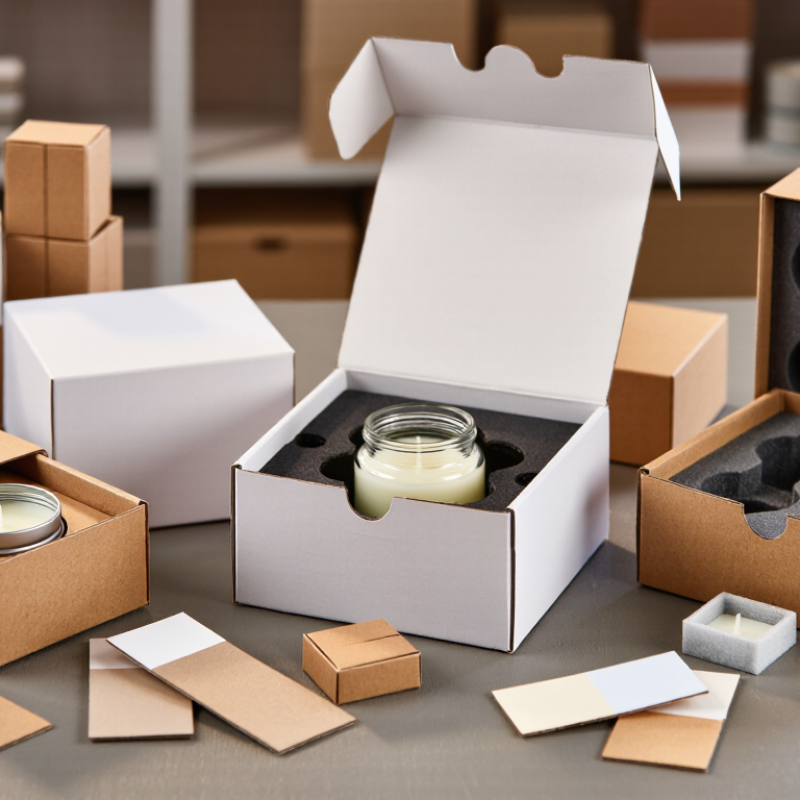
How to Choose Candle Boxes Packaging for Your Brand?

Understanding Your Brand’s Candle Packaging Needs

Your candle box should begin with your brand’s real packaging needs, not a trendy template. Consider candle size, jar shape, lid height, weight, and shipping distance. A glass jar needs firm internal support. Measure twice. Include space for tissue, inserts, or protective padding. This small step prevents crushed corners and loose products.

Material choice should match both customer expectations and daily handling. Recycled paperboard may suit a natural collection, while rigid board can create a more substantial unboxing experience. Ask packaging suppliers for material specifications, print samples, and coating details. Check whether the surface resists fingerprints, wax marks, and light moisture. Test the box with a filled candle, not an empty jar. Drop tests and short delivery trials reveal weaknesses that photographs hide.

Think about how customers will use the package after purchase. A box that opens smoothly, protects the vessel, and stores neatly can feel more valuable. Keep warning information and candle care guidance readable. I have found that beautiful packaging can still fail when the insert fits too tightly. The first sample may need revision. That is normal. Review assembly time, packing costs, shelf visibility, and waste before approving production. Your packaging should express the candle’s character while remaining practical, dependable, and easy to handle.
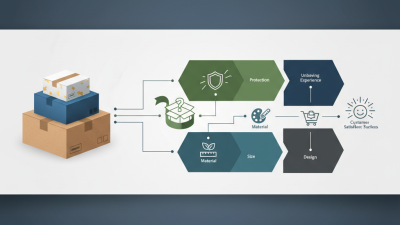
Choosing the Right Candle Box Materials and Structure

Choosing candle box materials starts with candle weight, heat, and handling conditions. A light tealight needs different protection than a heavy glass jar. For a 9-ounce candle, I usually consider rigid paperboard or strong corrugated stock. Paperboard gives clean printing and a smooth shelf feel. Corrugated layers handle pressure better during delivery. That trade-off matters. Material choice also affects moisture resistance, recycling claims, and production cost. Ask the converter for board specifications, not vague terms like “premium.” Check caliper, strength, coating, and recycled content with written documentation. Good packaging decisions need evidence.

Structure should hold the candle firmly without making removal frustrating. A fitted insert can stop a jar from sliding, while a shoulder box can create a refined opening experience. Leave clearance around the vessel, but avoid excess empty space. It wastes material and may increase movement. Test the closure with clean hands and gloves. Check whether the lid stays shut after repeated opening. Drop tests from practical shipping heights can reveal crushed corners, loose inserts, or cracked wax. A sample that works on a desk may fail in a delivery carton.

I once selected thinner board to reduce cost. It looked acceptable, but the corners softened after humid storage. That was a preventable mistake. Now I test prototypes in heat, cold, and damp conditions before approving production. Still, no test matches every warehouse. Ask for a small pilot run. Inspect print alignment, odor transfer, insert fit, and candle movement. The best structure is often the simplest one that survives real handling.

Matching Box Design with Candle Size and Product Protection

How to Choose Candle Boxes Packaging for Your Brand?

Matching the box to the candle size is the first protection decision. A loose package lets the jar move, especially during delivery. A tight package can press against the lid or damage delicate wax edges. Measure the candle’s height, diameter, lid, and total weight before choosing a box. Leave about 6 to 10 millimeters of internal clearance for protective inserts. Small candles may need paperboard cartons, while heavier glass jars often require stronger corrugated structures.

Protection should match real handling conditions. Use a fitted insert that holds the jar at its base and sides. Keep the lid from touching the inner box wall. Tissue paper may improve presentation, but it cannot replace cushioning. Drop testing can reveal weak corners, crushed inserts, or unwanted movement. Test the packed candle from several heights and directions. A box can look beautiful and still fail.

Design details also affect usability. A wide opening makes removal easier and reduces pressure on the candle surface. Smooth folds help prevent scratches on glass containers. Moisture-resistant coatings may help in humid storage areas, though they can affect recycling choices. Packaging decisions are rarely perfect. An insert that protects well may use more material than expected. Recheck the design after filling actual candles, not empty samples. Small size changes can alter the fit. The safest choice is a box that supports the product firmly without making unpacking frustrating.

How to Choose Candle Boxes Packaging for Your Brand?

Matching the box design with the candle size helps prevent movement, reduce impact damage, and create a more balanced presentation. The chart uses common candle formats and adds 5 mm of clearance on each side for protective packaging.

Recommended internal box dimensions are calculated from the reference candle dimensions: diameter or width + 10 mm, and height + 10 mm. Always confirm the final box size using the actual candle, lid, label, and protective insert.

Selecting Branding Elements, Finishes, and Custom Features

How to Choose Candle Boxes Packaging for Your Brand?

Branding begins with recognition, not decoration. Choose one clear logo position, two signature colors, and readable type. A small candle box should feel calm in the hand. Avoid crowded panels and tiny claims.

The 2023 Global Buying Green Report found that 82% of consumers consider sustainable packaging important. Use recycled paperboard when its strength suits the candle weight. Add a simple paper seal instead of unnecessary plastic film. Small choices matter.

Finishes should support the candle’s mood. Soft-touch coating can create a smooth, quiet surface, while embossing gives the lid a tactile detail. Metallic foil attracts attention, but it can complicate recycling. Test it before approving a large run.

A matte black box may look elegant under studio lights, yet it can show fingerprints in a shop. That detail is easy to miss.

Custom features should solve real problems. Use a fitted insert to stop glass movement during delivery. Add a die-cut window only when customers need to inspect color or vessel shape. A QR code can connect the box to care instructions without filling the front panel.

Industry packaging forecasts through 2028 identify recyclability, material efficiency, and improved consumer communication as continuing priorities.

Still, customization can become wasteful. A beautiful drawer box may impress once, then frustrate repeat buyers. Test opening, stacking, labeling, and disposal with real users before production.

Evaluating Sustainability, Cost, and Packaging Suppliers

How to Choose Candle Boxes Packaging for Your Brand?

Sustainable candle packaging should protect the product without creating unnecessary waste. Choose recycled paperboard, water-based inks, and recyclable inserts where possible. Ask suppliers for material certifications and clear recycling guidance. A thin box may reduce costs, but it can crease during shipping. That creates returns, replacements, and avoidable waste. A practical test includes drop checks, moisture exposure, and shelf handling. Sustainability is not only about the material. It also includes box size, shipping weight, and production efficiency.

Cost comparisons should cover the full purchasing cycle. Review unit pricing, setup fees, minimum order quantities, storage, and delivery charges. Request physical samples before approving a large order. Compare several suppliers using the same specifications. Check their quality controls, production timeline, communication speed, and replacement policy. A reliable supplier should explain material limits honestly. Be careful with promises that sound too perfect. In real projects, color differences and small size variations can happen. They should be documented and managed, not ignored.

Tips: Measure your candle carefully. Leave safe space for protection. Ask for a sample run. Confirm the material source. Test the printed surface. Keep one approved sample for future inspections. Recheck costs after shipping. Fancy finishes may look impressive, but they can weaken recyclability and increase lead times. Good packaging is a balance, not a contest for the most elaborate box.

Magento Catalog Menu Widget by EMThemes Magento Themes & Magento Templates