What Are Eco Packaging Boxes and Why Use Them?

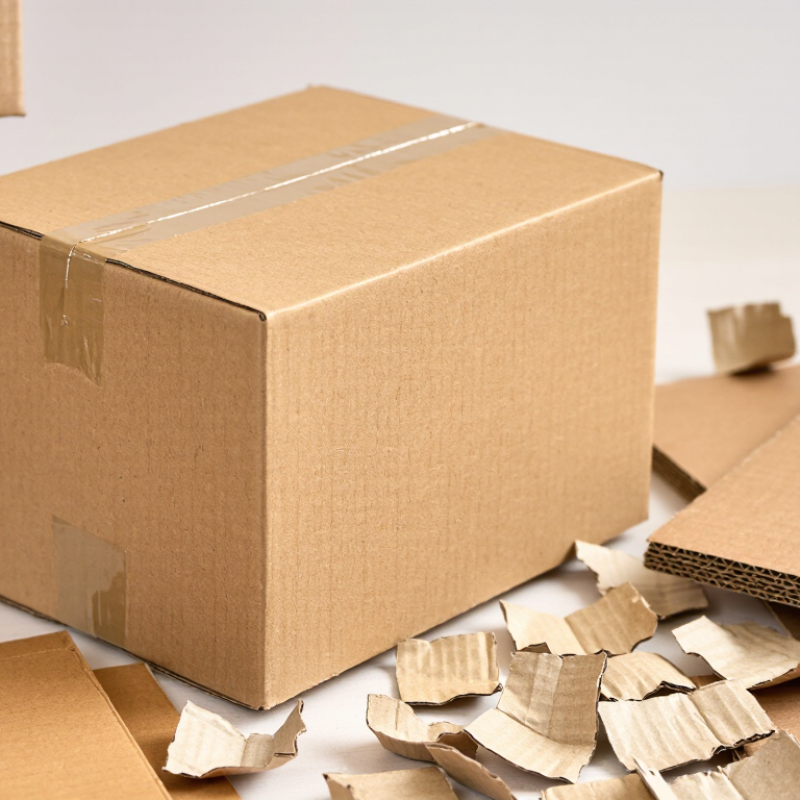
Eco packaging boxes are designed to protect products while reducing unnecessary environmental impact. They commonly use recycled paperboard, corrugated fibers, water-based inks, or responsibly sourced materials. A kraft mailer arriving with a visible recycled-fiber texture offers a simple example. Yet appearance alone proves little. A brown box may still contain excessive coatings, mixed materials, or difficult adhesives.

Ellen MacArthur, a leading circular economy authority, has stated: “Waste and pollution are not accidents, but the consequences of the decisions we make at the design stage.” Her observation applies directly to packaging. Designers decide whether a box can be reused, flattened, recycled, or separated easily. Those decisions affect factories, delivery networks, retailers, and households. They also influence material use, transport weight, and product protection. Strong eco packaging boxes should prevent damage, not merely advertise sustainability.

The better question is not, “Does this box look green?” It is, “What happens after use?” A reliable evaluation considers recycled content, fiber certification, box strength, production energy, printing methods, and local recycling access. Certifications and supplier data can support responsible claims, but they need careful checking. This is where many brands remain imperfect. Some reduce plastic but increase material volume. Others choose recyclable boxes that fail during shipping. Practical testing matters. A crushed corner can waste both packaging and product. Eco packaging boxes work best when environmental goals meet real logistics, honest labeling, and thoughtful design. No box is impact-free. That limitation deserves attention.
What Are Eco Packaging Boxes and Why Use Them?

What Are Eco Packaging Boxes?

Eco packaging boxes are shipping containers designed to reduce environmental harm across their entire life cycle. They may use recycled paper fibers, responsibly sourced virgin fibers, or agricultural residues. Their structure also matters. A lighter box needs fewer raw materials and creates less transport weight. A right-sized carton can prevent the empty space that often demands extra fillers.

The material alone does not make a box eco-friendly. The box should protect products with minimal layers, avoid unnecessary plastic coatings, and use inks that do not disrupt recycling.

186.5 kilograms of packaging waste per person in 2022
67.5% packaging recycling rate in the European Union

According to Eurostat, the European Union generated about 186.5 kilograms of packaging waste per person in 2022. Its packaging recycling rate reached approximately 67.5%. These figures show both progress and pressure. A recyclable box still fails when local collection systems cannot process it.

Real performance appears during use. A box should survive stacking, vibration, rain, and repeated handling without excessive reinforcement. Testing edge strength and moisture resistance can reduce damaged shipments and replacement packaging.

The U.S. Environmental Protection Agency has reported paper and paperboard packaging recycling rates above 80% in recent national datasets. That supports fiber-based packaging, but the result depends on clean design and proper disposal.

Some “green” boxes feel convincing yet contain hard-to-separate coatings. That weakness deserves honest attention.

Eco packaging is a practical balance, not a perfect label.
Which Materials Are Used to Make Eco Packaging Boxes?

Eco packaging boxes are designed to reduce material waste and environmental pressure. Their sustainability depends heavily on the materials used. Recycled paperboard and corrugated cardboard are common choices. They can contain post-consumer fibers from used cartons and newspapers. These fibers are formed into sturdy sheets, then cut and folded into boxes. Kraft paper is also popular because it is lightweight, printable, and usually recyclable.

Molded pulp offers another practical option. Manufacturers shape recycled paper fibers around products such as bottles, electronics, or delicate food items. The rough texture may look less polished, but it provides useful cushioning without plastic foam. Bamboo fiber and agricultural waste fibers can also enter packaging production. Their performance depends on fiber quality, processing methods, and responsible sourcing. Some boxes include plant-based coatings, yet these coatings may complicate recycling.

The term “eco” is not perfect. A box can use recycled content but still travel long distances or contain excessive ink. Water-based inks and minimal adhesives may improve its overall profile. Buyers should check recycled-content percentages, recyclability guidance, and recognized environmental certifications. Local recycling systems matter too. A recyclable box is not automatically recycled everywhere. That detail is easy to overlook. Physical testing remains important because a weak box can cause product damage and replacement waste. Balancing durability, material weight, and end-of-life options requires careful judgment, not attractive wording alone.

How Are Eco Packaging Boxes Made?

Eco packaging boxes are designed to protect products while reducing unnecessary environmental harm. Their value depends less on appearance and more on material choices, production methods, and disposal conditions. A box is not automatically sustainable because it uses green wording.

Manufacturers commonly begin with recycled paper fibers or responsibly sourced virgin pulp. The fibers are mixed with water, cleaned, and pressed into large sheets. Heat removes moisture, then rollers create the required thickness and surface texture. These sheets are cut, folded, and glued into boxes using water-based or low-impact adhesives. Simple construction helps.

During production, technicians check compression strength, moisture resistance, print quality, and dimensional accuracy. I have found that small design changes can prevent excessive material use. For example, a tighter fit may reduce void space and lower shipping volume. However, thinner cardboard can collapse under heavy products. That trade-off deserves testing, not assumptions.

Some boxes use plant-based coatings or water-based inks. These options can improve function, but they may complicate recycling when applied too heavily. Local recycling systems also differ, so disposal advice should be verified before printing. A reliable manufacturer should provide material specifications, testing records, and clear recycling guidance. Even then, results can vary between suppliers and production batches. Sustainable packaging is an ongoing engineering decision, not a perfect label.

What Benefits Do Eco Packaging Boxes Offer?

Eco packaging boxes offer practical benefits beyond a greener appearance. They often use recycled paper, responsibly sourced fiber, or plant-based materials. A lighter box can reduce shipping weight and handling effort. However, the exact savings depend on the box size, material thickness, and delivery distance.

Good design can also protect products with less material. A snug 30-centimeter box may need only a folded paper insert instead of plastic cushioning. This reduces empty space and can improve warehouse storage. Flat-packed boxes are especially useful because they occupy less room before use. Small details matter.

Eco packaging can support a clearer customer experience. Kraft paper, simple printing, and visible recycling instructions make disposal easier at home. Still, “eco” does not automatically mean environmentally harmless. A compostable coating may require industrial facilities, while wet products can weaken ordinary recycled board. That limitation needs honest labeling.

Reliable suppliers should provide recycled-content records, material specifications, and relevant certification details. Businesses should also test boxes with real products, vibration, stacking, and moisture exposure. A box that looks sustainable but arrives crushed creates waste, replacement costs, and customer frustration. My own evaluation would not stop at appearance; I would inspect the full use cycle. The better choice is not always the most expensive box, and not every green claim survives close examination.

What Are Eco Packaging Boxes and Why Use Them? — What Benefits Do Eco Packaging Boxes Offer?

Packaging Type Main Material Typical Eco Characteristics Key Benefits End-of-Life Options Important Considerations
Recycled Corrugated Box Recycled paper fibers with a fluted inner layer Widely recyclable; can be manufactured with high recycled-fiber content; lightweight relative to its protective strength Good cushioning, stackability, printability, and protection during shipping Paper recycling where accepted; remove excessive tape, plastic film, and food contamination Moisture can weaken the board; wax coatings and plastic laminates may reduce recyclability
Kraft Paperboard Box Paperboard made from wood fibers, recycled fibers, or a blend Paper-based, lightweight, and commonly recyclable when uncoated and clean Suitable for retail packaging, folding cartons, and small products; supports efficient storage and transport Paper recycling; composting may be possible only when local facilities and coatings permit it Paper sourcing and coatings should be verified; wet-strength additives can affect recovery
Molded Fiber Box Molded recycled paper pulp or plant-fiber pulp Renewable or recycled fiber option; often designed without expanded plastic foam Provides cushioning for fragile goods and can replace some plastic protective components Usually recyclable as paper if clean; some uncoated fiber products may be accepted for composting Performance varies with moisture, wall thickness, fiber source, and surface treatment
Paper-Based Mailer Box Corrugated fiberboard or reinforced paperboard Flat-pack design can reduce empty space and improve shipping efficiency Easy assembly, strong branding surface, and practical for direct-to-consumer delivery Recycle as paper after removing non-paper components and excess adhesive or tape Oversized designs or excessive void fill can increase material use and transport impacts
Reusable Corrugated Box Durable corrugated board with reinforced construction Designed for multiple uses before recycling; can reduce single-use packaging demand when returned or reused May lower packaging consumption in closed-loop delivery systems and internal logistics Recycle when the box is no longer serviceable Environmental benefits depend on repeated use, return rates, cleaning needs, and transport distance
Compostable Fiber Box Uncoated paper, molded fiber, or certified compostable fiber-based materials Designed to break down under specified composting conditions rather than persist as conventional plastic Can be useful where food-contact requirements or organic-waste collection systems support composting Commercial or home composting only when the product and local facility requirements match “Compostable” does not automatically mean recyclable or suitable for home composting; clear disposal guidance is essential
General selection guidance: Choose the lightest box that provides adequate protection, prioritize recycled or responsibly sourced fibers, avoid unnecessary coatings and mixed materials, and confirm disposal instructions with the local recycling or composting system.

How Can Businesses Choose and Use Them Effectively?

Eco packaging boxes use recycled, recyclable, reusable, or renewable materials. Choice should begin with product risk, not a green label. A fragile ceramic item needs tested cushioning. A dry booklet may need only a lightweight corrugated mailer. The OECD’s Global Plastics Outlook reports 353 million tonnes of plastic waste in 2019. Only 9% was recycled. This gap makes material reduction practical, not decorative.

Businesses can compare box weight, recycled content, recyclability, and transit performance. Request supplier evidence, including recycled-content declarations and compression test results. Use ISO 18601 principles to assess manufacturing, delivery, and disposal stages. The 2023 Global Buying Green Report found that 82% of surveyed consumers would pay more for sustainable packaging. That preference still has limits. A costly box that arrives damaged creates waste, returns, and distrust. Pilot two sizes, record damage rates, and measure packaging grams per shipment. Small trials expose weak assumptions.

Use clear disposal instructions near the opening flap. Avoid mixed layers when local recycling facilities cannot separate them. Ask local recyclers what they actually accept. We still make mistakes. A box marked recyclable may fail where collection systems are limited. Review customer complaints, warehouse handling, and seasonal moisture exposure quarterly. Then adjust dimensions, inserts, or material specifications. Sustainability needs evidence from real shipments, not attractive claims.

Magento Catalog Menu Widget by EMThemes Magento Themes & Magento Templates