What is eco packaging boxes and why are they important?

Eco packaging boxes are becoming more essential in today’s environmentally conscious market. According to a report from Smithers Pira, the global market for sustainable packaging is expected to reach $600 billion by 2024. This surge in demand is driven by consumer preference for eco-friendly solutions. As a result, businesses are realizing the impact of eco packaging boxes on their brand reputation and customer loyalty.

Expert in sustainable packaging, Dr. Emily Stone, emphasizes the importance of eco packaging boxes by stating, "Sustainable packaging is not just a trend; it's a responsibility." Companies that adopt eco-friendly packaging solutions see benefits beyond compliance. They can enhance their image and connect with consumers who care about the planet. Despite this awareness, not all companies embrace these changes. Some continue using traditional packaging materials, which can erode trust and customer interest.

Transitioning to eco packaging boxes is challenging. While the benefits are clear, the implementation requires effort and innovation. Brands must rethink their entire packaging strategy. In the long run, those who invest in eco packaging will likely thrive, while others risk falling behind.

What is eco packaging boxes and why are they important?

Definition of Eco Packaging Boxes and Their Key Features

What is eco packaging boxes and why are they important?

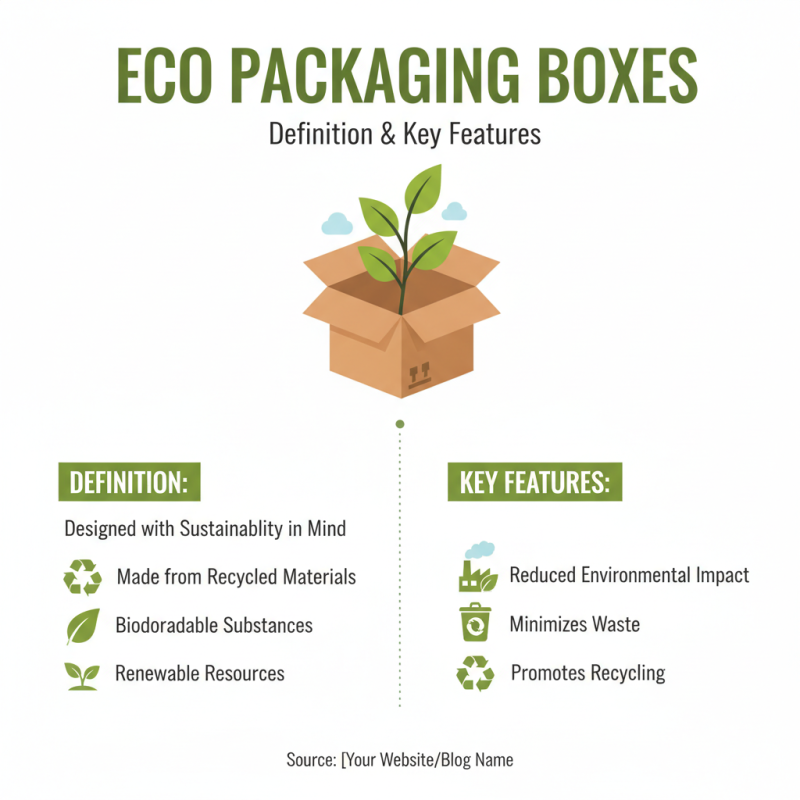
Eco packaging boxes are designed with sustainability in mind. These boxes are typically made from recycled materials, biodegradable substances, or renewable resources. Their production process aims to reduce environmental impacts. This approach helps minimize waste and promotes recycling.

Key features of eco packaging boxes include their adaptability and functionality. They can be customized in various shapes and sizes to meet specific product needs. The materials used are often sturdy, ensuring protection during transportation. However, not all eco-friendly materials are suitable for every type of product. Some may struggle with durability or moisture resistance.

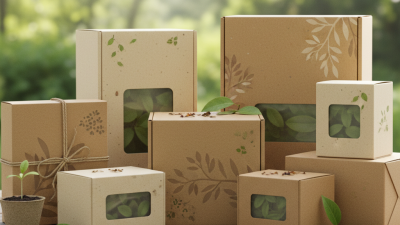
Moreover, aesthetic appeal plays a role. Many eco packaging boxes feature natural designs that attract customers. Yet, balancing aesthetics and sustainability can be challenging. Brands need to reflect on the trade-offs between appeal and ecological responsibility. Eco packaging is a step forward, but it's essential to question how effectively it meets both consumer demands and environmental goals.
The Environmental Impact of Traditional Packaging vs. Eco Packaging

Traditional packaging has a significant environmental impact. In 2021, the global packaging industry generated over 300 million tons of plastic waste. This waste often ends up in oceans and landfills, contributing to pollution and harming wildlife. Research shows that plastic takes hundreds of years to decompose, thus creating long-lasting environmental challenges.

Eco packaging provides a sustainable alternative. According to a 2022 report by The Freedonia Group, demand for sustainable packaging is expected to grow by 5% annually. Eco-friendly materials like bioplastics and recycled paper significantly reduce carbon emissions. They decompose faster and have a lower ecological footprint compared to traditional materials.

However, transitioning to eco packaging is not without challenges. Not all consumers are ready to embrace these changes. In fact, a 2023 survey revealed that about 40% of consumers are unaware of eco packaging benefits. This indicates a gap in education that needs addressing. Better awareness can drive demand for sustainable options, helping the planet more effectively.

Environmental Impact of Traditional Packaging vs. Eco Packaging

Benefits of Using Eco Packaging for Businesses and Consumers

Eco packaging boxes are becoming increasingly critical in today's market. Many consumers prefer brands that prioritize sustainability. According to a recent report by McKinsey, 66% of global consumers are willing to pay more for sustainable goods. This trend highlights the shift in consumer behavior towards eco-friendly options. Businesses have a unique opportunity here. By adopting eco packaging, they can attract a loyal customer base that values sustainability.

The benefits of eco packaging extend beyond consumer appeal. For businesses, using recyclable or biodegradable materials can lead to cost savings in the long run. Research from the World Economic Forum indicates that sustainable practices can reduce operational costs by up to 20%. However, some companies struggle to transition due to initial investment concerns. Finding the right balance between cost and sustainability can be challenging. It requires careful planning and adaptation.

For consumers, eco packaging reduces their environmental footprint. Sustainable packaging contributes to waste reduction and conserves resources. However, many consumers still find it difficult to identify truly eco-friendly products. Labels and certifications can be confusing. A lack of clear standards sometimes creates skepticism. Both businesses and consumers must navigate this evolving landscape together, prioritizing transparency and education to foster genuine sustainability.

Innovative Materials Used in Eco Packaging Solutions

Innovative materials play a crucial role in eco packaging solutions. The shift from traditional packaging to environmentally friendly options is significant. Many companies are exploring biodegradable plastics made from corn starch. These materials break down naturally, reducing landfill waste. Additionally, recycled paper products are gaining popularity. They are durable and can effectively protect items while being kind to the environment.

Emerging technologies have introduced mushroom-based packaging. This innovative option uses mycelium, the root structure of mushrooms, which grows around agricultural waste. It creates a sturdy, compostable packing material. This is a game-changer for food companies. Water-soluble packaging is another innovative idea worth mentioning. It dissolves in water and leaves no waste behind. These materials have the potential to reduce pollution.

Despite these advances, challenges remain. Some eco-friendly materials may still not meet all consumer expectations. Durability can sometimes fall short, impacting their functionality. It's essential for companies to educate consumers about these materials. Bridging the gap between eco-friendliness and efficiency remains a vital endeavor. Continuous innovation is needed to enhance the reliability of eco packaging. The future of packaging relies on such advancements for broader acceptance.

Future Trends in Eco Packaging and Sustainability Practices

Eco packaging is gaining attention in the sustainability sector. Companies are exploring innovative materials to reduce environmental impact. Current trends highlight the use of plant-based plastics and biodegradable materials. These options minimize waste and encourage a circular economy.

Moreover, brands are investing in research to improve recycling processes. Modern eco packaging aims for user-friendly designs that promote reuse. However, challenges remain in consumer education. Many individuals still struggle with properly recycling materials. Misunderstandings about packaging types lead to waste.

As companies shift towards sustainable practices, transparency becomes crucial. Consumers want to know the life cycle of packaging materials. This demand drives brands to provide clear information about sourcing and disposal. Engaging storytelling can enhance brand loyalty while promoting eco-conscious choices. Yet, the journey towards perfect sustainability is ongoing and requires constant reflection and adaptation.

What is eco packaging boxes and why are they important? - Future Trends in Eco Packaging and Sustainability Practices

Dimension Description Importance
Material Type Biodegradable, recyclable, or compostable materials. Reduces environmental footprint and encourages recycling.
Design Innovation Minimalist and functional designs that use less material. Enhances customer experience while minimizing waste.
Supply Chain Sustainability Sourcing materials from sustainable suppliers. Supports ethical practices and lowers carbon emissions.
Consumer Demand Increased preference for eco-friendly packaging. Drives market trends and offers competitive advantage.
Cost-Effectiveness Potential reduction in production and disposal costs. Users benefit economically while promoting sustainability.

Magento Catalog Menu Widget by EMThemes Magento Themes & Magento Templates