- About Us
- Privacy Policy
- Shipping and Returns
- Terms and Conditions
- Custom Quotation
- Sample Pack
- Contact Us
- Blogs
© 2025 Copyright. All rights reserved.

Choosing the right cake packaging boxes involves more than selecting an attractive color or ribbon. The box must protect delicate frosting, support the cake’s weight, and remain stable during short trips. A weak base can tilt a layered cake. A loose lid can damage buttercream roses. Small details matter.
Dr. Susan Selke, a packaging researcher and author, offers a practical reminder: “Packaging must protect the product before it decorates it.” That principle guides this article, “10 Tips for Choosing Cake Packaging Boxes.” We will examine material strength, box size, ventilation, closure design, presentation, and handling comfort. Food-safe surfaces also deserve careful attention. A beautiful box is not automatically a dependable box.
Think beyond the bakery counter. Will the customer carry it through rain? Can the box fit inside a delivery bag? Does the insert stop movement without pressing against the cake? These questions reveal weaknesses early. Some packaging decisions may still require compromise. A thicker board can improve protection but increase cost. A clear window can improve visibility but reduce privacy and recycling options. There is no perfect box for every cake.
This guide combines practical bakery experience with packaging fundamentals. It also encourages a second look at common assumptions. Bigger is not always better. Cheaper is not always efficient. The best choice keeps the cake secure, the customer confident, and the brand memorable.
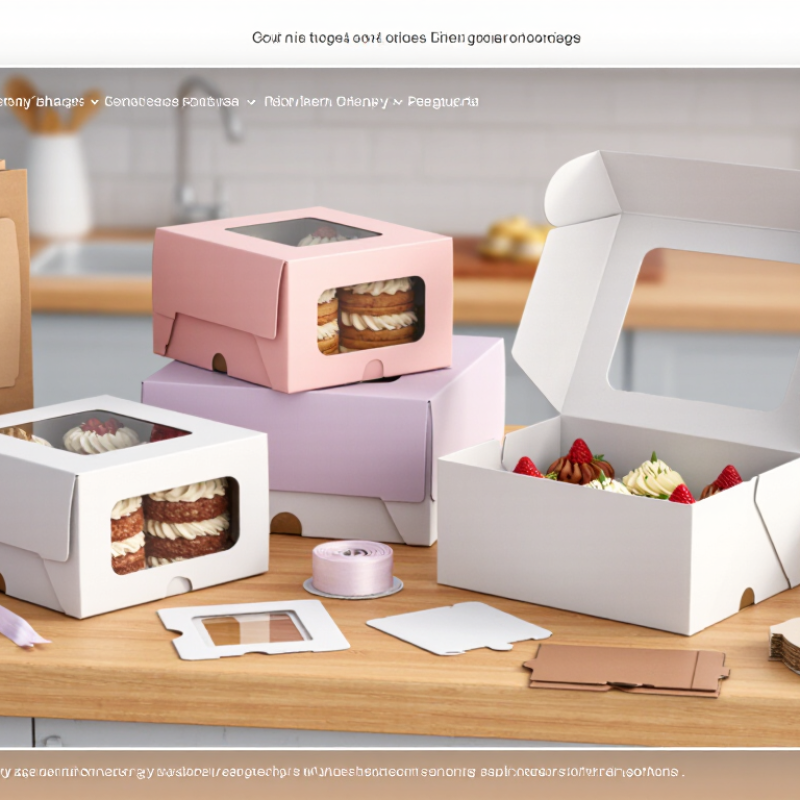
Cake packaging should begin with the cake itself, not the box shelf. Measure its length, width, and height after decoration. Include the cake board in every measurement. A small error can crush delicate icing.
Round cakes need circular clearance and stable side support. Square cakes require extra corner space. Tall cakes need enough headroom for piping, toppers, and protective inserts. For tiered cakes, measure each tier and check the complete height. Never estimate from photographs alone. Measurements are more reliable.
The cake’s weight also affects the box structure. A thin carton may suit a light sponge cake, but it can bend under a dense fruit cake. Choose a strong base with a non-slip surface. Add internal supports when the cake may slide during transport. A locking closure helps, especially when staff carry several boxes.
I once selected a box that fit perfectly but left no room for a ribboned topper. The lid touched the decoration. That mistake was avoidable. Leave practical clearance, but do not create a wide empty space. Excess space allows movement and increases damage risk. Test the packed cake with gentle lifting, turning, and short-distance carrying. Inspect corners, lid pressure, and base movement before regular use. Temperature and moisture can also change the cake’s stability, so packaging should match the recipe and delivery conditions.

Tip 1: Select food-grade paperboard or coated cardboard designed for direct food contact.
Tip 2: Ask for current material and safety documentation from the supplier.
Tip 3: Avoid boxes with strong chemical odors, loose fibers, or peeling coatings. Cake frosting can absorb unwanted smells quickly.
Tip 4: Check moisture resistance before packing cream cakes or fruit-filled desserts. A dry-looking box may soften after refrigeration.
Tip 5: Test the box with a real cake, not only an empty sample. Tip 6: Press the base gently and inspect the corners. They should remain firm during lifting.
Tip 7: Choose a locking structure that closes securely without crushing decorations. Tip 8: Make sure the box fits closely, leaving limited movement around the cake. Extra space can cause sliding and damaged icing. Tip 9: Check ventilation when condensation may form. Tip 10: Confirm the box can handle delivery, stacking, and short-term refrigeration.
In packing trials, I place a decorated cake inside, carry it across a room, and inspect it afterward. I also test the box after twenty minutes in a cool environment. This simple method reveals weak bases and poor closures.
I once trusted a thick-looking box that collapsed near one corner. Appearance was misleading. A better process combines supplier documents, practical testing, and honest review of each failure. Some packaging choices still need adjustment after real customer handling.
Choose a rigid base first. It should support the cake without bending during lifting. Select a snug box, but leave clearance around frosting and decorations. Add corner space for tall toppings. A secure locking design reduces sliding. Transparent windows help inspection, yet they can weaken the structure. Test the box with a finished cake, not an empty sample. No box solves every failure mode.
Ventilation needs careful judgment. Small vents can release moisture from warm sponge cakes. Excessive airflow may dry the surface or expose delicate icing. Use a moisture-resistant liner when condensation appears beneath the cake board.
USDA Economic Research Service estimated that 31% of the available food supply was lost or wasted in 2010. Better packaging cannot prevent every loss, but it can reduce crushing and spoilage during handling.
Temperature control remains critical for cream, custard, and fresh-fruit cakes. The FDA Food Code 2022 identifies 41°F (5°C) or below for cold holding of temperature-sensitive foods. A box should fit inside insulated transport equipment without compressing the cake.
Add a cold pack beside the package, never directly against the frosting. Avoid sealed warm cakes; trapped vapor can soften decorations. Test packed cakes under realistic delivery conditions.
ISTA 3A-style testing can include drops, vibration, and compression. Inspect the cake afterward. Minor flaws often reveal major design weaknesses.
Choosing cake packaging boxes means balancing design, branding, sustainability, and customer experience. Start with a rigid structure that protects frosting during short deliveries. Measure the cake, board, and clearance carefully. Too much space creates movement. Too little space damages decoration. Add a secure base, smooth edges, and a viewing window only when it does not weaken the box. Practical testing matters more than attractive sketches.
Branding should feel visible, not excessive. Use one clear logo, readable product information, and colors that match the bakery’s personality. A printed message inside the lid can make opening feel personal.
According to the 2024 PwC Voice of the Consumer Survey, shoppers said they would pay an average 9.7% more for sustainably produced goods. That supports responsible materials, but not vague environmental claims. Specify recycled content, fiber sources, or disposal instructions. Keep the wording honest.
Sustainability also affects customer experience. Choose recyclable paperboard where local systems accept it, and avoid unnecessary plastic inserts. Yet recyclable packaging is not automatically practical. Grease resistance, moisture, and food safety still matter.
The Sustainable Packaging Coalition stresses that package design should consider the full system, including material recovery and real-use conditions. Test boxes in a warm car, on a courier route, and in a refrigerator. I learned that a beautiful box can fail quickly. A slightly plain box may protect the cake better. Review customer comments, compression results, and opening behavior before final production.
Tip 1: Measure the cake, board, frosting height, and clearance.
Tip 2: Compare total cost, not unit price. Include inserts, delivery, storage, and damaged products.
Tip 3: Request quotes from at least three suppliers.
Tip 4: Check food-contact documentation and manufacturing quality.
The OECD’s Global Plastics Outlook reports that packaging represents about 40% of global plastic use. Material selection therefore deserves careful attention.
Tip 5: Compare paperboard thickness, recycled content, coatings, and recyclability.
Tip 6: Ask suppliers for production tolerances and lead times.
Tip 7: Test customization with a physical sample. Digital previews often hide weak locking tabs or inaccurate colors.
Tip 8: Inspect ventilation, grease resistance, and moisture performance. A beautiful box can fail quickly beside a cold display case.
Practical testing reveals more than a sales sheet. Tip 9: Place a finished cake inside, then simulate stacking, delivery vibration, and refrigerator storage. Record dents, sliding, condensation, and lid pressure. Tip 10: Review supplier consistency after three sample batches.
The International Safe Transit Association recommends performance testing that reflects real distribution conditions, although small bakeries may not need every laboratory procedure. Keep notes. I once underestimated lid clearance; cream decoration touched the carton and required rework. That mistake was avoidable. Also, “eco-friendly” claims need evidence, not assumptions. Ask for material specifications, recycling guidance, and relevant test reports before approving a large order.
© 2025 Copyright. All rights reserved.

Magento Catalog Menu Widget by EMThemes Magento Themes & Magento Templates