- About Us
- Privacy Policy
- Shipping and Returns
- Terms and Conditions
- Custom Quotation
- Sample Pack
- Contact Us
- Blogs
© 2025 Copyright. All rights reserved.

Choosing chocolate boxes packaging in 2026 requires more than attractive colors and premium finishes. The box must protect delicate chocolate from heat, moisture, crushing, and flavor contamination. It should also communicate quality before the customer opens it. A narrow sleeve, rigid gift box, or recyclable folding carton creates a different experience.
Industry reports show why this decision matters. Smithers’ The Future of Sustainable Packaging to 2028 identifies material reduction, recyclability, and responsible sourcing as major packaging priorities. Euromonitor International’s Voice of the Consumer: Sustainability Survey also indicates that shoppers increasingly examine environmental claims before purchasing. However, sustainability cannot excuse weak protection. A crushed praline box creates waste, refunds, and lost trust.
Protection comes first.
The right choice depends on product type, sales channel, budget, and brand position. For premium truffles, a rigid box with a secure insert may prevent movement during delivery. For everyday chocolate bars, a lightweight folding carton can reduce material and shipping costs. Recycled paper, soy-based inks, and water-based coatings may support a cleaner presentation, but suppliers should provide clear certification and material specifications. Vague “eco-friendly” claims need careful checking.
This guide will compare box structures, board grades, inserts, closures, printing methods, and sustainability options for 2026. It will also consider moisture barriers, stacking tests, food-contact safety, and e-commerce handling. There is no perfect box. A beautiful package may still waste space or fail under pressure. Practical testing, supplier samples, and honest cost reviews should shape the final decision.
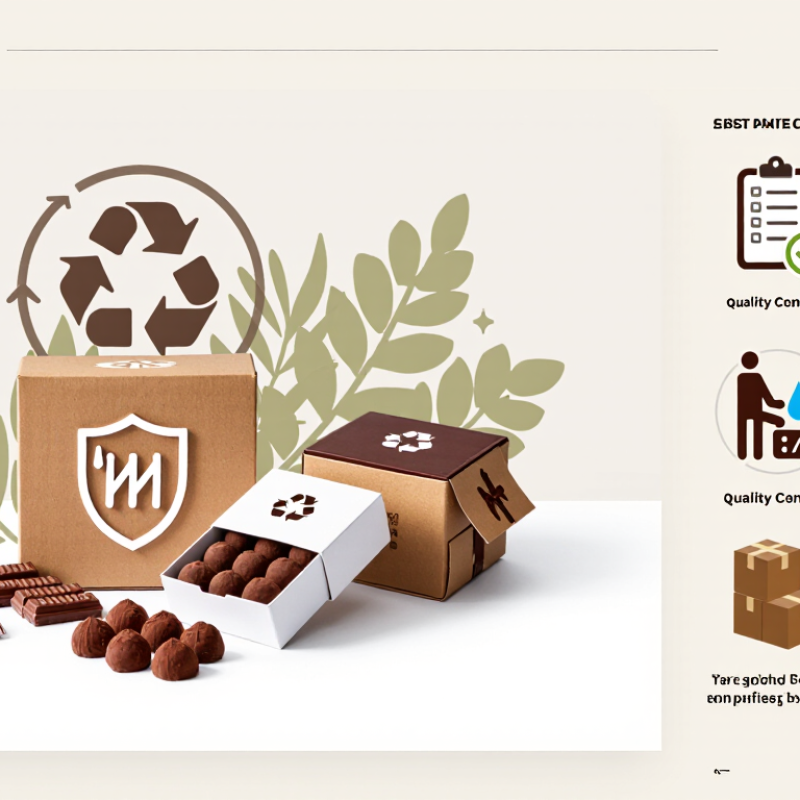
How to Choose Chocolate Packaging Boxes in 2026?
Define product requirements before selecting chocolate packaging boxes. Start with the chocolate’s size, shape, weight, and filling type. A soft truffle needs stronger internal support than a solid bar. Measure each piece carefully, including height and spacing. Small gaps can cause movement, scuffed surfaces, or broken corners during delivery. The box should protect chocolate from pressure, light, moisture, and sudden temperature changes. Food-contact safety also matters. Choose materials and coatings that suit the product and its storage conditions. Local packaging and recycling requirements should guide the material decision.
Think about the full customer experience. A drawer-style box may improve presentation, while a folding carton can reduce storage space. Inserts should hold each piece firmly without making removal difficult. Test opening the box with clean, dry hands. It sounds simple, but real handling often reveals problems. I have found that the first sample is rarely perfect. Sometimes the lid feels loose, or the insert wastes too much material. These details need honest review before production.
Tips: Create a product requirement sheet with dimensions, weight, temperature range, delivery distance, and target quantity. Request physical samples, not only digital drawings. Test stacking, vibration, humidity, and repeated opening. Check print clarity under warm and cool lighting. Leave room for batch information, ingredients, allergens, and recycling guidance. A beautiful box is not enough if it fails during transport or confuses the customer.
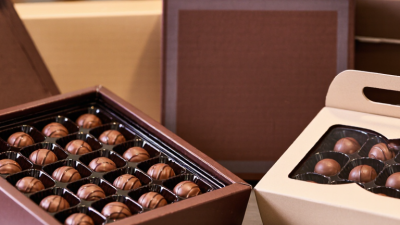
Compare Box Materials, Sustainability, and Food-Safety Standards
Chocolate packaging should protect flavor before it impresses the eye.
Paperboard boxes are lightweight, printable, and widely recyclable when free from difficult coatings. Recycled fiber can reduce virgin material use, but its strength may vary. A thin inner barrier often helps prevent grease, moisture, and aroma transfer. Foil, films, and plastic trays improve protection, yet they can complicate recycling.
Sustainability needs practical testing.
Ask suppliers for recycled-content details, fiber sources, coating information, and disposal guidance. Compostable packaging sounds attractive. However, it may require industrial composting that customers cannot access.
A recyclable box is not automatically recycled in every region. The full packaging system matters.
Food safety deserves documented evidence.
Request declarations for paper, inks, adhesives, coatings, and direct-contact liners. Check whether migration testing matches chocolate’s fat content and storage conditions.
A box stored near heat may soften, stain, or transfer unwanted odors. Test filled samples for several weeks, including transport vibration and temperature changes.
Small details matter.
A clean surface is not proof of safety.
Nor is a green symbol proof of sustainability. Suppliers should provide batch traceability and current compliance documents for the markets served.
I would also inspect the folded corners; tiny gaps can expose chocolate to dust or humidity.
The most attractive box may still need redesign.
How to Choose Chocolate Packaging Boxes in 2026?
Select the Right Box Structure for Protection and Presentation
Choosing a chocolate box starts with the product, not the artwork. A thin chocolate bar needs a snug sleeve or folding carton. Assorted pieces need compartments that prevent movement and surface damage. Truffles usually benefit from a rigid box with a fitted insert. Measure each piece, including wrappers and toppings. A box that feels elegant but allows sliding is poorly designed.
Protection depends on structure, board strength, and interior fit. Test the packed box with short drop checks, gentle compression, and temperature changes. Chocolate can soften, bloom, or lose its finish when insulation is ignored. A raised insert can keep delicate pieces away from the lid. Small details matter. Edges should close cleanly without crushing corners. In my packaging trials, an attractive prototype sometimes failed after repeated opening. It looked right. It was not ready.
Presentation should support handling, not fight it. Choose a lid style that opens smoothly and keeps pieces visible. Magnetic closures may feel premium, while tuck flaps can reduce material use. Check whether the box stacks securely during storage and transport. Consider paper texture, window placement, and print contrast before approving samples. Food-contact materials should be evaluated with qualified suppliers and appropriate documentation. Recyclability also deserves scrutiny; mixed materials can complicate disposal. A simple structure may perform better than a dramatic one, but testing can expose that assumption. Leave enough space for protective padding without making the package feel wasteful.
Choosing Chocolate Packaging Boxes in 2026 means planning branding, customization, and seasonal flexibility together. Smithers’ 2024 market outlook projects the sustainable packaging market to exceed US$385 billion by 2028. This growth makes material choices part of brand credibility, not only decoration. Use certified paperboard, low-ink artwork, and recyclable closures where product protection allows. A chocolate box should feel firm, open cleanly, and resist cocoa butter stains.
Branding should remain recognizable in a small thumbnail. Keep one dominant color, a clear logo area, and readable product information. Add texture through embossing or a restrained foil detail. Avoid excessive finishes. They may look premium, but they complicate recycling and increase production costs. McKinsey’s 2023 global packaging research also identified recyclability and food safety as major consumer priorities. A beautiful box can still fail if the inner tray moves during delivery.
Tips: Build a modular design. Use one structural box with replaceable sleeves, stickers, or greeting cards for holidays. Test the same dieline for winter gifting, spring celebrations, and limited seasonal assortments. Keep seasonal elements removable. This reduces obsolete inventory and supports faster reordering. Include a QR code only when it serves a clear purpose, such as allergen details or origin information. Test it under low light and on curved surfaces. Small failures matter. An imperfect prototype often reveals more than a polished sample. Before approval, conduct drop tests, temperature checks, and shelf-display reviews with real chocolate sizes.
Choosing chocolate packaging boxes in 2026 requires more than comparing unit prices. Supplier reliability matters when cocoa costs, energy prices, and freight schedules change quickly. Request three recent customer references and a documented lead-time history. Check whether the supplier can provide food-contact declarations, batch traceability, and backup production capacity. The Smithers report, The Future of Sustainable Packaging to 2028, identifies recyclability and material reduction as major purchasing drivers. However, a recyclable box is not automatically suitable for chocolate.
Testing should copy real conditions. Place filled boxes in warm storage, then move them through vibration and compression tests. Check grease resistance, odor transfer, color migration, and closure strength. A beautiful sample can fail after six hours in a delivery van. Ask for test methods, sample conditioning, and acceptance limits. The International Safe Transit Association recommends structured distribution testing because transport damage often appears outside laboratory conditions. Cost comparisons must include tooling, setup waste, inspection, storage, and expedited freight. One early mistake is trusting the lowest quotation. It can hide weak tolerances and expensive rework.
Tips: Build a simple supplier scorecard. Give quality 30%, delivery 25%, testing 20%, cost 15%, and sustainability 10%. Keep two approved suppliers for critical box sizes. Review the scorecard quarterly. McKinsey’s 2023 packaging research found that 60–70% of consumers may pay more for sustainable packaging, depending on the category. That finding is useful, but imperfect. Consumer preference does not replace barrier testing or dependable supply.
© 2025 Copyright. All rights reserved.

Magento Catalog Menu Widget by EMThemes Magento Themes & Magento Templates