- About Us
- Privacy Policy
- Shipping and Returns
- Terms and Conditions
- Custom Quotation
- Sample Pack
- Contact Us
- Blogs
© 2025 Copyright. All rights reserved.

In the evolving landscape of cosmetic boxes packaging, 2026 promises exciting innovations tailored to global buyers. According to recent industry reports, the cosmetic packaging market is projected to reach USD 40 billion by 2025, growing at a CAGR of 4.5%. This rapid expansion highlights the crucial role packaging plays in consumer choices. More than just aesthetics, consumers increasingly demand sustainable and functional designs.
Eco-friendly materials are a key trend in cosmetic boxes packaging. Brands are shifting toward biodegradable and recycled materials in response to consumer preferences for sustainability. Interestingly, a survey indicated that 70% of consumers are willing to pay more for eco-friendly packaging. However, balancing sustainability with design remains a challenge for many brands.
Moreover, personalization is becoming essential. Custom packaging enhances the unboxing experience, making it memorable. Yet, maintaining cost-effectiveness while offering personalization can be complex. As the industry evolves, brands must reflect on these challenges and adapt to consumer expectations for both sustainability and uniqueness in their cosmetic boxes packaging.
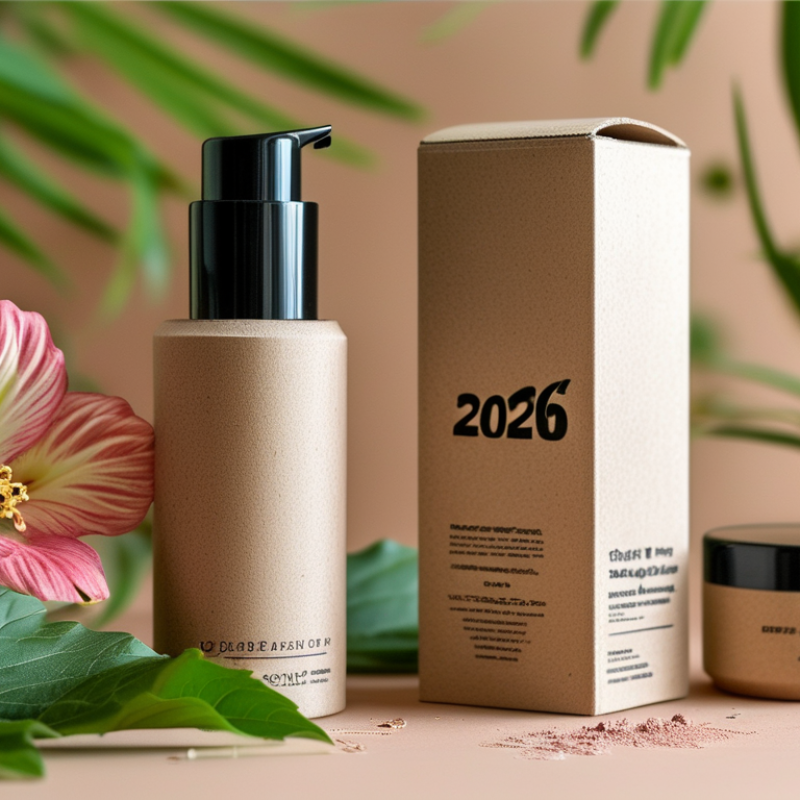
In the evolving landscape of cosmetic packaging,
sustainability emerges as a crucial factor for global buyers.
The trend is shifting towards environmentally friendly materials.
Biodegradable plastics, recycled paper, and glass
are gaining traction. These materials offer not only a reduced carbon footprint
but also enhance brand image in the eyes of eco-conscious consumers.
However, challenges remain in sourcing and production.
The cost of sustainable materials can be higher. Brands may hesitate when faced with
budget constraints. There's also the risk that the may be compromised.
Innovative designs must balance beauty and eco-friendliness.
Striking this equilibrium proves to be a delicate endeavor.
Manufacturers are exploring alternatives like mushroom-based packaging
and plant fibers. These options highlight creativity while addressing sustainability.
The industry must continue to research and innovate. This commitment is key for long-term success.
By prioritizing sustainable choices, the cosmetic sector can meet consumer demands while contributing positively to the planet.
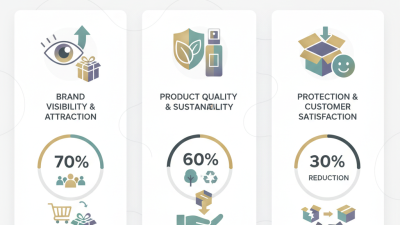
The cosmetic packaging landscape is evolving rapidly. In 2026, innovative designs will dominate the market. Eco-friendly materials are becoming essential. Brands are exploring biodegradable options. Sustainable packaging not only appeals to eco-conscious consumers but also enhances brand image. This shift reflects a deep understanding of today's environmental challenges.
Minimalist designs are gaining traction, emphasizing simplicity and elegance. Clean lines and subdued colors create an inviting look. However, some may question whether minimalism can convey luxury. Finding the balance between simplicity and sophistication requires a thoughtful approach. Personalized packaging is also on the rise, reflecting individual consumer preferences. It adds a unique touch, but it can be challenging to implement efficiently.
Incorporating technology into packaging is another trend. Smart packaging with QR codes or NFC technology provides interactive experiences. This connects consumers directly to brands. However, reliance on technology may alienate certain demographics. As brands adopt these trends, they face crucial decisions about their impact on production and user experience. Striking a balance is key for future success.
Smart packaging technologies are evolving rapidly in the cosmetics industry. These innovations enhance functionality and engage consumers effectively. According to a recent report from Smithers Pira, the global smart packaging market is projected to reach $30 billion by 2026. This trend reflects the increasing demand for intelligent features in cosmetic packaging.
One significant advancement is the integration of NFC (Near Field Communication) technology. This feature allows consumers to interact with products using their smartphones. By tapping their devices on the packaging, users can access information about ingredients, usage, and even promotional offers. Research indicates that 72% of consumers prefer products with more interactive packaging options. This data suggests a shift toward more informative and engaging experiences in the cosmetics sector.
Another notable trend is the use of QR codes, which serve as a bridge between physical and digital experiences. These codes can provide detailed product histories, sustainability practices, and more. While these advancements are promising, challenges exist. Security concerns and technology adoption rates may hinder their widespread success. Companies must carefully consider how to implement these solutions while addressing potential consumer skepticism and privacy issues.
The cosmetic packaging landscape is evolving rapidly, with customization and personalization leading the charge. Buyers now seek packaging that reflects their unique identities and values. Eco-friendly materials combined with distinct designs are at the forefront of this movement. Brands are investing in options that allow consumers to choose colors, textures, and styles that resonate with them, making each box feel like a personal statement.
Personalized packaging can enhance customer loyalty. Consumers are more likely to engage with brands that offer tailored experiences. In 2026, we may see even more advanced technologies used in customization. For instance, augmented reality could allow buyers to visualize their designs before purchase. However, some brands struggle with balancing personalization and production efficiency. This requires thoughtful consideration and innovation to maintain quality while meeting diverse consumer demands.
Despite the growing trend, not all personalized options truly resonate with consumers. Some offerings may feel gimmicky or superficial. Brands must focus on genuine connections rather than simply following trends. Authenticity in packaging can set a brand apart in a saturated market. This approach encourages deeper engagement and fosters lasting relationships with customers.
| Trend | Description | Impact on Buyers | Market Segment |
|---|---|---|---|
| Sustainable Materials | Rise of eco-friendly packaging options made from recyclable or biodegradable materials. | Appeals to environmentally conscious consumers, enhancing brand loyalty. | Mid to High-End Cosmetics |
| Smart Packaging | Integration of technology such as QR codes or NFC to provide interactivity. | Enhances consumer engagement and provides product information. | All Segments |
| Customization | Personalized packaging options that allow consumers to design their boxes. | Increases emotional connection with the brand, driving sales. | Luxury and Gift Segments |
| Minimalist Design | Focus on clean lines and simplicity in packaging to convey elegance. | Attracts consumers looking for sophistication and class in beauty products. | All Segments |
| Interactive Elements | Incorporating elements such as textures and scents into packaging. | Enhances the unboxing experience, attracting attention on social media. | Social Media Influenced Products |
Regulatory considerations shape cosmetic packaging trends significantly. In recent years, 45% of packaging companies reported increased scrutiny on materials and labeling requirements. Safe and compliant materials are crucial. Regulatory bodies enforce adherence to standards, impacting packaging designs worldwide. Non-compliance can lead to hefty fines and market entry barriers.
Sustainability remains a key concern for global buyers. According to a 2022 report, 64% of consumers prefer eco-friendly packaging. Regulations regarding sustainability influence production processes. Brands must focus on recyclable materials while adhering to local and international guidelines. Meeting these regulations often requires innovation in design and material sourcing.
Additionally, transparency in ingredient disclosure has become vital. Regulatory bodies are pushing for clearer labeling. This shift promotes consumer trust and protects brands from backlash. Companies struggle to balance creativity with compliance. It is a complex challenge that requires constant vigilance and adaptation to evolving regulations.
© 2025 Copyright. All rights reserved.

Magento Catalog Menu Widget by EMThemes Magento Themes & Magento Templates