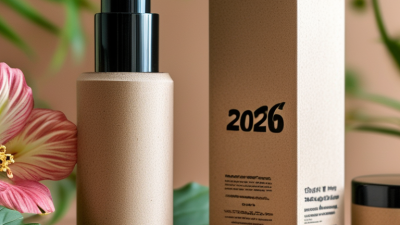
2026 Top Cosmetic Boxes Packaging Trends for Global Buyers
The global beauty market is entering 2026 with sharper expectations for cosmetic boxes packaging. Buyers now want more than attractive printing. They need reliable protection, clear product information, efficient shipping, and measurable environmental progress. A box must survive humid warehouses, long-distance transport, and repeated handling. It should still open cleanly at the customer’s door.
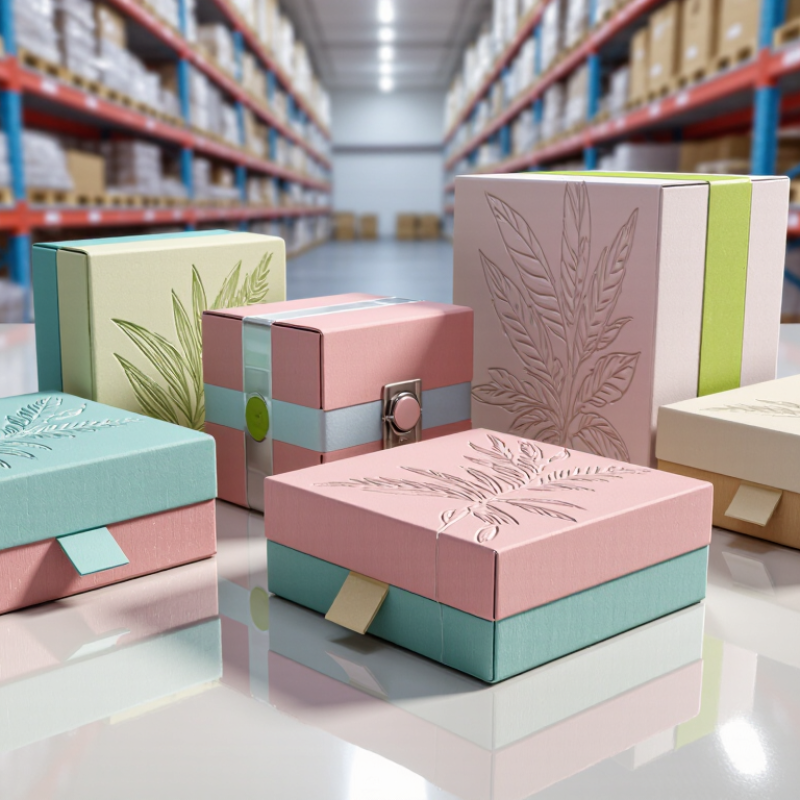
Evelio Mattos, a packaging strategist and author of Packaging Design Unwrapped, describes packaging as “the silent salesperson on the shelf.” That idea remains powerful. In cosmetics, the box communicates texture, quality, brand personality, and trust before the product is touched. Soft-touch coatings may suggest luxury. Embossed botanical lines can support a natural positioning. Yet decoration without purpose increases cost and may complicate recycling.
The leading 2026 trends will likely include fiber-based structures, right-sized cartons, water-based inks, tamper-evident details, and packaging designed for digital product verification. Global buyers are also examining supplier consistency. They ask about board strength, color tolerance, batch testing, and responsible material sourcing. Small details matter.
But the industry still has gaps.
“Eco-friendly” is not always simple. A recyclable carton may contain unnecessary layers, excessive inserts, or difficult adhesives. A premium finish can look impressive but perform poorly in humid climates. Buyers should test samples under realistic conditions before approving large orders. This guide examines the strongest cosmetic boxes packaging trends for international purchasing teams, while questioning which innovations create genuine value and which merely follow fashion.
What Cosmetic Box Packaging Means in the 2026 Global Market
In the 2026 global market, cosmetic box packaging means more than attractive presentation. It communicates quality, responsibility, and operational readiness before the product is opened. Buyers examine board thickness, folding accuracy, surface finish, and protection during shipping. A box that arrives crushed weakens trust immediately. Small details matter.
From packaging evaluations, I have seen buyers prefer structures that balance appearance with efficient transport. Lightweight folding cartons can reduce storage pressure and shipping volume. Recycled paper, water-based coatings, and soy-based inks also support clearer environmental communication. However, sustainable materials are not automatically better. Some recycled boards crease easily or show uneven color. That weakness needs honest testing.
Global buyers increasingly expect packaging to support different retail environments and customer habits. Clear product information, readable type, multilingual panels, and practical opening methods can improve usability. Tactile finishes may create a premium feeling, but excessive decoration can complicate recycling and raise production costs. A magnetic closure looks impressive. It may also add unnecessary material.
Reliable suppliers should provide prototypes, material specifications, color references, and transport tests before mass production. They should explain what the box can realistically achieve, not only show polished samples. Packaging decisions still involve compromise. The strongest cosmetic box is not always the most luxurious one; it is the one that protects the product, fits market expectations, and remains credible from factory to customer.
Key Design and Material Trends Shaping Cosmetic Boxes
Cosmetic box design in 2026 is moving toward quiet structure, tactile surfaces, and easier recycling. Global buyers increasingly request mono-material paperboard, clear fiber information, and packaging that survives humid warehouses. A rigid box may feel premium, but laminated layers can complicate recovery. That trade-off deserves early testing. Designers now use debossed patterns, water-based soft-touch coatings, and precise color blocks. Small details matter. A crisp opening flap can communicate quality before the product appears.
Material selection now connects appearance with measurable performance. Recycled fiber can reduce virgin material demand, yet its surface may show flecks or absorb ink unevenly. That is not always a defect. It can signal a more honest texture. Buyers should request samples at the intended board thickness. Check crease strength, edge cracking, color shift, and odor after production. A box that photographs well may still fail during pallet transport. Drop tests and compression tests reveal the difference.
Global sourcing teams also examine inks, adhesives, and coatings. Water-based options are useful, but recyclable claims need evidence from local recovery systems. Specifications should identify material composition, testing methods, and disposal guidance. Clear dimensions help suppliers quote accurately and reduce prototype waste. I have seen attractive concepts lose value through loose inserts, oversized cartons, or difficult opening angles. The better approach is iterative, not flawless. During sampling, open the box with one hand and inspect every edge.
Sustainable Packaging Solutions for International Beauty Brands
In 2026, cosmetic boxes will need to protect products without creating unnecessary waste. Global buyers increasingly expect lighter structures, recyclable materials, and credible sourcing evidence. The OECD Global Plastics Outlook reports that 353 million tonnes of plastic waste were generated in 2019. Only 9% was recycled. This gap makes material reduction more than a design preference.
Paperboard remains practical for beauty packaging, especially when it uses recycled fibers and water-based coatings. A compact folding carton can replace plastic windows, foam inserts, and excessive laminates. Third-party chain-of-custody certification also helps buyers verify fiber origins. The Ellen MacArthur Foundation’s Global Commitment Progress Report shows that packaging companies still face difficulty reducing virgin plastic use. Progress is real, but uneven.
Design details matter.
A box with one material stream is easier to sort than a glossy carton with foil, magnets, and mixed adhesives. Digital printing can support shorter production runs, reducing obsolete inventory for international launches. Yet sustainable packaging is not automatically low-impact. Recycled board may require more energy, while compostable coatings can confuse sorting systems. We should admit this uncertainty. Buyers should request lifecycle evidence, recycling guidance, and regional compliance documents before approving a new box. Small changes count. But evidence matters more.
Smart Features and Customization in Cosmetic Box Packaging
Smart Features and Customization in Cosmetic Box Packaging
Cosmetic box packaging is becoming more interactive, measurable, and tailored to regional buyers. Grand View Research valued the global cosmetic packaging market at approximately USD 35.95 billion in 2023. Its forecast indicates steady growth through 2030, increasing pressure on suppliers to offer practical differentiation.
QR codes can connect a carton to ingredient details, usage instructions, recycling guidance, and batch information. NFC labels may support authentication and post-purchase engagement, but they also increase material and production costs.
Small details matter.
A scannable code placed beneath a glossy coating may fail under warehouse lighting. Packaging tests should include real handling conditions, not only clean samples.
Customization now extends beyond logos and colors. Buyers can request digital printing for shorter runs, variable artwork, multilingual panels, molded inserts, and tamper-evident structures. According to Smithers, sustainable packaging continues to gain importance as brands and consumers examine material use, recyclability, and waste reduction. However, adding electronic components can weaken a package’s sustainability profile. This contradiction deserves review.
McKinsey research has reported that many consumers are willing to pay more for packaging with improved sustainability attributes, although preferences vary by market. Therefore, a customized box should match local disposal systems and customer expectations. Recycled paper, water-based coatings, and reduced inserts can support that goal. Still, “eco-friendly” claims require evidence, clear wording, and reliable supplier documentation. Over-customization can also create confusion, especially when every product uses a different opening method.
Global Buying Criteria for Selecting Cosmetic Box Suppliers
In 2026, cosmetic boxes are becoming smaller, smarter, and more tactile.
Global buyers should judge suppliers beyond attractive renders. Material quality, structural strength, and print accuracy remain essential. A rigid box should protect glass containers during international shipping. Folding cartons need clean creases and reliable closure. Small defects become obvious under retail lighting.
Supplier evaluation should include samples, factory records, and clear production terms. Request a physical prototype before approving bulk manufacturing. Check color consistency, surface finishing, insert fitting, and edge protection. Ask about recycled content and responsible material sourcing. Certifications can support credibility, but buyers should verify their scope and validity. A low quote may hide weak materials, high replacement rates, or expensive shipping adjustments. That lesson is easy to overlook. Lead times also require honest discussion, especially before seasonal launches. Suppliers should explain minimum order quantities, tooling charges, inspection steps, and corrective procedures. Clear communication matters when specifications cross languages and time zones.
Tips:
Compare at least three suppliers using the same specification sheet. Photograph sample details from several angles. Test boxes with realistic product weight. Review one production batch before scaling orders. Do not rely only on digital color proofs. A sample can look perfect under showroom lights, yet perform poorly in humid storage. Ask for packaging test results, but inspect the method behind them. Keep a written approval record for dimensions, materials, finishes, and artwork. Leave space for improvement, because early specifications are rarely perfect.