What is a Vacuum Bowl Cutter and How Does it Work?
A vacuum bowl cutter is an essential tool in the food processing industry. It combines mixing and chopping in one machine. This innovation helps achieve a consistent texture in products like sausage and pâté. The process works by utilizing a vacuum to remove air during chopping. This vacuum creates a dense environment, preserving flavor and freshness.
Understanding how a vacuum bowl cutter functions can enhance food preparation. The machine's design allows for efficient, uniform mixing. Ingredients are chopped finely while in a vacuum. This prevents oxidation and enhances the quality of the final product. Nevertheless, operators must ensure the proper function of the vacuum system. Sometimes, it may not create an adequate seal, affecting the outcome.
A vacuum bowl cutter does not just streamline the process; it can also be a complex machine to operate. Small errors can lead to inconsistent results. Awareness of its components, like blades and vacuum seals, is vital. Inexperience can result in wasted ingredients or poor texture. That highlights the necessity for proper training and understanding of this equipment.
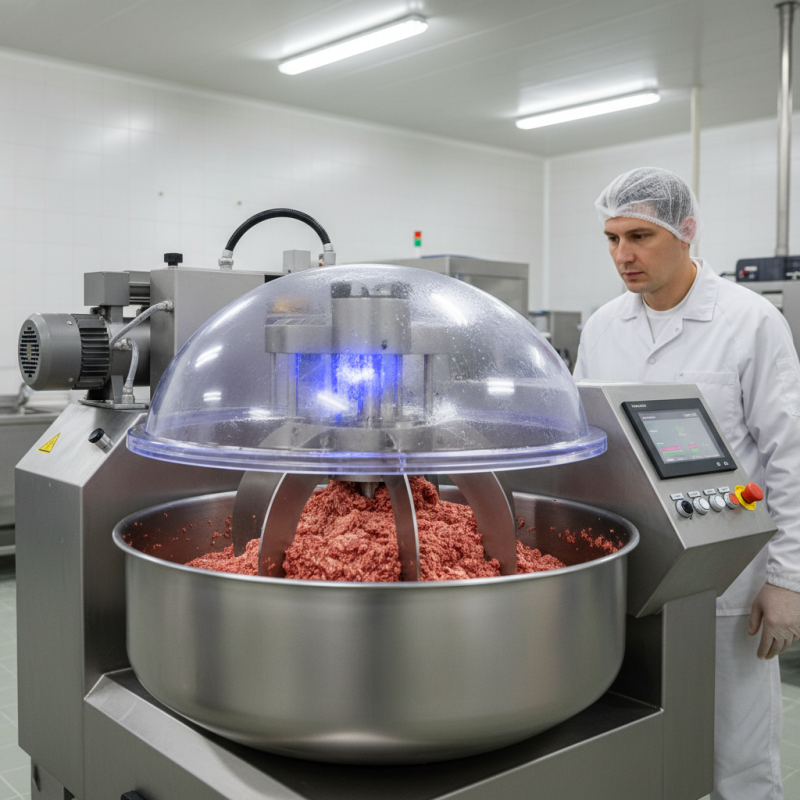
What is a Vacuum Bowl Cutter?
A vacuum bowl cutter is a specialized kitchen device. It is designed to chop and mix ingredients efficiently. It uses a sealed bowl and a vacuum system to create a low-pressure environment. This unique feature helps preserve flavors and moisture. The cutter moves quickly, ensuring uniformity in texture.
When using a vacuum bowl cutter, make sure to chop ingredients into smaller pieces first. This can help achieve a smoother blend. Be careful with timing too; over-processing can make the mixture too fine.
Experimenting with different settings can lead to better results, so don’t hesitate to adjust as needed.
Using a vacuum bowl cutter can be a learning experience. You may find inconsistency in your mixes at first. That's okay! Each attempt is a step toward mastering this tool. Sometimes, things may not turn out as expected. Embrace those moments and adjust your technique for improvement.
Key Components of a Vacuum Bowl Cutter
A vacuum bowl cutter is a specialized kitchen tool. It is designed for processing meat and other ingredients. The key components of a vacuum bowl cutter contribute to its unique functionality.
The main part is the bowl itself. It is typically made of stainless steel. This material is durable and easy to clean. The bowl has a vacuum lid that creates a sealed environment. This is important for retaining flavor and moisture.
Another essential component is the cutting blade. The blade is sharp and precise, allowing for even chopping. The speed and rotation of the blade can be adjusted for different textures.
However, the effectiveness of a vacuum bowl cutter relies on user proficiency. Sometimes, improper loading of ingredients can lead to uneven processing. Users must learn to manage ingredient sizes. Overfilling the bowl may also cause issues. It is crucial to experiment to achieve the best results. Each machine may require practice to master its operation fully. Understanding the vacuum bowl cutter's components enhances its use for anyone in the kitchen.
How a Vacuum Bowl Cutter Operates
A vacuum bowl cutter is key in the food processing industry. These machines mix and chop ingredients efficiently, enhancing both texture and flavor. They are designed to create a vacuum environment, which helps to retain moisture and nutrients. In recent reports, it was found that vacuum bowl cutters can reduce oxidation by up to 50%, making them ideal for high-quality food production.
The operation of a vacuum bowl cutter involves several key components. Ingredients are placed in a bowl equipped with sharp blades. As the bowl rotates, a vacuum is created, pulling air out and minimizing oxidation. The blades chop the ingredients while the vacuum holds them in place. This process can lead to a finer texture in products like sausages and emulsions. A study showed that 70% of industry professionals prefer this method for its efficiency and quality.
Despite their advantages, vacuum bowl cutters have limitations. They require a significant upfront investment, which some smaller businesses struggle to afford. Additionally, achieving the right balance of speed and vacuum pressure can be challenging. Operators need training to use the machines effectively. Understanding these quirks can lead to better outcomes and innovation in the food processing industry.
Applications of Vacuum Bowl Cutters in Food Processing
Vacuum bowl cutters are essential in food processing. They help achieve consistent texture and quality in various products. These machines work by cutting and mixing ingredients in a controlled vacuum environment. The absence of air lowers oxidation, preserving flavor and color.
In the meat processing industry, vacuum bowl cutters finely chop meat while blending in seasonings. This creates a uniform mixture, improving taste and texture. They are also used for producing emulsified products like sausages and spreads. The vacuum process ensures a better bind, resulting in superior quality.
However, these machines require careful monitoring. The temperature and time must be regulated to prevent overheating. If not managed correctly, the final product can suffer. Understanding the equipment is crucial for optimal results. Proper training and operational practices can make a significant difference in the outcome.
Benefits of Using a Vacuum Bowl Cutter
A vacuum bowl cutter is a specialized machine used in food processing. It combines ingredients efficiently while preventing air incorporation. This helps retain the freshness and flavor of the materials being processed.
One significant benefit of using a vacuum bowl cutter is that it enhances the quality of the final product. By reducing the exposure to air, oxidation is minimized. This is crucial for preserving the color and taste of delicate ingredients. Additionally, the cutting process can achieve a refined texture that is often hard to replicate with traditional methods. Smooth pastes and uniform mixes can elevate the overall experience of food products.
Another aspect to consider is the speed and efficiency. The vacuum bowl cutter can save time during production. However, oversight is necessary. Improper settings can lead to inconsistent results. It’s essential to monitor the process closely to avoid unwanted outcomes. Adjustments may be needed based on the specific recipe or ingredients. This equipment promises great benefits but requires careful handling to truly shine.
What is a Vacuum Bowl Cutter and How Does it Work? - Benefits of Using a Vacuum Bowl Cutter
| Feature | Description | Benefits |
| Vacuum System | Creates a low-pressure environment to enhance cutting efficiency. | Reduces oxidation and improves product freshness. |
| Blade Design | Specially designed blades that cut without incorporating air. | Results in a smoother texture and consistent particle size. |
| Speed Setting | Adjustable speed for various types of food processing. | Allows for customization based on specific ingredient needs. |
| Easy to Clean | Detachable components for thorough cleaning. | Promotes hygiene and reduces downtime for maintenance. |
| Versatility | Can be used for a variety of products, including meats and vegetables. | Increases utility across different food processing needs. |


