Essential Tips for Choosing the Right Boxes for Business Packaging
When it comes to effective business operations, the importance of selecting the right boxes for business packaging cannot be overstated. According to James Porter, a leading expert in packaging solutions, "The right packaging not only protects your products but also enhances your brand's image and ensures a positive customer experience." This statement encapsulates the key considerations businesses must make when choosing appropriate packaging.
The selection of boxes for business packaging involves factors such as material durability, cost-effectiveness, and sustainability. Businesses today must balance these aspects while also reflecting their brand values and meeting consumer expectations. In an age where first impressions can make all the difference, the boxes that house your products can significantly influence customer perceptions and purchasing decisions.
Moreover, the trend towards eco-friendly packaging means that companies are increasingly exploring sustainable materials and innovative designs. As businesses strive to represent their brand responsibly, understanding the nuances of boxes for business packaging is essential. By making informed choices, companies can not only safeguard their products but also elevate their market presence, ultimately driving long-term success.
Factors to Consider When Selecting Packaging Boxes for Your Business
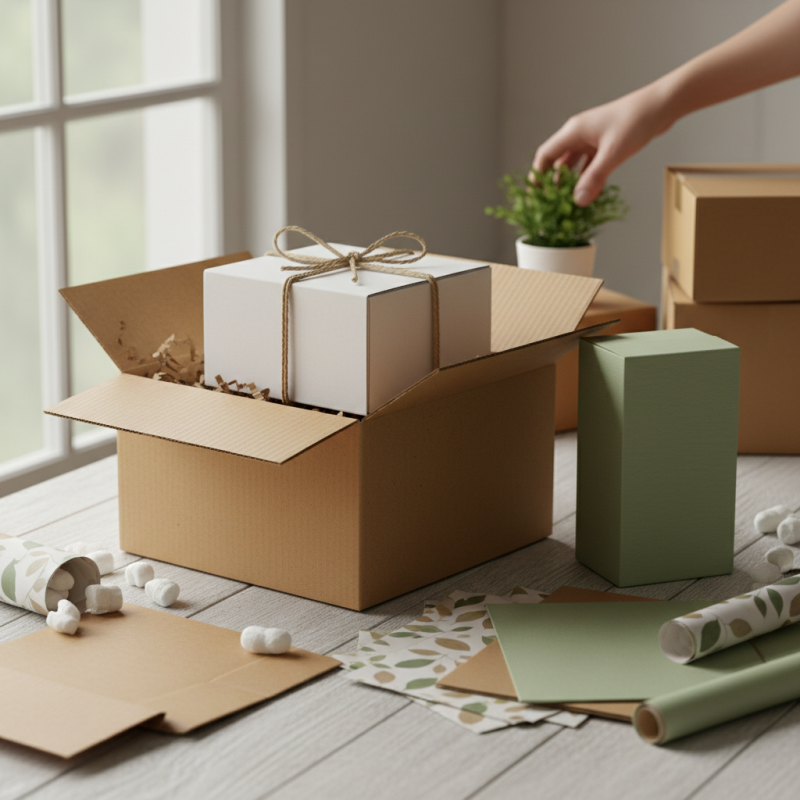
When selecting packaging boxes for your business, there are several key factors to consider that can significantly impact your operations and brand perception. First, it’s essential to assess the size and weight of your products. Packaging that is too large can lead to increased shipping costs and wasted materials, while packaging that is too small can risk damage to the item. Ensuring a perfect fit not only conserves resources but also presents a professional image to your customers.
Material choice is another crucial aspect. Depending on the nature of your products, you may need sturdy boxes that can withstand shipping and handling or more eco-friendly options to cater to environmentally conscious consumers. Explore options like corrugated cardboard for durability or biodegradable materials for sustainability, as these choices can reflect your brand values and appeal to your target market.
**Tips:** Always conduct a cost-benefit analysis when choosing packaging materials to ensure they align with your budget while still meeting quality standards. Additionally, consider the unboxing experience for your customers; aesthetically pleasing packaging can enhance satisfaction and foster repeat business. Finally, don't overlook the importance of branding elements, such as color and design, which can elevate your packaging from functional to memorable.
Essential Tips for Choosing the Right Boxes for Business Packaging
Types of Packaging Boxes: Pros and Cons for Different Industries
When choosing packaging boxes for business purposes, it’s essential to understand the various types available and their respective advantages and disadvantages in different industries. For instance, corrugated boxes are incredibly popular due to their sturdiness and lightweight nature. According to a report by Smithers Pira, the global demand for corrugated boxes is expected to reach 250 billion square meters by 2024, driven primarily by the e-commerce sector. These boxes provide excellent protection for products, making them ideal for shipping fragile items like electronics or glassware. However, their environmental impact can be a concern if they are not sourced sustainably.
On the other hand, rigid boxes are often favored in luxury markets, such as cosmetics and high-end retail, due to their aesthetic appeal and superior structural integrity. A study from Market Research Future states that the global rigid box market is projected to grow at a CAGR of over 3% from 2021 to 2027. While they enhance the perceived value of products, rigid boxes are usually more expensive and may not be the best choice for industries focused on cost-efficiency.
Another common option is flexible packaging, which offers versatility and is increasingly used in the food industry. The Flexible Packaging Association highlighted that flexible packaging accounted for approximately 18% of the total packaging market in 2020, with its lightweight nature and the ability to extend shelf life appealing to consumers. However, businesses must consider the trade-off between flexibility and the level of protection required for their products, as flexible options may not offer the same durability as rigid or corrugated solutions.
Essential Tips for Choosing the Right Boxes for Business Packaging
| Type of Box |
Pros |
Cons |
Ideal Industries |
| Cardboard Boxes |
Lightweight, cost-effective, recyclable |
Less durable, susceptible to moisture |
E-commerce, Retail |
| Plastic Boxes |
Durable, water-resistant, reusable |
More expensive, environmentally unfriendly |
Food, Pharmaceuticals |
| Corrugated Boxes |
Strong, excellent for shipping, customizable |
Heavier, may be more costly |
Manufacturing, Logistics |
| Foam Boxes |
Great for fragile items, insulating properties |
More expensive, not recyclable |
Electronics, Glassware |
| Metal Boxes |
Extremely durable, secure |
Heavy, often more costly |
Automotive, Electronics |
Understanding Material Choices: Cardboard, Plastic, and More
When selecting packaging for business needs, understanding the various material choices available is crucial. Cardboard, plastic, and other materials each offer unique benefits, which can greatly influence both the protection of products and the overall customer experience. According to a report by Smithers Pira, the global market for cardboard packaging is expected to reach over $300 billion by 2024, reflecting its dominance due to durability, recyclability, and cost-effectiveness. Cardboard is particularly favored for its lightweight nature and stacking strength, making it ideal for shipping and storing goods.
On the other hand, plastic packaging, which has seen a steady growth rate of 4.9% annually (as reported by Global Industry Analysts), provides advantages in terms of moisture resistance and flexibility. This makes plastic an appealing choice for products that require a tight seal to maintain freshness. Additionally, advancements in biodegradable and recyclable plastic options are addressing environmental concerns, allowing businesses to align with sustainable practices while meeting customer demands for eco-friendly solutions.
The choice between cardboard, plastic, or other materials ultimately hinges on product specifications, target market preferences, and logistical requirements, making it essential for businesses to carefully evaluate these factors to optimize their packaging strategy.
Importance of Size and Shape in Packaging Box Selection
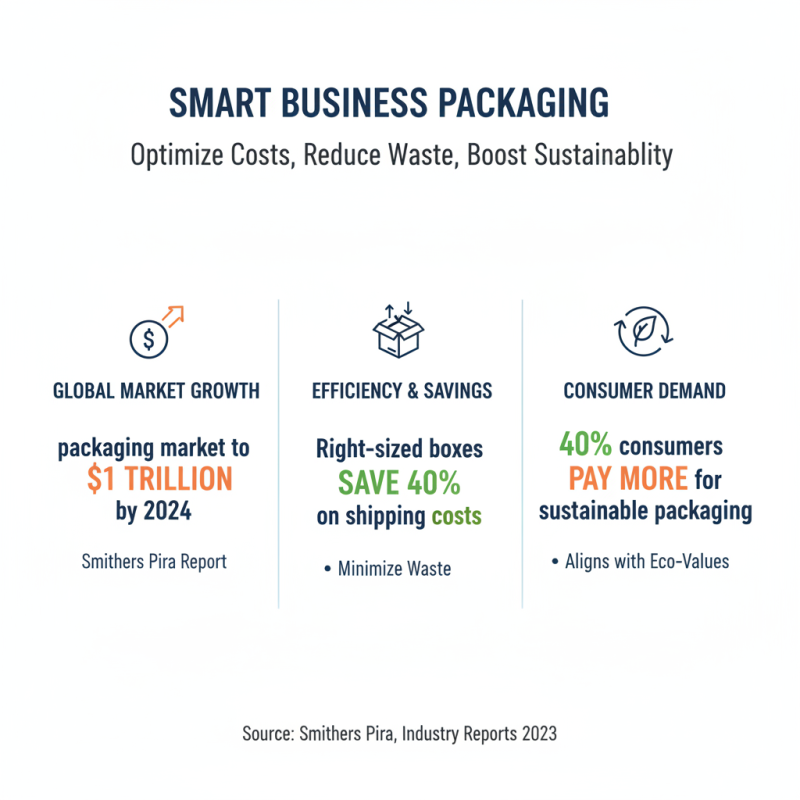
When it comes to business packaging, the importance of choosing the right size and shape of boxes cannot be overstated. According to a report by Smithers Pira, the global packaging market is expected to reach $1 trillion by 2024, with a significant portion attributed to the efficiency of packaging materials. Properly sized boxes not only optimize shipping costs but also minimize waste, which aligns with growing consumer demand for sustainable practices. In fact, about 40% of consumers indicate they are willing to pay more for sustainable packaging, highlighting the need for businesses to be mindful of their packaging choices.
The shape of the packaging box also plays a crucial role in protecting products during transit and enhancing shelf appeal. A study by Market Research Future found that well-designed packaging can influence consumer purchasing decisions by up to 70%. Therefore, selecting a box that complements product dimensions can improve both the physical safety of the items and overall customer satisfaction. Additionally, custom-shaped boxes can help in differentiating products in a competitive market, providing an edge that standard sizes may not offer. Thus, investing time in understanding the right size and shape for packaging can significantly impact a business's operational efficiency and customer perception.
Cost-Effectiveness: Balancing Quality and Budget for Packaging Needs
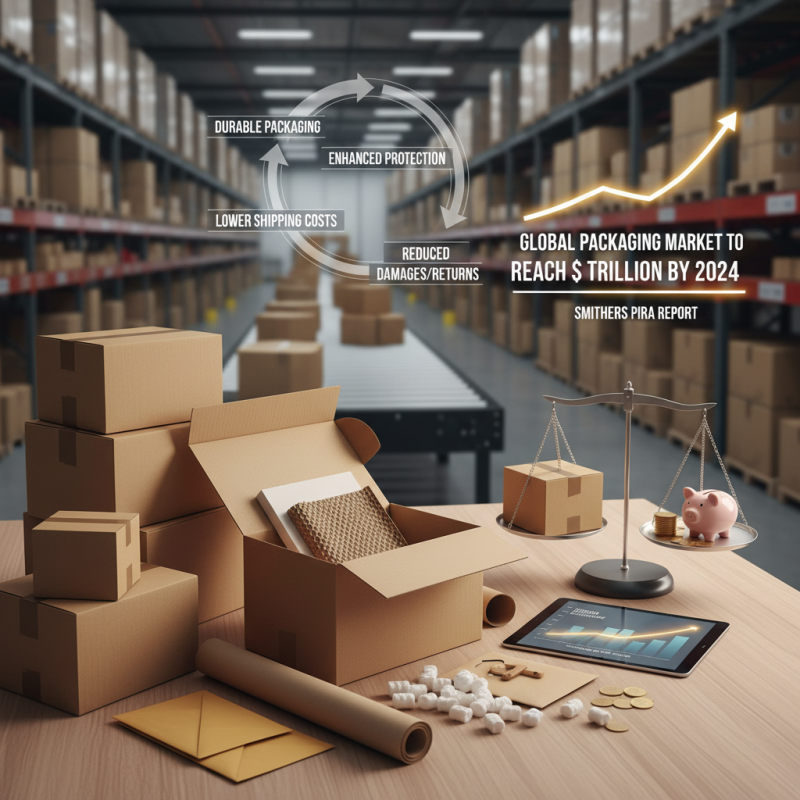
When selecting packaging for business needs, cost-effectiveness remains a critical consideration. According to a report by Smithers Pira, the global packaging market is expected to reach $1 trillion by 2024, underscoring the growing importance of efficient packaging solutions. Companies must balance quality with budget constraints, ensuring that the materials they choose do not compromise product integrity or delivery efficiency. Investing in durable packaging not only enhances product protection but can also lead to reduced shipping costs due to fewer damages and returns.
In a survey conducted by the Institute of Packaging Professionals, nearly 60% of respondents indicated that optimizing packaging for cost savings was a top priority, but they cautioned against sacrificing quality for lower prices. Properly designed packaging can reduce overall operational costs by up to 15%, as highlighted in the 2020 Packaging Sustainability report. Furthermore, utilizing innovative materials that comply with environmental standards may initially appear more expensive, but they often result in long-term savings through increased customer loyalty and reduced waste. Thus, businesses should strategically assess their packaging options to achieve a sustainable balance between quality and budget.