

- About Us
- Privacy Policy
- Shipping and Returns
- Terms and Conditions
- Custom Quotation
- Sample Pack
- Contact Us
- Blogs
© 2025 Copyright. All rights reserved.

In today's fast-paced printing industry, quality control is paramount. A Print Inspection System stands out as an essential tool for manufacturers. These systems use advanced technology to detect defects that human eyes may miss. By integrating a Print Inspection System, companies can ensure that every printed product meets high standards.
Most printing processes are prone to errors. Inaccurate colors, misalignments, and material faults can occur. A Print Inspection System reduces the risk of such problems. It continuously monitors production lines and identifies defects in real-time. This immediate feedback allows for quicker adjustments and minimal waste.
While implementing a Print Inspection System offers many benefits, it requires careful consideration. Companies need to evaluate the complexity of their production processes. Investing in technology is not without challenges and may demand employee training. However, the potential for improved quality and customer satisfaction often outweighs these challenges.
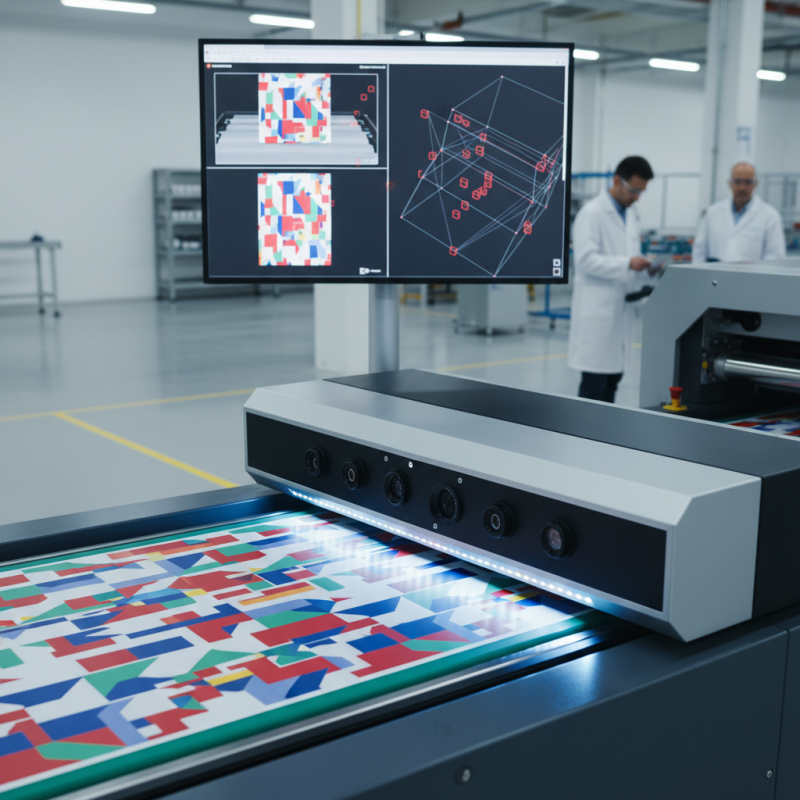
Print inspection systems play a crucial role in quality control across various industries. These systems help detect defects in printed materials such as labels, packaging, and marketing materials. According to a report by Smithers Pira, over 15% of production costs can be attributed to quality control issues. Implementing a robust print inspection system can significantly reduce these losses.
A well-designed print inspection system employs advanced technologies like computer vision and machine learning. These technologies analyze prints in real-time, identifying inconsistencies. For example, a study found that 90% of companies that adopted automated inspection reported a noticeable reduction in faults. This shift is driven by the need for accuracy in high-volume production environments.
Tip: Regularly calibrate your inspection system to maintain its accuracy. An uncalibrated system may miss critical defects, compromising product quality.
Print inspection systems also foster continuous improvement by providing data insights. Companies can track defect rates and identify recurrent issues. However, the initial investment in such technology can be significant. Businesses must weigh potential savings against upfront costs.
Tip: Start with a pilot project to gauge the effectiveness of a print inspection system before full-scale implementation. This can help identify potential pitfalls without committing extensive resources.
Implementing a print inspection system can significantly enhance quality control in printing processes. One key benefit is the consistent monitoring of print quality. These systems detect defects in real-time, ensuring that every print meets the required standards. This is crucial for maintaining customer satisfaction and brand reputation.
Another advantage is the reduction of waste. By identifying issues early, businesses can minimize the number of defective prints. This not only saves materials but also reduces costs associated with reprints. Efficiency improves as the production workflow becomes more streamlined.
Tips: Invest in training for your team to maximize the use of the print inspection system. Encourage staff to report inconsistencies, fostering a culture of quality. Regularly review inspection data to identify trends and areas for improvement. This can help refine processes and enhance overall quality control.
Adopting a print inspection system may seem challenging. However, the benefits often outweigh this initial difficulty. Continuous improvements are necessary to keep up with changing demands. Embrace technological advancements to stay competitive in the industry.
Print inspection systems play a crucial role in ensuring product consistency. In industries like packaging, the demand for high-quality prints is significant. According to a recent study by Smithers Pira, the global market for print inspection systems is expected to reach $1.5 billion by 2025, highlighting their growing importance.
These systems detect printing errors in real-time. They identify issues such as color mismatches and misalignments. For example, a 2022 report from Intertech Automation indicated that nearly 30% of defective products result from printing errors. By using advanced image processing, these systems minimize waste and enhance efficiency. However, not all systems are equally effective. Evaluating the technology and ensuring proper implementation is essential for success.
Crafting a reliable print inspection strategy requires expertise. While many companies invest in these systems, operational challenges can arise. Staff training, technology integration, and maintenance must be addressed. Regular audits and updates are necessary to maintain high standards. Emphasizing continuous improvement will further enhance product consistency overall.
| Dimension | Description | Impact on Quality |
|---|---|---|
| Accuracy | Ensures that printed elements match design specifications. | Reduces errors and reworks, improving overall quality. |
| Speed | Real-time inspection capabilities during the production process. | Increases throughput while maintaining high standards. |
| Consistency | Ensures uniformity across all printed materials. | Enhances brand reputation by delivering reliable products. |
| Cost-effectiveness | Minimizes waste through early detection of defects. | Lower operational costs, resulting in higher profit margins. |
| Sustainability | Reduction of material waste contributes to eco-friendly practices. | Supports corporate social responsibility initiatives. |
Manual print inspection relies heavily on human vigilance. This traditional method can lead to fatigue and oversight. A recent report indicates that human error accounts for nearly 60% of print defects. Inspectors may miss small flaws that machines can easily detect. The inconsistency in results and long inspection times can hinder production efficiency. This method lacks the scalability needed in high-demand environments.
Automated print inspection systems, however, consistently deliver accurate results. These systems utilize advanced imaging technology and AI to identify defects. According to industry studies, automation can reduce inspection times by up to 80%. This efficiency allows manufacturers to maintain high-speed production without compromising quality. Automated systems can be programmed to adapt to different types of prints, enhancing flexibility.
Choosing the right print inspection system is critical for ensuring quality control in manufacturing. A recent industry report states that 70% of quality issues arise due to human error. Automated systems can significantly reduce this risk. They offer higher accuracy in detecting defects such as misprints, ink smudges, or color mismatches.
When selecting a print inspection system, consider the technology used. Some systems employ advanced machine vision, providing real-time analysis. This can improve product consistency by 30%. Additionally, look for systems with easy integration capabilities. Compatibility with existing workflows is vital.
It's also essential to assess your specific needs. Not all systems are created equal. Different industries have unique requirements for print quality. Evaluate the types of materials you work with. Size and speed also matter. Some systems struggle with high-speed production lines. Test systems on a smaller scale before full implementation. Always seek data-driven insights from initial trials.
© 2025 Copyright. All rights reserved.

Magento Catalog Menu Widget by EMThemes Magento Themes & Magento Templates
