- About Us
- Privacy Policy
- Shipping and Returns
- Terms and Conditions
- Custom Quotation
- Sample Pack
- Contact Us
- Blogs
© 2025 Copyright. All rights reserved.

Packaging printing turns a product container into a visible promise. It places colors, instructions, symbols, and brand details on boxes, pouches, labels, cartons, and bottles. The process may use flexographic, digital, gravure, offset, or screen printing. Each method creates different results.
Marketing scholar Philip Kotler has described packaging as “the fifth P of marketing.” That idea remains practical. A printed package can attract attention on a crowded shelf. It can also explain use, protect brand identity, and support customer trust. A crisp barcode matters. So does readable text under store lighting.
Choosing the best packaging printing method depends on more than appearance. Product quantity, material, artwork complexity, delivery speed, and budget all influence the decision. Flexographic printing often suits large runs on flexible films or corrugated materials. Digital printing can support shorter runs, variable designs, and faster testing. Offset printing may deliver sharp images on folding cartons. Gravure can provide consistent quality for high-volume production, although preparation costs may be higher.
There is no universal winner. Not even close. A small brand may value flexibility more than the lowest unit price. A global manufacturer may prioritize color consistency across thousands of packages. Experienced printers still check ink adhesion, drying behavior, substrate movement, and final readability. A design that looks perfect on a screen may lose contrast after printing. That mistake is easy to make.
This guide examines how packaging printing works and compares its major types. It also considers sustainability, production scale, finish quality, and real-world performance. The best choice is rarely the most impressive option. It is the method that reliably serves the product, the customer, and the supply chain.
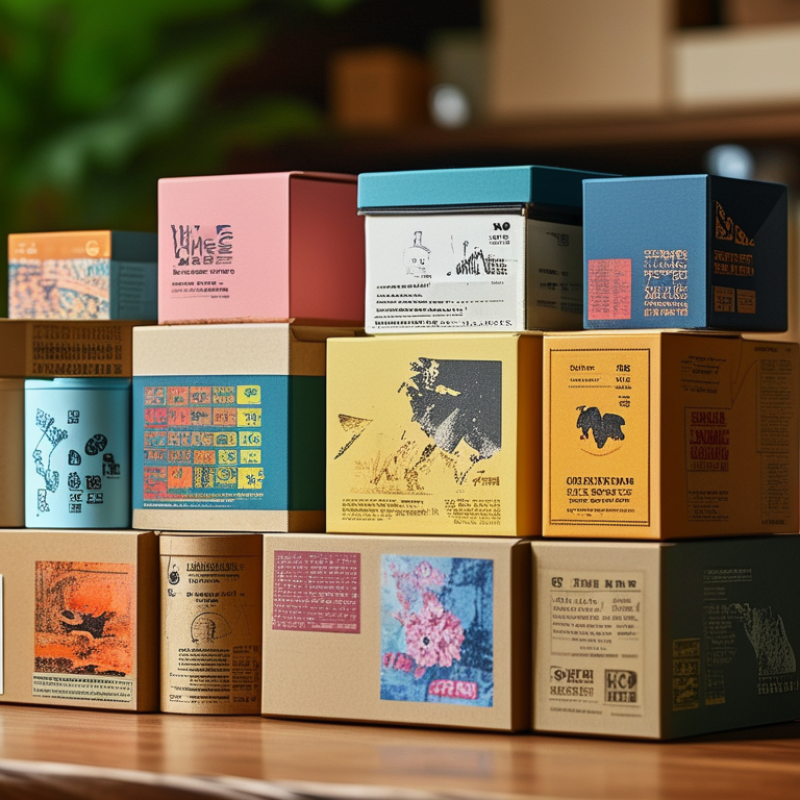
Packaging printing is the process of applying text, images, symbols, and instructions to packaging materials. These materials may include paperboard, films, labels, glass, metal, or corrugated sheets. The printed surface identifies the product and communicates essential information to users.
Its purpose goes beyond appearance. Clear printing can show ingredients, handling instructions, quantities, warnings, and recycling details. A printed pouch also helps protect product identity during transport and storage. It must protect. Poor contrast, blurred text, or weak ink adhesion can create confusion on a busy shelf.
The best printing type depends on the package material, order volume, design complexity, and required durability. Flexographic printing suits many large-volume jobs because it works efficiently on flexible films, paper, and corrugated surfaces. Digital printing supports short runs, variable information, and frequent design changes with less setup waste. Gravure printing can deliver consistent, detailed results for long production runs, but its preparation costs may be higher.
In practical production, surface testing matters. I have seen attractive artwork fail when condensation causes ink to smudge. Details matter. Printers should check color consistency, barcode readability, drying performance, and resistance to rubbing. The chosen method should also match realistic storage conditions, not just a sample room. No option is perfect. A reliable decision balances visual quality, production efficiency, material behavior, and responsible information sharing.
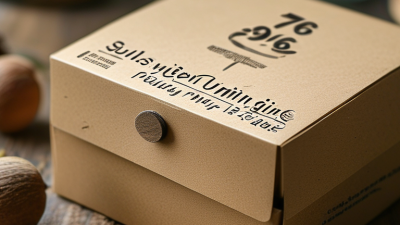
Packaging printing converts a plain substrate into a functional selling surface. The main processes are flexography, gravure, offset lithography, and digital printing. Flexography uses raised plates and fast-drying inks. It suits films, labels, corrugated board, and high-volume production. Gravure delivers dense color and smooth images, but cylinder preparation increases costs. It works best for long runs with stable designs.
Offset printing creates sharp text and detailed images on paperboard. It often supports premium cartons, although drying time can slow production. Digital printing removes plates and supports short runs, variable data, and rapid artwork changes. Smithers estimates the global digital packaging print market will approach 36.9 billion dollars by 2028. Its growth reflects demand for shorter supply chains and more customized packaging.
Material choice still changes the answer. Printing on a flexible film requires careful ink adhesion, heat control, and roll tension. Corrugated board needs enough ink coverage without weakening the surface. The 2024 Flexible Packaging Association report identifies flexible packaging as a major food and household packaging format in North America. No process wins every time. A small digital order may cost more per unit, while a large gravure run may waste unused stock. In production trials, color matching sometimes needs more attention than expected. Printers should test rub resistance, sealing behavior, barcode quality, and recycling compatibility before selecting equipment.
What Is Packaging Printing and Which Type Is Best?
Packaging materials strongly influence printing choices. Paperboard absorbs ink quickly, creating a soft, natural appearance. Coated board holds sharper details and brighter colors. Corrugated boxes need careful ink control because their uneven surface can distort fine text. Film resists absorption, so inks must bond firmly and dry correctly. Glass and metal often require surface treatment before printing. Without it, ink may scratch or peel during handling.
Printing methods also respond differently to each material. Flexographic printing suits large runs of flexible film, labels, and corrugated packaging. Offset printing produces detailed images on smooth paperboard. Digital printing supports short runs, variable artwork, and fast testing. Gravure can deliver consistent color across long production runs, but its setup may be expensive. There is no universal “best” method. A bright proof can still mislead when the final material changes color, texture, or ink absorption. This is where production testing matters.
Tips: Test the actual packaging material, not only a paper sample. Check color after drying, folding, rubbing, and exposure to moisture. Ask the printer about ink adhesion and surface preparation. Keep important text away from creases and rough edges. Small adjustments help. Yet even experienced teams sometimes overlook how lighting changes perceived color. Rechecking under store-like lighting can prevent costly surprises.
| Packaging Material | Common Packaging Formats | Recommended Printing Methods | Surface Characteristics | Print Quality and Color Capability | Durability and Resistance | Typical Production Suitability | Key Printing Considerations |
|---|---|---|---|---|---|---|---|
| Corrugated Fiberboard | Shipping cartons, subscription boxes, shelf-ready cases | Flexographic, digital inkjet, lithographic label or laminated sheet | Fluted, porous, and less uniform than coated paperboard | ★★★★☆ Strong graphics are possible; uncoated surfaces may reduce fine-detail sharpness |
Good structural strength; print can be affected by moisture, abrasion, and handling | Medium to high volumes; digital is practical for short runs and variable graphics | Use suitable ink coverage and allow for board caliper, flute direction, and surface absorbency |
| Solid Bleached or Coated Paperboard | Folding cartons, sleeves, premium product boxes | Offset lithography, digital toner or inkjet, flexographic printing | Smooth, flat, and commonly coated for improved ink holdout | ★★★★★ Excellent detail, halftones, typography, and color reproduction |
Good scuff resistance when coated or overprinted; limited moisture resistance unless treated | Short, medium, and high volumes depending on the selected process | Consider coating, creasing, folding, ink adhesion, and rub resistance on heavily handled panels |
| Uncoated Paper | Paper bags, wraps, labels, pouches, cartons | Flexographic, offset, digital, and screen printing | Porous and textured; absorbs ink more readily than coated stocks | ★★★☆☆ Natural appearance; small text and fine images may appear softer |
Moderate durability; vulnerable to water, oil, and surface abrasion without a protective treatment | Suitable for short to high volumes, depending on format and press setup | Choose inks and drying conditions for absorbency; allow for color shift caused by the paper’s natural shade |
| Plastic Film: PE, PP, or PET | Flexible pouches, sachets, shrink labels, overwraps | Flexographic, rotogravure, digital inkjet, and digital electrophotographic processes | Smooth and non-porous; may be transparent, white, or metallized | ★★★★☆ High-quality graphics are achievable when surface treatment and ink compatibility are correct |
Good moisture resistance; PE and PP are flexible, while PET generally offers higher dimensional stability | Rotogravure and flexography are common for longer runs; digital suits shorter or variable runs | Surface tension, corona treatment, ink adhesion, drying, film stretch, and reverse printing must be evaluated |
| Glass | Bottles, jars, cosmetic containers | Screen printing, ceramic decoration, pressure-sensitive labels, and digital direct-to-container printing | Non-porous, rigid, smooth, and available in clear, colored, or frosted finishes | ★★★★☆ Sharp decoration is possible; transparent glass may require an opaque white layer for color accuracy |
Excellent moisture and chemical resistance; printed decoration can be vulnerable to scratching if unprotected | Suitable for both customized batches and large production runs, depending on the decoration method | Control adhesion, surface cleanliness, curing, registration, and the effect of container curvature |
| Metal: Aluminum or Tinplate | Cans, tins, aerosol containers, metal closures | Offset lithography, dry offset, screen printing, and digital metal decoration | Rigid, smooth, and reflective; may be bare, coated, or lacquered | ★★★★☆ Strong color impact; metallic backgrounds can alter perceived color unless an opaque base is used |
High durability and barrier performance; coating and ink systems must withstand forming and handling | Best suited to medium and high volumes; digital methods support shorter runs in selected applications | Account for metal forming, coating flexibility, curing, scuff resistance, and food-contact requirements where applicable |
| Rigid Plastic: HDPE, PP, or PET | Bottles, tubs, trays, caps, rigid containers | Offset, dry offset, screen, pad, flexographic, and digital direct-to-object printing | Non-porous and molded; surface geometry may be flat, curved, or irregular | ★★★★☆ Good quality is available, but curvature, seams, and molded details can limit registration |
Good moisture and impact resistance; chemical resistance varies by polymer and ink system | Medium to high volumes are common; pad or digital printing can support specialized or shorter runs | Test ink adhesion, pretreatment, curing, squeeze or flex resistance, and compatibility with the container shape |
| Molded Fiber or Paper-Based Formed Packaging | Protective inserts, trays, molded pulp containers | Flexographic, digital inkjet, screen printing, or printed labels | Textured, absorbent, and often uneven with visible fiber structure | ★★★☆☆ Best for simple graphics and readable messaging rather than very fine photographic detail |
Good cushioning and moderate structural performance; moisture resistance depends on material and coating | Suitable for growing medium-to-large applications; process choice depends on surface uniformity | Use bold artwork, sufficient contrast, and ink systems that tolerate absorption and uneven contact |
Packaging printing turns artwork into a physical sales and protection tool. The best method depends on volume, material, design complexity, and delivery expectations.
Volume matters. Do not choose only by unit price. A small order may cost less with digital printing because it avoids expensive plates. A large, repeat order may favor flexographic or gravure production.
Material choice also affects ink adhesion, drying time, folding, and recycling options. Test the printed package before approving production. A color that looks accurate on a monitor can shift on film or textured paper. That is an easy mistake.
Tips:
Ask for a physical proof and a written specification. Check color targets, barcode readability, scuff resistance, and finishing tolerance. Discuss ink suitability for the package’s intended use with a qualified printer. For food or sensitive applications, confirm applicable safety requirements and migration testing. Consider recycled content, coating removal, and end-of-life recycling. Sustainability claims need evidence. They are not always simple. Also review lead times, minimum quantities, waste rates, and quality-control procedures before selecting the method.
Packaging printing is changing from a fixed production task into a data-driven process. Digital presses now support short runs, variable graphics, and faster artwork changes. Smithers reports that the global digital print for packaging market could reach about US$36.9 billion by 2028. This growth reflects demand for regional products, seasonal designs, and reduced inventory risk.
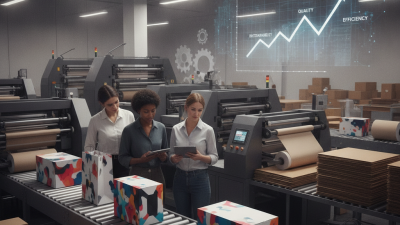
Automation is becoming more practical on the factory floor. Camera systems inspect registration, color density, and barcode quality during production. Artificial intelligence can identify repeating defects before hundreds of rolls are wasted. Water-based inks are also gaining attention, especially for paper packaging and food-contact applications. However, ink performance still depends on drying speed, coating structure, and storage humidity. The technology is not magic.
Sustainability is shaping equipment choices. A 2024 Smithers report expects sustainable packaging demand to keep expanding as converters reduce material use and improve recyclability. Lightweight substrates, LED-UV curing, and lower-coverage designs can reduce energy or ink consumption. The result is not always better. Some complex laminates improve shelf life but complicate recycling. Printing professionals should test the complete package, not only the printed surface.
According to MarketsandMarkets, the digital packaging print market is projected to grow at roughly 9.7% annually through 2028. That pace sounds impressive, yet smaller converters may struggle with equipment cost, operator training, and color consistency across substrates. Practical trials remain essential.
© 2025 Copyright. All rights reserved.

Magento Catalog Menu Widget by EMThemes Magento Themes & Magento Templates