

- About Us
- Privacy Policy
- Shipping and Returns
- Terms and Conditions
- Custom Quotation
- Sample Pack
- Contact Us
- Blogs
© 2025 Copyright. All rights reserved.

Offset Printing Inspection is a critical phase in the printing process. Successful inspection ensures high-quality outputs. It involves examining various aspects like color accuracy, alignment, and print quality.
Inspectors must be detail-oriented and knowledgeable. They should understand the printing technology deeply. This expertise is vital for identifying potential issues early. Inspecting every print run meticulously can prevent costly errors. However, it is not always straightforward. Sometimes, even experienced inspectors can overlook minor flaws.
Effective communication within the team enhances Offset Printing Inspection outcomes. Inspectors should not hesitate to share concerns or observations. Continuous improvement is key in this field. Reflecting on past inspections can provide valuable insights for future projects. Embracing a mindset of learning helps achieve better results.
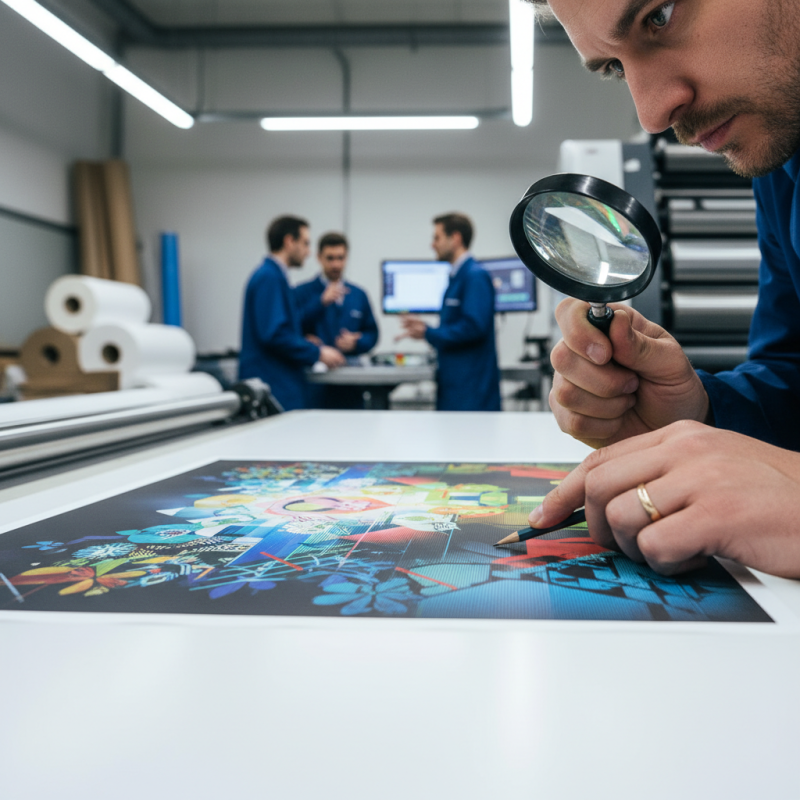
Offset printing inspection is a critical aspect of the printing process. Effective inspection techniques can significantly reduce errors and enhance print quality. A 2022 industry report highlighted that over 25% of printed materials face quality issues due to inadequate inspection methods. Understanding the basics of these techniques can lead to better outcomes.
Visual inspection is often the first line of defense. Inspectors check for color consistency, alignment, and any blemishes. However, relying solely on visual methods can be misleading. Automated systems now play an essential role in detecting defects that human eyes might miss. According to a study, integrating technology in inspection resulted in a 30% reduction in errors. Still, not all companies adopt these advancements consistently, leading to variability in print quality.
Another important aspect is regular training for staff. Many inspectors lack updated knowledge of advanced inspection tools. A survey revealed that 40% of printing companies do not prioritize training. This gap can result in missed defects and dissatisfied clients. Ensuring that staff are familiar with both traditional and modern inspection techniques will build a more robust quality control system.
When inspecting offset prints, some key factors are vital for ensuring quality. The paper type plays a significant role. Different substrates interact with ink differently, affecting the final outcome. For instance, coated paper often yields sharper images than uncoated varieties. According to industry reports, more than 70% of printing issues arise from substrate selection. Choosing the right paper can dramatically reduce inspection headaches.
Color consistency is another essential factor. Variations can occur due to numerous reasons. Temperature changes, humidity levels, and even ink batches can influence color output. A robust color management system can help. Research shows that 65% of printers prioritize color accuracy as a key quality indicator. Regular calibration of equipment helps maintain this consistency during production.
Tips: Always ensure proper lighting during inspections. Natural light can reveal flaws unseen under artificial sources. Consider using a colorimeter for precise measurements. Frequent training for staff on inspection techniques will enhance skills and awareness. Remember, even the most diligent inspections can overlook minor defects, leading to larger issues down the line. Staying vigilant and committed to quality checks is paramount in the offset printing process.
In offset printing, effective inspection requires the right tools and equipment. Accurate measurement devices, like color spectrophotometers, are essential. They measure color consistency across printed materials. Another important tool is a densitometer. It helps check ink density, ensuring proper coverage and adherence.
Light tables are invaluable for visual inspection. They let printers review images and colors under consistent lighting. Magnifiers can reveal minute defects invisible to the naked eye. These tools enhance quality assurance and minimize errors. Investing in reliable equipment pays off in the long run.
However, not all tools are foolproof. Regular calibration is crucial for accurate results. Neglecting this can lead to misinterpretations. Training staff on using these tools is vital. Experienced inspectors can spot issues early, but new users might struggle. Continuous learning and adaptation improve inspection outcomes significantly.
In offset printing, common issues can significantly impact quality. One prevalent problem is color inconsistency. Studies show that around 30% of printed materials fail to meet color standards due to variations in ink density. Monitoring ink levels and calibrating presses regularly helps catch these inconsistencies early.
Another issue is registration misalignment. Reports indicate that up to 15% of print jobs suffer from misregistration, which leads to blurry images and text. Proper setup and regular inspections during production can mitigate this risk. Additionally, the use of alignment tools and consistent checks can improve precision.
Print defects, such as streaks or spots, are also common. An estimated 20% of defects originate from dirty printing plates or rollers. Cleaning equipment frequently can reduce these occurrences. Inspectors should also be trained to identify these flaws quickly, ensuring the final product meets quality standards. Addressing these issues proactively benefits the overall output and customer satisfaction.
Quality control is crucial in offset printing. Establishing standards ensures the final product meets expectations. Begin by defining what quality means for your projects. Set measurable benchmarks for color accuracy and print consistency.
One tip is to create a checklist for each print run. Include aspects like paper type, ink density, and registration. This checklist helps maintain focus and avoids oversights. Regularly review these points with your team. They might notice issues you overlook.
Another useful approach is conducting frequent color calibrations. Even small variations can affect outcomes. Use tools that provide precise readings. A slight misalignment can lead to dissatisfaction. Check your machines often, and don't hesitate to adjust settings. Feedback from your team can reveal persistent problems needing attention.
© 2025 Copyright. All rights reserved.

Magento Catalog Menu Widget by EMThemes Magento Themes & Magento Templates
