The Importance of Food Packaging Boxes for Freshness and Safety?

Food packaging boxes play a crucial role in maintaining the freshness and safety of food products. When we think of food storage, we often overlook the packaging used. However, effective packaging is essential. It protects food from contamination and spoiling.

These boxes are designed to create a barrier against external factors, such as moisture and bacteria. They also help in preserving flavor and texture, which is vital for consumer satisfaction. Many brands invest in innovative designs to enhance function and appeal. Yet, not all packaging is created equal. Some options may be environmentally unfriendly, causing reflection on our choices.

The importance of food packaging extends beyond mere aesthetics. It’s about the wellbeing of consumers. We must consider the materials used in food packaging boxes. Ensuring safety while minimizing environmental impact is a challenge. Ultimately, the right packaging can make a significant difference in quality and safety.
The Importance of Food Packaging Boxes for Freshness and Safety?

The Role of Food Packaging in Preserving Freshness

Food packaging plays a crucial role in preserving freshness. According to a report by the Food and Drug Administration,
approximately 30% of food produced is wasted due to spoilage. Proper packaging can significantly reduce this number. For example, vacuum-sealed packaging can extend the shelf life of perishable goods by nearly 50%. This is essential for both consumers and businesses.

Innovative materials are key to maintaining freshness. Modified atmosphere packaging (MAP) replaces air inside the package with a gas mixture. This simple change slows down the degradation process of fruits and vegetables. A study from the International Journal of Food Science highlighted that MAP can keep produce fresh for up to two weeks longer compared to traditional packaging methods. While the technology is effective, not all foods benefit equally from it.

Even with advancements, imperfections exist. Some packaging is not recyclable, which raises environmental concerns. Moreover, the reliance on packaging can lead to complacency in consumers. They might assume that if the package looks good, the food inside is safe. This is not always true. Regular checks and awareness are needed to ensure food remains safe and fresh.

The Importance of Food Packaging Boxes for Freshness and Safety

Packaging Type Material Effect on Freshness Safety Features Environmental Impact
Cardboard Boxes Recycled Paper Moderate Non-toxic inks, moisture barriers Biodegradable
Plastic Containers PET, PP High Tamper-evident seals Recyclable
Glass Jars Glass Very High Air-tight seals 100% recyclable
Vacuum Packs Flexible Film Very High Oxygen barrier Less waste, but not biodegradable
Foil Pouches Aluminum Foil High Light and moisture barrier Difficult to recycle

Materials Commonly Used in Food Packaging for Safety and Freshness

Food packaging plays a crucial role in maintaining the freshness and safety of products. Various materials are available for food packaging, each with unique properties. Plastic, for example, is lightweight and versatile. It can keep moisture out and preserve flavors well. Yet, plastic can also be harmful if not disposed of properly. We need to reflect on its environmental impact.

Paper and cardboard are often favored for their recyclability. They can hold dry goods and are biodegradable. However, they may not provide the same barrier against moisture as other materials. Therefore, using coatings can enhance their durability. Still, these coatings introduce new challenges regarding recyclability. It’s important to choose wisely.

Metal containers, such as tin cans, offer excellent protection against light and air. They are perfect for long-term storage. However, the manufacturing process for metals can be energy-intensive. This raises questions about sustainability. Glass provides a non-reactive option that keeps food safe. But it is heavy and fragile. Balancing all these factors is key to effective food packaging.

Impact of Packaging Design on Consumer Perception and Safety

The Importance of Food Packaging Boxes for Freshness and Safety?

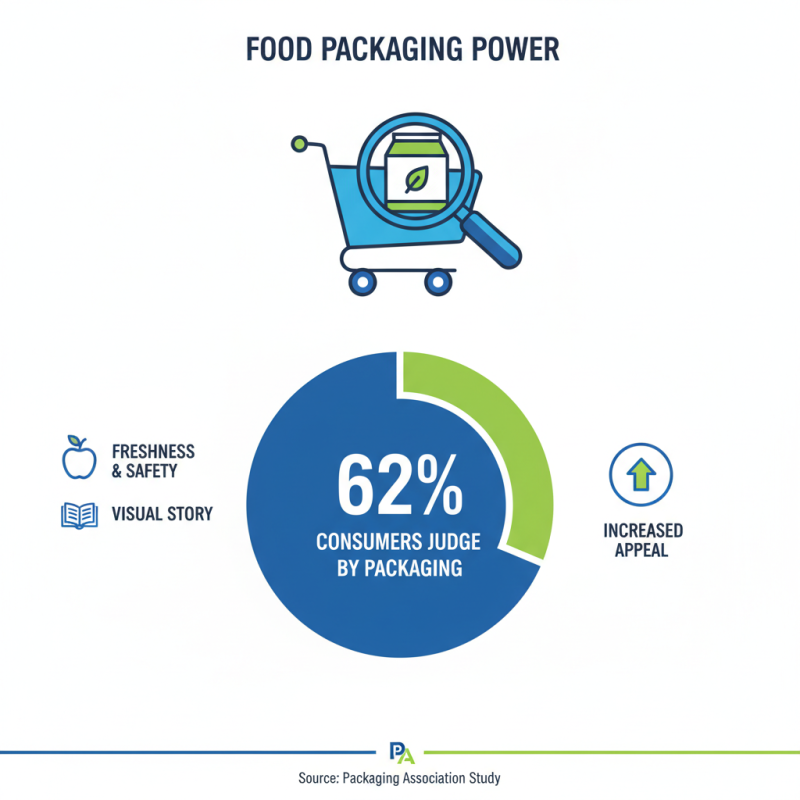
Packaging design plays a crucial role in how consumers perceive food products. A well-designed package can create an appealing visual story. It communicates freshness and safety before the product is even opened. According to a recent study by the Packaging Association, 62% of consumers judge a product based on its packaging alone. This emphasizes the importance of aesthetics in food packaging.

Moreover, safety is enhanced through thoughtful design. For instance, tamper-evident packaging can significantly boost consumer trust. Research indicates that 73% of consumers feel more secure purchasing products with visible safety features. In contrast, packaging that appears flimsy or unattractive often raises concern. Some might question: Is the food inside still safe?

Yet, there are challenges. Many manufacturers focus solely on appeal, sometimes neglecting safety aspects. Recent data shows that 38% of food recalls were linked to packaging failures. This highlights a critical area for improvement. Balancing design and functionality remains a key issue in the industry. It calls for ongoing reflection on how packaging can better serve both aesthetic and safety needs.

Innovations in Food Packaging Technology Enhancing Freshness

Innovations in food packaging technology play a crucial role in maintaining freshness. To keep fruits and vegetables vibrant, new materials are being used. Biodegradable films now offer protection without harming the environment. These films allow for breathability, preventing moisture buildup that can lead to spoilage.

Temperature-sensitive packaging can also greatly enhance food safety. Some packages change color when the temperature rises too high. This visual cue alerts consumers to potential spoilage. However, this technology can sometimes fail. Not all indicators work reliably, leaving room for improvement. Consumers may not always notice the alerts.

Another key innovation is vacuum sealing. This method removes air, prolonging shelf life. Yet, it also has limitations. If not sealed properly, food can still spoil quickly. There are instances of ineffective seals that compromise freshness. As we embrace these advancements, ongoing research is essential to address these challenges and ensure food safety for all.

Regulations and Standards for Food Packaging Safety Compliance

Food packaging regulations are crucial for maintaining safety and freshness. Various organizations set standards to ensure compliance. For instance, the Food and Drug Administration (FDA) in the U.S. oversees packaging materials. They enforce guidelines to prevent chemical contamination. This is essential as studies indicate 30% of foodborne illnesses are linked to packaging issues.

An effective packaging design must protect products from external factors. A report from the Food Safety and Inspection Service shows that nearly 40% of consumers have concerns about packaging safety. Many items face challenges like temperature fluctuations and moisture exposure. Proper labeling and material composition are vital. They help consumers identify potential allergens and ensure proper handling.

Despite regulations, gaps remain. Manufacturers sometimes overlook the importance of comprehensive testing. Inadequate testing can lead to severe consequences. A survey revealed that only 50% of food manufacturers fully adhere to safety compliance. Continuous education about regulations is necessary. Many stakeholders need to reflect on their practices and improve. This approach not only enhances safety but also minimizes risks to public health.

Magento Catalog Menu Widget by EMThemes Magento Themes & Magento Templates