- About Us
- Privacy Policy
- Shipping and Returns
- Terms and Conditions
- Custom Quotation
- Sample Pack
- Contact Us
- Blogs
© 2025 Copyright. All rights reserved.

In the world of modern retail, food packaging boxes play a crucial role. They serve not only as containers but also as a visual appeal for products. When consumers shop, attractive packaging captures attention. A well-designed food packaging box can enhance a product’s marketability.
Food packaging boxes do more than hold food. They protect contents from contamination and damage. Additionally, they convey important information like ingredients and nutrition. However, there is a pressing need to balance aesthetics with sustainability. Many consumers now prefer eco-friendly packaging. This shift presents challenges for brands that still rely on traditional materials.
Despite advancements, not all food packaging boxes meet standards. Some may be visually appealing but fail in functionality. Templates need constant re-evaluation. As the market evolves, packaging solutions must address changing consumer preferences and environmental concerns. The importance of food packaging boxes is undeniable, yet improvement is always possible.
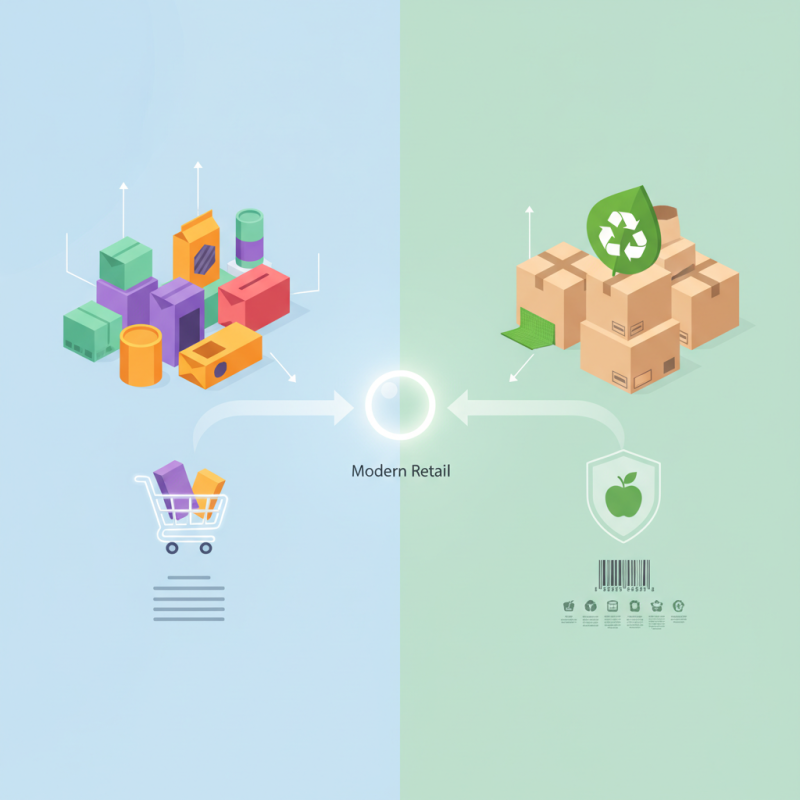
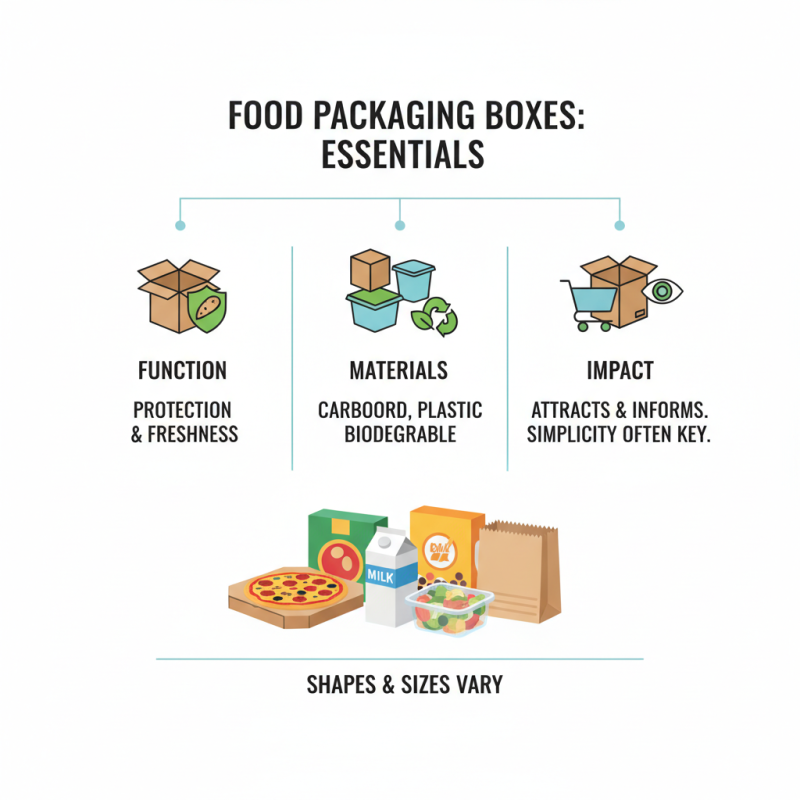
Food packaging boxes serve as essential containers for various food products. They come in different shapes and sizes, designed to protect food from external elements. These boxes can be made from cardboard, plastic, or biodegradable materials. They not only keep items fresh but also enhance the appeal of the product. Colors and graphics on these boxes attract consumers’ attention. However, not all designs resonate with buyers. Sometimes, simple packages are more effective than overly elaborate ones.
In modern retail, the importance of food packaging boxes cannot be understated. They provide vital information about ingredients, nutritional value, and expiration dates. Clear labeling helps consumers make informed choices. Yet, some packaging fails to convey this information effectively. Think about it: a beautiful box that lacks essential details could mislead buyers. Additionally, while many companies invest in recyclable packaging, not all waste is disposed of properly. This raises concerns about sustainability and environmental impact. In an age where eco-consciousness is growing, finding the balance between aesthetics and responsibility is crucial.

Food packaging boxes play a critical role in the retail environment. They not only protect food products but also enhance brand appeal. Materials used in these boxes are essential for maintaining freshness and safety. According to a report by Smithers Pira, sustainable packaging market growth is expected to reach $500 billion by 2024. This indicates a strong shift towards eco-friendly materials.
Common materials include cardboard, plastic, and biodegradable substances. Cardboard is favored for its recyclability. Studies show that 70% of consumers prefer packaging made of recyclable materials. Plastic, while effective, presents challenges. It can take hundreds of years to decompose. There's an increasing awareness of waste, prompting a call for better alternatives.
Biodegradable materials are emerging as a solution. They break down more quickly, reducing environmental impact. However, they can be more costly. Reports indicate that only 30% of consumers understand the difference between biodegradable and compostable. This gap highlights a need for better education in the market. The choice of materials is crucial, but not all packaging meets high sustainability standards. Balancing costs and environmental responsibilities remains a challenge for the industry.
Food packaging plays a vital role in the fight against food waste. According to the Food and Agriculture Organization, about 1.3 billion tons of food is wasted globally each year. Effective packaging can minimize spoilage and extend shelf life. This is crucial for both retailers and consumers.
Innovative materials, like modified atmosphere packaging, significantly slow down food deterioration. These solutions can reduce waste by up to 50% for certain products. In particular, fresh produce often suffers from premature spoilage. Importance lies in selecting the right materials to maintain quality. Biodegradable options are gaining traction, yet their effectiveness varies.
Education is also essential. Many consumers do not understand expiration dates versus best-before dates. Clear labeling can reduce confusion and encourage proper food handling. People often throw away food that is still safe to eat. This indicates a need for better communication in packaging. Balancing sustainability with usability poses challenges; reflection is needed. Food packaging is not just a container; it’s an essential element in reducing waste and promoting sustainability.
Food packaging boxes play a vital role in modern retail. They not only serve to protect the products but also influence consumer buying choices. Eye-catching designs and functional features can grab attention on store shelves. Packaging communicates brand values and product quality. A well-designed box can create a memorable first impression.
Tips: Consider using bright colors and unique shapes. Simple designs can often stand out more. Think about how the packaging reflects the product inside. Is it fresh? Natural? Indulgent? An effective approach can lead to better sales.
Many consumers often make snap judgments based on packaging alone. They may decide to purchase an item simply because it looks appealing. However, if the contents do not match the packaging, it can lead to disappointment. Brands must consistently deliver on their promises. Authenticity in packaging fosters trust and encourages repeat purchases.
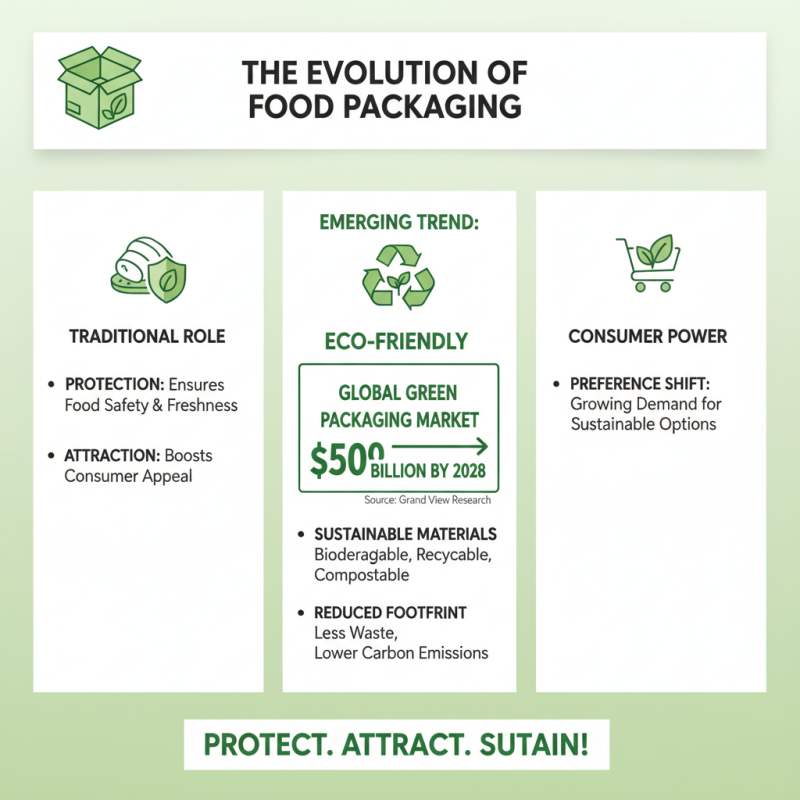
Food packaging boxes play a vital role in modern retail. They not only protect food items but also attract consumers. Emerging trends show that eco-friendly materials are gaining traction. In fact, a report from Grand View Research indicates that the global green packaging market is expected to reach $500 billion by 2028. This shift highlights the growing consumer preference for sustainable options.
Innovations in food packaging are changing the retail landscape. Smart packaging technologies, such as QR codes and temperature sensors, enhance user engagement. According to a study by Packaging Strategies, 72% of consumers are more likely to buy a product with interactive packaging. These advancements can foster brand loyalty. Yet, challenges remain. Not all companies embrace these technologies, leading to missed opportunities.
Another key trend is minimalistic design. Simple packaging can make a strong impact. Research from Nielsen shows that 40% of consumers are drawn to products with clean, less cluttered packaging. However, striking the right balance can be difficult. Brands must ensure their products stand out while maintaining transparency. Each choice in packaging design reflects a brand's values and understanding of its audience.
© 2025 Copyright. All rights reserved.

Magento Catalog Menu Widget by EMThemes Magento Themes & Magento Templates