

10 Essential Tips for Sourcing in the China Prefabricated Buildings Market?

The China Prefabricated Buildings Market is rapidly evolving. This growth presents both opportunities and challenges for businesses and investors. Navigating this dynamic landscape requires a solid understanding of local practices and industry standards.

Sourcing quality materials and experienced suppliers is crucial. Many companies underestimate the importance of diligent research. With the right approach, you can minimize risks associated with the market. Building relationships with local manufacturers often leads to improved quality and lower costs.

As you explore this market, expect to encounter some hurdles. Language barriers and cultural differences may complicate communications. It's essential to remain adaptable and open-minded in your dealings. By incorporating these essential tips, you can effectively source in the China Prefabricated Buildings Market, ensuring long-term success in your projects.
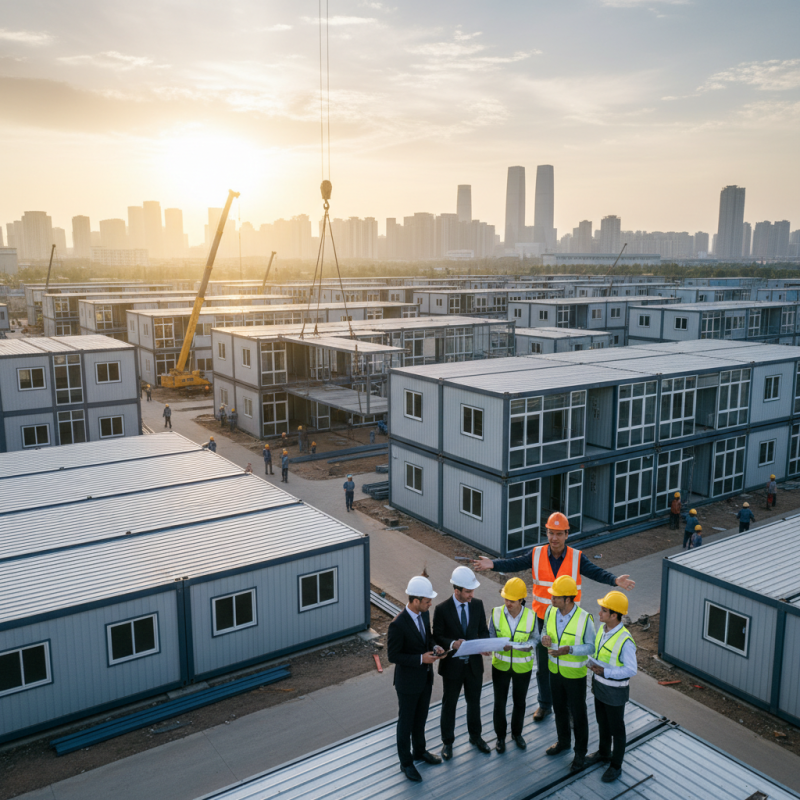
10 Essential Tips for Sourcing in the China Prefabricated Buildings Market?

Understanding the China Prefabricated Buildings Market Landscape

The China prefabricated buildings market presents a unique landscape. It blends traditional construction techniques with innovative manufacturing. The country has become a hub for scalable and sustainable building solutions. Understanding local regulations and standards is crucial for companies looking to enter this market. Compliance ensures that sourced materials meet safety and quality benchmarks.

A challenge lies in the varying quality among manufacturers. Not all suppliers adhere to stringent quality controls. This inconsistency can lead to serious project delays. Engaging with trusted local partners can mitigate these risks. Regular site visits can also offer insights into their production processes.

Moreover, staying informed about market trends is vital. Shifts in consumer preferences and environmental regulations affect demand. Companies must remain adaptable to navigate this evolving landscape. Building relationships with local industry experts can enrich understanding and provide valuable perspectives. Despite the opportunities, thorough market research remains essential for successful sourcing in this dynamic sector.

Market Demand for Prefabricated Buildings in China (2023)

This chart illustrates the demand for prefabricated buildings across various sectors in China for the year 2023, showcasing the highest demand in the residential sector.

Key Factors to Consider When Sourcing Prefabricated Buildings in China

Sourcing prefabricated buildings in China requires careful consideration of several key factors. Market research highlights that China accounts for over 50% of the global prefabricated building production. This rapid growth signifies potential, but it also introduces varying quality standards. Buyers must assess potential suppliers rigorously. Reliable suppliers should have certifications and a solid track record.


Understanding local regulations is crucial. Each province may have specific building codes and requirements. It can affect project timelines and costs. Research indicates that improper compliance can lead to project delays of up to 30%. Choosing suppliers familiar with local laws is essential. They can navigate these legal frameworks efficiently.


Logistics and supply chain management play vital roles. The industry faces challenges like transport delays and material shortages. Industry reports suggest that timely delivery can impact overall costs by 15%. Establishing clear communication with suppliers and logistic partners minimizes these risks. Building strong relationships can lead to better negotiation outcomes and awareness of market fluctuations.

Evaluating Quality and Standards for Chinese Prefabricated Structures

When sourcing in the China prefabricated buildings market, evaluating quality and standards is paramount. Many manufacturers focus on production speed over quality. As a buyer, you must inspect materials and workmanship. Look for signs of durability, such as robust joints and high-grade materials. Documentations like product certifications can provide insights into industry compliance.

Standards fluctuate widely across different suppliers. It's essential to verify the standards they claim to meet. Engage with third-party inspection agencies to ensure impartial evaluations. Ask for samples to assess quality firsthand. Sometimes, what seems perfect in photos may not hold up in reality. Be wary of excessively low prices, as they often indicate compromised quality.

Communicating clearly with manufacturers about your expectations is vital. Regular updates during the production phase can reveal potential issues early. Consider visiting factories if possible; this firsthand experience can clarify quality. Many buyers overlook this step, but it can mitigate risks. Ensuring that the structures comply with international safety and quality standards will lead to safer, more reliable outcomes.

Navigating Regulations and Compliance in the Chinese Market

Sourcing in the China prefabricated buildings market requires careful navigation of regulations and compliance. The Chinese market is tightly regulated, with local governments enforcing various standards. Understanding these regulations is essential for success. According to a report by the China National Institute of Standardization, over 30% of prefabricated building projects failed to meet compliance standards last year. This highlights the importance of thorough due diligence.

Awareness of building codes is crucial. Different regions may have unique requirements that impact material sourcing and construction practices. For instance, the Ministry of Housing and Urban-Rural Development outlines criteria for energy efficiency and safety. Ignoring these can lead to costly delays and legal issues. Regular consultation with local experts can provide essential insights into changing regulations.

Moreover, quality control is vital across every stage of sourcing. Reports show that around 20% of prefabricated units suffer from structural issues due to non-compliance. It is advisable to collaborate with reputable manufacturers who prioritize adherence to standards. Combining meticulous planning with continuous education about local compliance will minimize risks and enhance project viability. In this competitive landscape, staying informed is key to successful market entry.

Building Relationships with Suppliers in the Prefabricated Industry

Building strong relationships with suppliers in the China prefabricated buildings market is crucial. Personal connections often lead to better communication and trust. It begins with understanding their business culture. Chinese suppliers value long-term partnerships over one-time transactions. Spend time getting to know them. Attend industry events. Engage in casual conversations. Simple gestures, like sharing a meal, can make a significant difference.

Trust is built on reliability and transparency. Clearly communicate your needs and expectations. However, be prepared for some misunderstandings. Language barriers and cultural differences may arise. Always approach these challenges with patience and an open mind. Follow up regularly on communications to show you're invested in the partnership. This ongoing engagement fosters loyalty and commitment.

Don’t hesitate to provide feedback. Suppliers appreciate constructive criticism. It shows you care about their performance. However, be respectful in your approach. Highlight strengths and areas for improvement. Building a relationship is a two-way street, requiring effort from both sides. Strive to create a collaborative atmosphere. This will enable both you and your supplier to grow and succeed together.

Magento Catalog Menu Widget by EMThemes Magento Themes & Magento Templates
