- About Us
- Privacy Policy
- Shipping and Returns
- Terms and Conditions
- Custom Quotation
- Sample Pack
- Contact Us
- Blogs
© 2025 Copyright. All rights reserved.

Creating custom printed boxes is more than just a packaging solution. These boxes can represent your brand's identity and values. The right design attracts customers and sets your products apart.
When you consider custom printed boxes, think about your target audience. What do they expect? A well-designed box can enhance their unboxing experience. It is essential to choose the right materials and prints. However, not every design will resonate with every consumer.
Experimentation is key. You might face challenges in finding the perfect balance between aesthetics and functionality. Sometimes, a design may not turn out as you envisioned. Reflection on what works is crucial. Custom printed boxes should not only look good but also serve their purpose effectively.
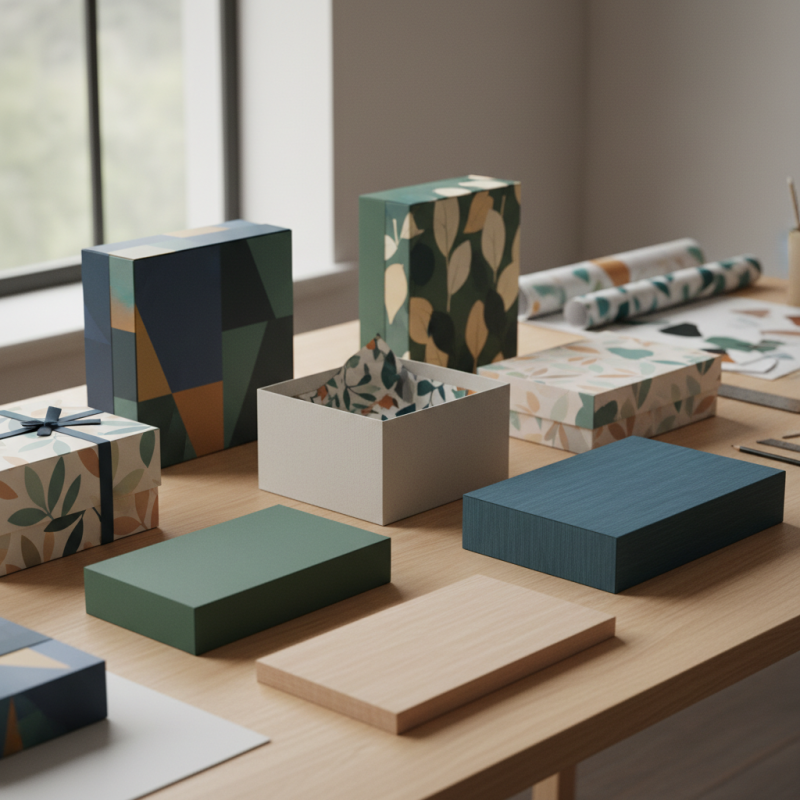
When creating custom printed boxes, understanding your packaging requirements is crucial. What products do you need to package? Determine the size and weight of your items. Small items require different dimensions than larger ones. Think about the materials too. Cardboard, kraft paper, or eco-friendly options could all be suitable. Each choice affects durability and cost.
Consider your branding objectives. How do you want the box to represent your business? Color, design, and printing style matter. A box that stands out can attract customers. Yet, ensuring your visuals align with your brand identity is vital. It might take some trial and error to get it right.
Reflect on the purpose of the packaging. Is it for protection, promotion, or both? A box that is too fragile may damage the product inside. On the other hand, an overly bulky design can be wasteful. Test prototypes to see how they perform during shipping. Remember, feedback is necessary for improvement. Each step helps you learn how to better meet your needs.
| Dimension | Material Type | Printing Technique | Purpose/Use |
|---|---|---|---|
| 10 x 8 x 4 inches | Kraft Paper | Flexographic Printing | Retail Packaging |
| 12 x 10 x 8 inches | Cardboard | Digital Printing | E-commerce Shipping |
| 6 x 6 x 6 inches | Corrugated Board | Lithographic Printing | Gift Packaging |
| 14 x 10 x 10 inches | Recycled Paper | Screen Printing | Subscription Box |
| 8 x 5 x 3 inches | Polyethylene | Offset Printing | Food Packaging |

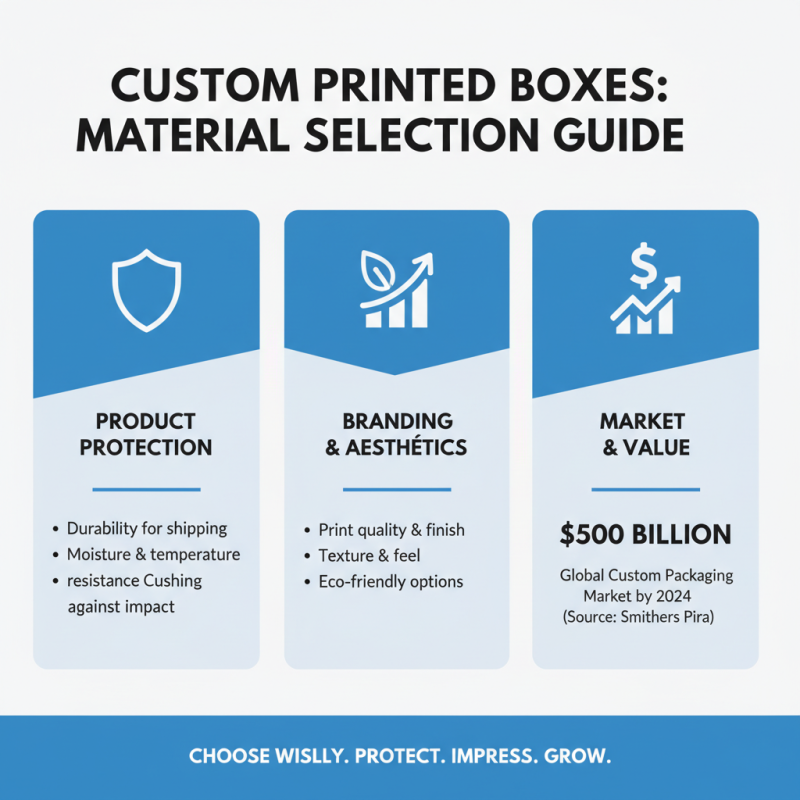
Choosing the right materials for custom printed boxes plays a crucial role in branding and product protection. According to a report by Smithers Pira, the global market for custom packaging is expected to reach $500 billion by 2024. This growth highlights the importance of selecting suitable materials that can withstand various shipping conditions while enhancing the aesthetic appeal of your products.
Cardboard is often the go-to choice for custom printed boxes due to its lightweight nature and recyclability. However, some businesses overlook the significance of material thickness. A box that is too thin may not offer adequate protection, resulting in damage during transportation. A study by PackTech found that about 30% of products are returned due to packaging failures. This reflects a need for careful material selection to avoid losses and maintain customer satisfaction.
In contrast, using plastic or metal materials can increase durability, but they may not align with eco-friendly values. Consumers are increasingly drawn to sustainable packaging. In fact, 72% of consumers say they would pay more for sustainable products. Balancing cost, aesthetics, and environmental impact presents a challenge. Therefore, reflecting on these aspects is essential for creating effective packaging solutions that resonate with your audience.
Creating custom printed boxes requires a keen eye for design. When it comes to branding, visuals play a pivotal role. According to a recent study by the Packaging Association, 72% of consumers say packaging design influences their purchase decisions. As such, incorporating high-quality graphics is essential for attracting attention.
Logos, colors, and fonts should reflect your brand's identity. It's crucial to choose imagery that resonates with your target audience. For instance, bold colors can evoke excitement, while softer tones may suggest elegance. Don't shy away from experimenting—it’s about striking the right balance between creativity and clarity.
**Tip:** Focus on a simple design. Sometimes, too much detail can overwhelm the viewer.
When creating graphics, avoid clutter. A clean layout enhances readability. Use your branding elements consistently to create a cohesive look. Remember, the goal is not just aesthetics; it’s about conveying your brand message effectively.
**Tip:** Test your designs with a small audience. Their feedback can reveal what works—and what doesn't.
Ultimately, understanding the nuances of graphic design can significantly impact your custom box's success. Be open to refining your approach based on customer responses. Embrace the learning curve; it’s part of the creative journey.
When creating custom printed boxes, selecting the right printing technique is essential. Digital printing is a popular choice for many businesses. It offers flexibility and quick turnarounds, perfect for short runs. However, the outcome may not always match expectations. Colors might appear different than anticipated.
Offset printing is another option. This technique provides high-quality images and vibrant colors. It's ideal for larger quantities. However, it involves higher setup costs. Some businesses may find it challenging to meet their budget. Not considering these factors can lead to unsatisfactory results.
Screen printing is a classic method. It works well for bold graphics and solid colors. Yet, it may lack detail for intricate designs. Overlooking the specific needs of your packaging can result in wasted resources. Make sure to evaluate your requirements carefully.
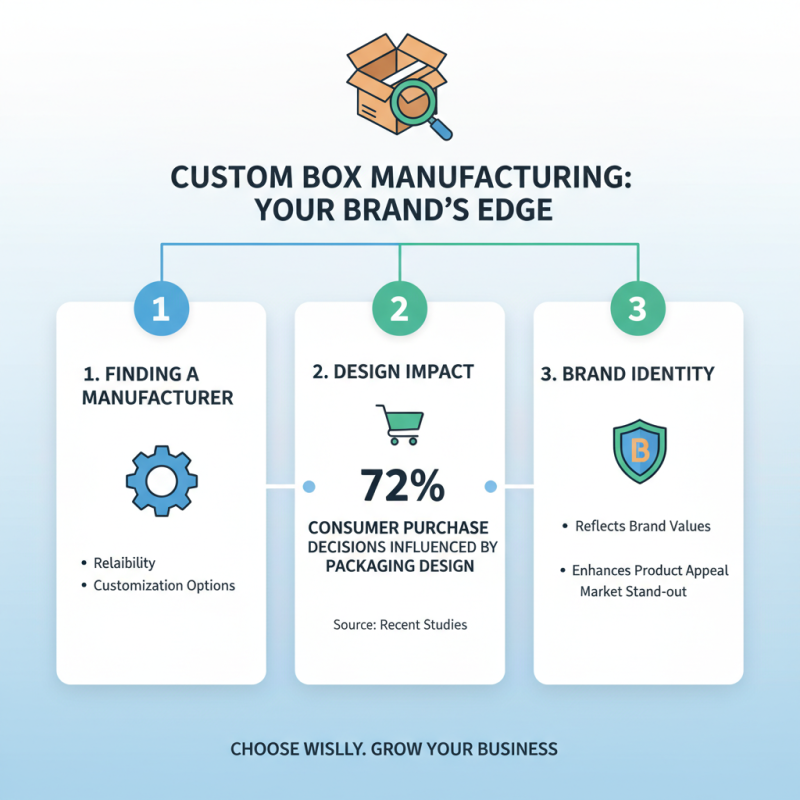
Finding a reliable manufacturer for custom box production is crucial for any business. A well-designed box enhances your product's appeal and ensures it stands out in the marketplace. According to recent studies, 72% of consumers say packaging design influences their purchasing decisions. Therefore, the right manufacturer can create packaging that reflects your brand's identity.
When choosing a manufacturer, consider their experience and capabilities. Are they equipped with modern technology? Look for companies that offer various materials and finishes to meet your needs. Reviews and testimonials from previous clients can provide insights into their reliability. It’s also wise to request samples. This helps you assess the quality firsthand.
**Tip:** Always discuss your budget upfront. Some manufacturers offer flexibility but may charge hidden fees. Transparent communication can lead to better pricing.
Not every manufacturer operates with the same level of craftsmanship. Some may rush orders, leading to inconsistencies in quality. This can create damage during shipping, impacting your brand's image. Evaluate potential partners carefully to avoid costly mistakes. An investment in a good relationship with your manufacturer will pay off, ensuring your boxes meet high standards consistently.
© 2025 Copyright. All rights reserved.

Magento Catalog Menu Widget by EMThemes Magento Themes & Magento Templates