What is CNC Machining and How Can It Improve Your Production?
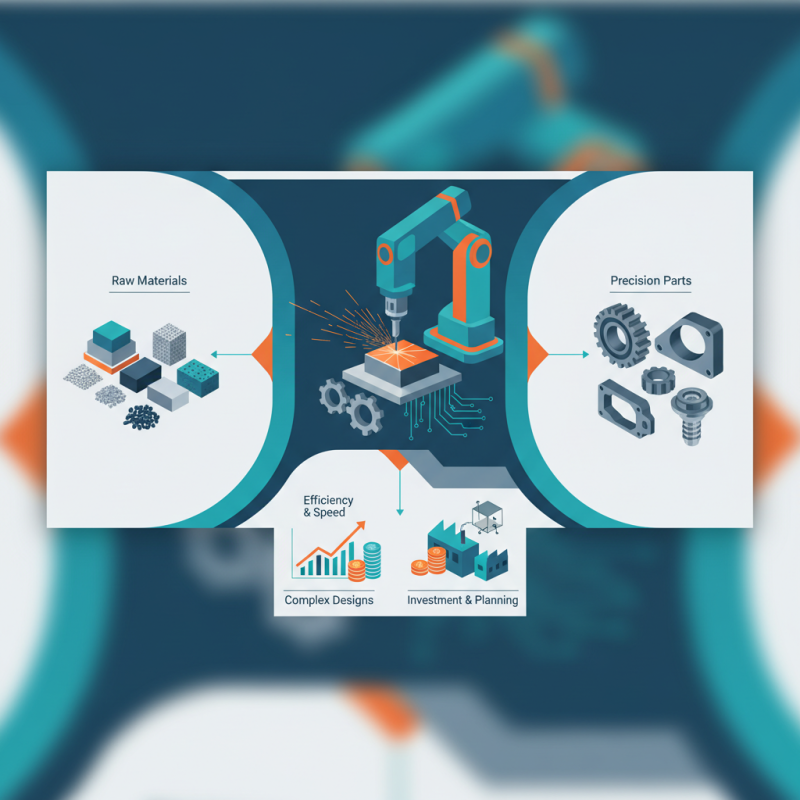
Cnc Machining is a vital process in modern manufacturing. It transforms raw materials into precise parts using automated tools. According to Dr. Emily Richter, a leading expert in CNC machining, “Efficiency in production can be dramatically enhanced through advanced CNC techniques.” This technique harnesses computer technology to ensure accuracy and speed.
The ability to create complex designs accurately sets CNC machining apart. Each component can be tailored to exact specifications, from intricate geometries to high-volume production runs. However, transitioning to CNC machining can pose challenges. Companies must invest in training and equipment costs, which may seem daunting.
Understanding these complexities is crucial. Businesses should carefully consider their production needs and capabilities. The benefits of CNC machining are significant, yet the implementation requires thoughtful planning. The balance between innovation and practicality often dictates success in this competitive landscape. Embracing CNC machining can lead to remarkable improvements in production, but it also demands reflection on current processes and goals.
Understanding CNC Machining: Definition and Basic Principles
CNC machining stands for Computer Numerical Control machining. This process enhances manufacturing efficiency through automation and precision. At its core, CNC machining uses computer programs to dictate the movement of machinery. With precise dimensions, parts can be produced faster than traditional methods. Industry reports show that CNC machining can increase production speeds by up to 50% compared to manual machining methods.
The technology behind CNC machining involves a set of principles. First, the use of CAD (Computer-Aided Design) software translates designs into a format machines can understand. This offers consistency that manual methods often lack. According to a recent study by the International Journal of Advanced Manufacturing Technology, companies that adopted CNC machining saw a reduction in waste by 30%. However, integrating this technology requires a skilled workforce that is familiar with both computer programming and machinery operation. This presents a challenge for many manufacturers.
CNC machines can produce complex geometries. Yet, the setup time can be significant, affecting short-run production. Additionally, while CNC machining is efficient, it may not be economical for all products, especially those needing low volumes. Balancing the benefits and challenges of CNC machining is crucial for manufacturers aiming for long-term improvement in production.
CNC Machining Production Efficiency by Year
This bar chart illustrates the improvement in CNC machining production efficiency over the years from 2019 to 2023. As shown, there has been a steady increase in efficiency, showcasing the benefits of adopting CNC machining technologies in production processes.
The Role of CNC Machining in Modern Manufacturing Processes
CNC machining plays a pivotal role in modern manufacturing. This technology automates the production of precise components. It utilizes computer-controlled machines to cut, shape, and form materials. The accuracy of CNC machining reduces errors in production. This leads to better quality products. Companies can achieve tight tolerances that manual methods may struggle with.
Despite its benefits, there are challenges. Initial setup can be time-consuming and costly. Skilled operators are necessary for programming and maintenance. As with any technology, keeping up with advancements is crucial. A company that neglects continuous training might fall behind competitors. Moreover, adopting CNC technology may require significant workflow changes. This transition period can lead to temporary dips in productivity. Addressing these issues is crucial for long-term success in manufacturing.
What is CNC Machining and How Can It Improve Your Production?
| Process Type | Main Materials | Applications | Advantages | Cost Savings |
| CNC Milling | Aluminum, Steel, Plastic | Aerospace, Automotive | High Precision, Versatile | Reduction in Material Waste |
| CNC Turning | Brass, Stainless Steel | Manufacturing Components | High Efficiency, Less Setup Time | Lower Labor Costs |
| CNC Laser Cutting | Metal Sheets, Wood | Signage, Furniture | Clean Cuts, Minimal Finishing | Reduced Processing Time |
| CNC Waterjet Cutting | Stone, Glass | Architecture, Art | No Heat Affected Zone, Flexible | Less Material Loss |
Key Advantages of CNC Machining for Production Efficiency
CNC machining stands out for its efficiency and precision. One key advantage is improved production speed. Machines can operate continuously, reducing downtime. This leads to faster turnaround times for projects, allowing businesses to meet tight deadlines.
Cost savings are another significant factor. CNC machining minimizes waste by optimizing material use. Precise cuts lead to fewer errors, which can save both time and money. However, the initial investment in CNC technology might be a barrier. Some smaller businesses may hesitate due to cost.
Flexibility in design is crucial. CNC machines can handle complex shapes that manual methods struggle with. Yet, not all designs translate perfectly. Some aspects may require revision after initial production. Adapting designs based on practical outcomes is essential for improvement. Embracing this process can refine production efficiency over time.
Industry Statistics: CNC Machining's Impact on Cost Reduction and Precision
CNC machining plays a pivotal role in modern manufacturing. It enhances precision and reduces costs significantly. According to recent industry statistics, businesses that adopt CNC machining experience an average cost reduction of 20-30%. This impressive statistic highlights how automation and precision manufacturing can optimize production processes.
Moreover, CNC machines minimize waste through accurate material usage. They precisely cut and shape materials, which increases efficiency. Studies show that companies leveraging CNC technology see a 50% reduction in scrap materials. Such figures indicate not just cost savings but also a positive environmental impact.
However, transitioning to CNC technology requires substantial investment. Companies must weigh the upfront costs against long-term benefits. While many businesses report success, challenges still exist. Employee training is essential to fully harness CNC capabilities. Some organizations struggle with integrating new machines into existing workflows. Continual learning and adaptation are vital for maximizing CNC machining benefits. These reflections reveal that while CNC machining offers significant advantages, careful planning and execution are necessary for success.
Future Trends in CNC Machining: Innovations and Technological Advancements
CNC machining is evolving rapidly. Innovations in automation and software are transforming this field. Companies are adopting artificial intelligence to optimize processes. Smart machines now analyze data in real-time, enhancing accuracy. This not only improves efficiency but also reduces waste.
Tips: Focus on integrating AI to streamline workflows. Invest in training for your team to utilize new technologies effectively.
Another trend is additive manufacturing's role in CNC. This hybrid approach offers new opportunities for complex designs. It allows for faster prototyping and customization. However, transitioning to these advanced methods can present challenges. Businesses must remain adaptable and prepared for a learning curve.
Tips: Consider running pilot projects before a full-scale implementation. Engage with experts who can guide you through the process. Stay updated on industry changes to maintain a competitive edge.


