How to Choose the Best Packaging Boxes for Your Business Needs
Choosing the best packaging boxes for your business needs is a critical decision that can significantly impact your brand's presentation and functionality. According to Sarah Johnson, a renowned expert in the packaging industry, "The right packaging not only protects your product but also enhances the customer's unboxing experience." This wisdom underscores the importance of selecting packaging boxes that align with your brand identity while also serving practical purposes.
When evaluating options for packaging boxes, businesses must consider various factors such as material, size, and design. The packaging not only needs to withstand handling and transportation but also reflect the quality and values of the brand. With a myriad of choices available, understanding the specific needs of your product and target audience is essential in making an informed decision. The right packaging boxes can elevate your product's appeal and ensure customer satisfaction, ultimately contributing to the overall success of your business.

Understanding Different Types of Packaging Boxes Available in the Market
When selecting the right packaging boxes for your business, understanding the different types of available packaging options is crucial. The market offers a diverse range of packaging solutions tailored to various industries and requirements.
For instance, corrugated boxes are highly favored due to their strength and versatility, making them ideal for shipping goods across various sectors.
According to a Smithers report, the global corrugated packaging market is projected to reach
$200 billion by 2025, driven by the rising demand for sustainable packaging solutions.
This underscores the importance of selecting materials that not only maintain product integrity during transit but also align with
sustainability goals.
Another popular option is rigid boxes, which provide a premium unboxing experience and are often used for high-end products.
These boxes are constructed from thick paperboard and offer superior protection, making them suitable for delicate items such as electronics or luxury goods.
In fact, the market for rigid boxes is expected to reach a valuation of over
$30 billion by 2024, as brands increasingly prioritize aesthetics and consumer experience.
It is essential for businesses to analyze the type of product they are packaging and the target audience, allowing them to choose a box type that enhances branding while effectively securing the product.
Additionally, flexible packaging has gained significant traction, particularly in the food and beverage industry.
This type of packaging is lightweight, offers a longer shelf life, and is often more cost-effective.
A report by Grand View Research stated that the flexible packaging market is anticipated to surpass
$500 billion by 2027, highlighting its growing popularity.
By understanding these diverse packaging options, businesses can strategically select the most suitable boxes that meet their operational needs and customer expectations.
Assessing Your Business Needs and Product Specifications
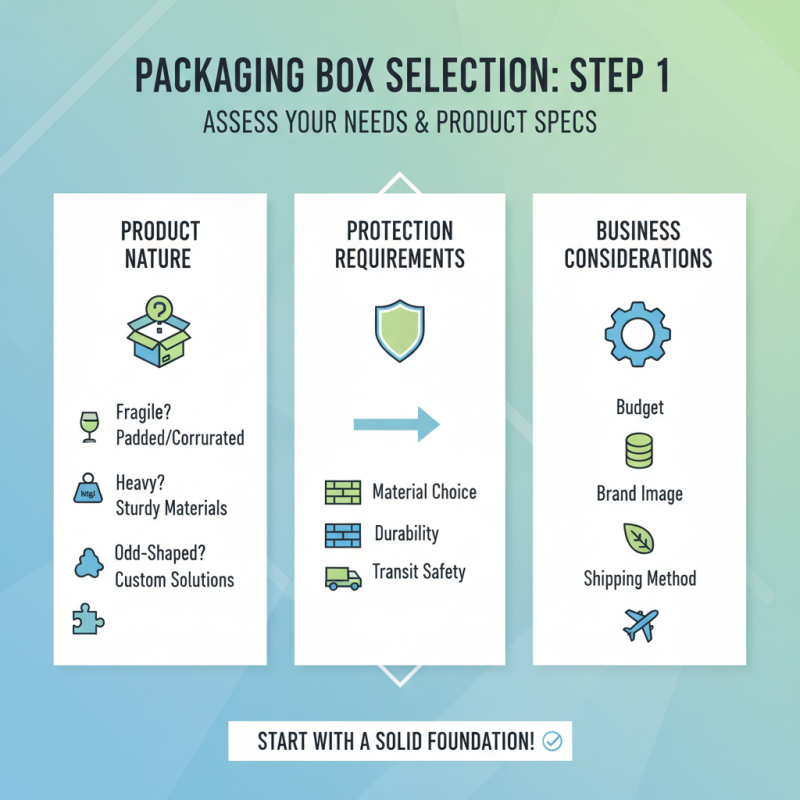
When selecting packaging boxes, the first step is to thoroughly assess your business needs and product specifications. Start by evaluating the nature of your products. Are they fragile, heavy, or oddly shaped? Understanding the characteristics of your items will guide you in choosing materials that provide adequate protection. For instance, fragile items may require padded or corrugated boxes to prevent damage during transit, while heavy products might need sturdier materials to support their weight without compromising integrity.
Next, consider how the packaging aligns with your branding and customer experience. The design, color, and overall aesthetics of the packaging can significantly impact first impressions. Additionally, think about practicality; will the packaging be easy to open for customers? Is it eco-friendly, which can resonate with a growing audience that values sustainability? Balancing practicality with branding ensures your packaging not only protects the product but also enhances the customer's unboxing experience, fostering brand loyalty and repeat business.
Comparing Materials: Cardboard, Plastic, and Eco-Friendly Options
When selecting packaging boxes for your business, understanding the materials available is crucial. Cardboard is often the go-to choice for many companies due to its versatility, affordability, and ease of printing. It provides sufficient protection for a variety of products while being lightweight, which helps reduce shipping costs. Moreover, cardboard is recyclable, making it a popular option for businesses looking to minimize their environmental footprint.
Plastic packaging has gained traction in industries requiring durability and water resistance. It offers an excellent barrier against moisture and can be designed in various shapes and sizes. While plastic can be more expensive than cardboard, it is reusable and often more robust, making it suitable for long-term storage or shipping items that need extra protection. However, concerns over environmental impact have led many to reconsider this option unless it’s recyclable or made from recycled materials.
Eco-friendly options are becoming increasingly popular as businesses strive to adopt sustainable practices. These materials, such as biodegradable plastics or compostable options, cater to environmentally conscious consumers and help improve brand image. Although they may come at a premium compared to traditional packaging materials, the long-term benefits, including consumer goodwill and compliance with environmental regulations, make them an attractive choice for businesses aiming for sustainability.
Evaluating Cost vs. Quality in Packaging Solutions
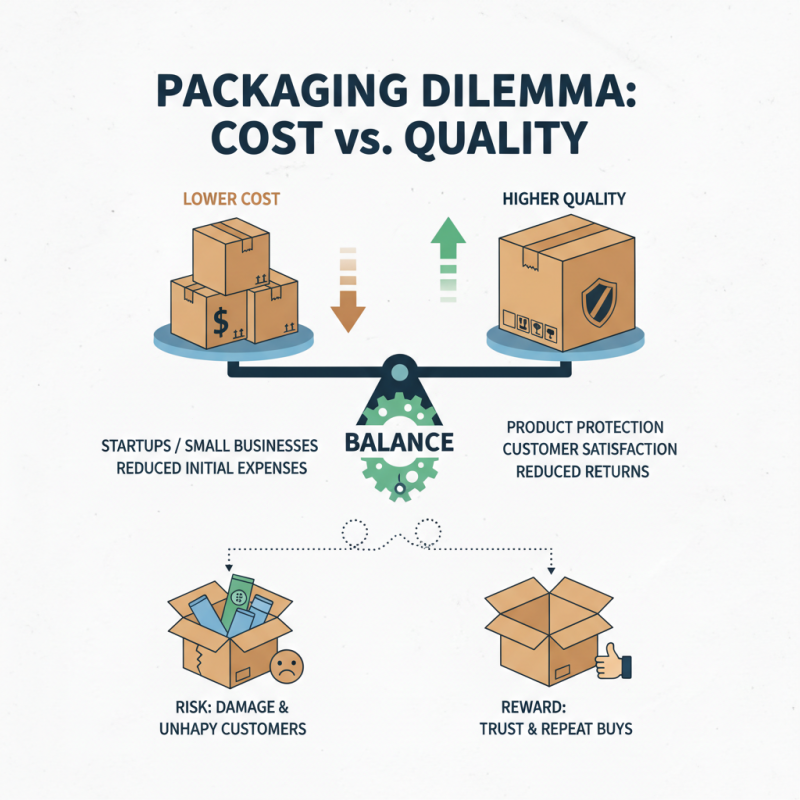
When selecting packaging boxes for your business, balancing cost and quality is crucial. On one hand, lower-cost packaging solutions can significantly reduce your initial expenses, making them an appealing option for startups or small businesses operating on tight budgets. However, it's essential to consider whether these cost savings might compromise the overall quality of your packaging. Poor-quality boxes may lead to product damage during transit, increase return rates, and ultimately diminish customer satisfaction.
On the other hand, investing in high-quality packaging can enhance your brand's reputation and provide a better unboxing experience for customers. Well-constructed packaging not only protects your products more effectively but can also create an impression of professionalism and care. When evaluating costs versus quality, it's important to assess your specific business needs—consider how your packaging aligns with your brand identity, your target market’s expectations, and the types of products you offer. Finding the right balance between affordability and quality is key to ensuring that your packaging solutions are not only cost-effective but also capable of supporting your business's long-term success.
Customizing Packaging for Branding and Customer Experience
Customizing packaging is essential for enhancing branding and improving customer experience. When selecting packaging boxes, businesses should consider how the design, colors, and materials can reflect their brand identity. Unique packaging that aligns with a company's values not only attracts the eye but also communicates the brand's story to its customers.
For instance, eco-friendly materials can convey a commitment to sustainability, while luxurious finishes can enhance perceived value for premium products.
Additionally, the unboxing experience plays a crucial role in customer satisfaction. Thoughtfully designed packaging that is easy to open yet secure can make a lasting impression. Including personalized notes or branded inserts can further enhance this experience, creating a connection between the brand and the customer. Effective packaging should not only protect the product but also engage consumers, making them feel valued and appreciated.
Therefore, businesses should prioritize customization options that resonate with their target audience, ultimately fostering brand loyalty and encouraging repeat purchases.