- About Us
- Privacy Policy
- Shipping and Returns
- Terms and Conditions
- Custom Quotation
- Sample Pack
- Contact Us
- Blogs
© 2025 Copyright. All rights reserved.

In the highly competitive world of confectionery, the significance of effective chocolate boxes packaging cannot be overstated. According to a recent report by the Global Chocolate Packaging Market, the industry is projected to grow at a CAGR of 4.5% until 2027, underscoring the critical role that innovative and appealing packaging plays in attracting consumers. The right choice in packaging can not only enhance product visibility but also contribute to sustainability efforts, which are increasingly important to today's eco-conscious consumers.
Expert in packaging solutions, Dr. Sarah Williams, a leading figure in the chocolate packaging sector, emphasizes, "The aesthetics and functionality of chocolate boxes packaging directly influence consumer behavior. Brands that invest in high-quality packaging are often perceived as more premium, which can lead to increased brand loyalty." As businesses strive to differentiate themselves, understanding the nuances of chocolate boxes packaging becomes essential. With options ranging from customizable designs to sustainable materials, selecting the right packaging is a critical decision that can ultimately enhance a brand’s reputation and profitability.
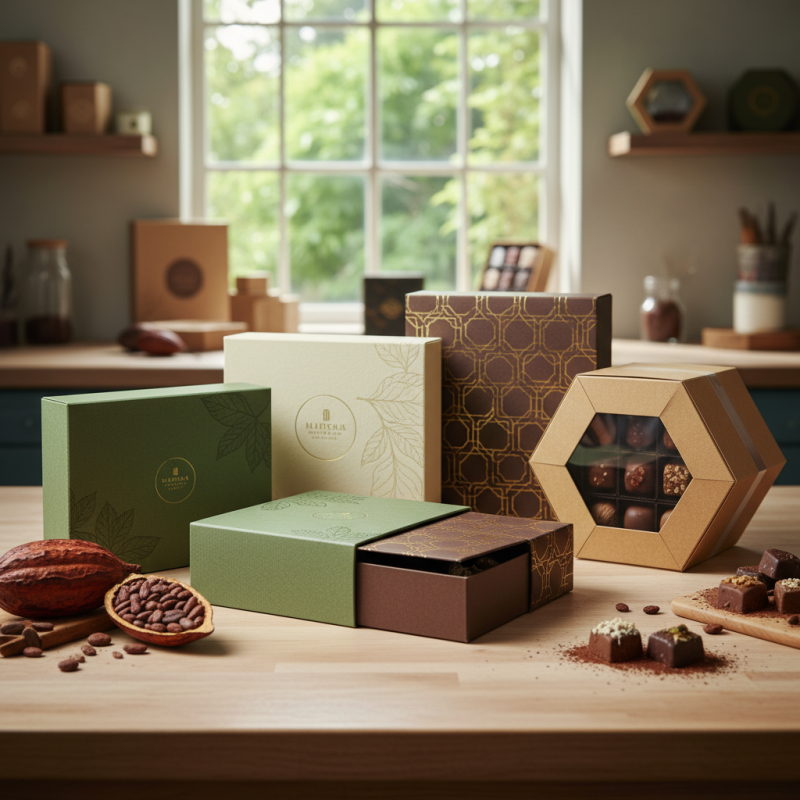
In the competitive landscape of the chocolate industry, packaging plays a crucial role in conveying quality and brand identity. Consumers often make snap judgments based on a product's exterior, making it essential for chocolate businesses to invest in appealing packaging. Well-designed packaging not only protects the chocolate from damage but also serves as a canvas for effective marketing. It creates a first impression and can influence purchasing decisions, making it imperative for businesses to understand their target market and incorporate elements that resonate with them.
Moreover, packaging provides an opportunity to communicate the brand's story and values, enhancing customer experience. Environmentally friendly packaging options, for instance, can attract eco-conscious consumers and distinguish a brand from its competitors. Thoughtful packaging design can also address practical needs, such as freshness and convenience, ensuring that the chocolate remains in perfect condition until it reaches the consumer. Ultimately, investing in high-quality packaging is a strategic move that can lead to increased sales and customer loyalty in the chocolate business.

When selecting chocolate box packaging for your business, several key factors should be considered to ensure your products not only look appealing but also remain protected during transportation. First, focus on the material of the packaging. Opt for sturdy, eco-friendly materials that can maintain the quality of the chocolate while also appealing to environmentally conscious consumers. Kraft paper, cardboard, and biodegradable options are becoming increasingly popular for chocolate packaging.
Another crucial element is the design of the packaging. It's essential to create a visual identity that reflects your brand's values and attracts customers. Incorporate vibrant colors, unique shapes, and eye-catching graphics that will stand out on the shelf. Furthermore, think about the functionality of the packaging. Ensure that it is easy to open and resealable if possible, allowing customers to enjoy the chocolates at their leisure.
A pro tip is to prioritize customization. Offering personalized packaging can enhance the customer experience and make your products memorable. Consider limited edition releases or seasonal designs that excite consumers and encourage them to purchase. In doing so, you can create a lasting impressions while aligning with trends in the chocolate market.
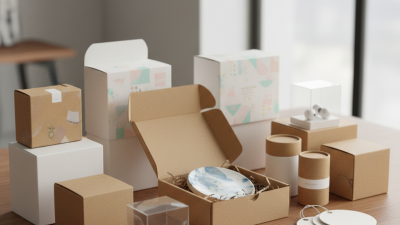
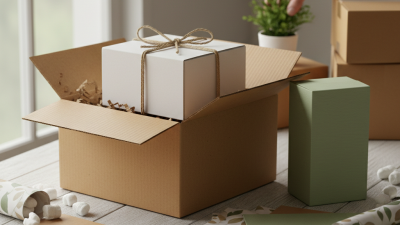
When selecting packaging for chocolate boxes, the choice of materials plays a crucial role in both presentation and preservation. Cardboard is one of the most popular options, owing to its versatility and cost-effectiveness. It can be easily printed on, allowing for attractive designs that enhance branding. Moreover, cardboard offers a decent level of protection against external elements, keeping the chocolates safe during transit. For added durability, choosing kraft cardboard can be beneficial, as it provides a rustic look while being eco-friendly.
Another excellent material for chocolate box packaging is rigid stock or paperboard. This type of packaging conveys a sense of luxury and quality, making it ideal for premium chocolates. Rigid boxes are sturdy and can be customized to various shapes and sizes, ensuring the chocolates remain secure and beautifully displayed. Additionally, there are options for finishing touches such as gloss or matte lamination, which can elevate the aesthetic appeal and protect the surface from wear and tear. These finishes not only enhance the unboxing experience but also safeguard the chocolates from moisture and humidity.
Lastly, consider using biodegradable materials for a more sustainable approach. Materials like compostable films or recycled cardboard significantly reduce environmental impact and appeal to eco-conscious consumers. Incorporating such options into your chocolate box packaging can help your brand stand out in a crowded market while promoting a commitment to sustainability. As consumers increasingly prioritize environmentally friendly products, adopting these materials can strengthen your brand's reputation and customer loyalty.
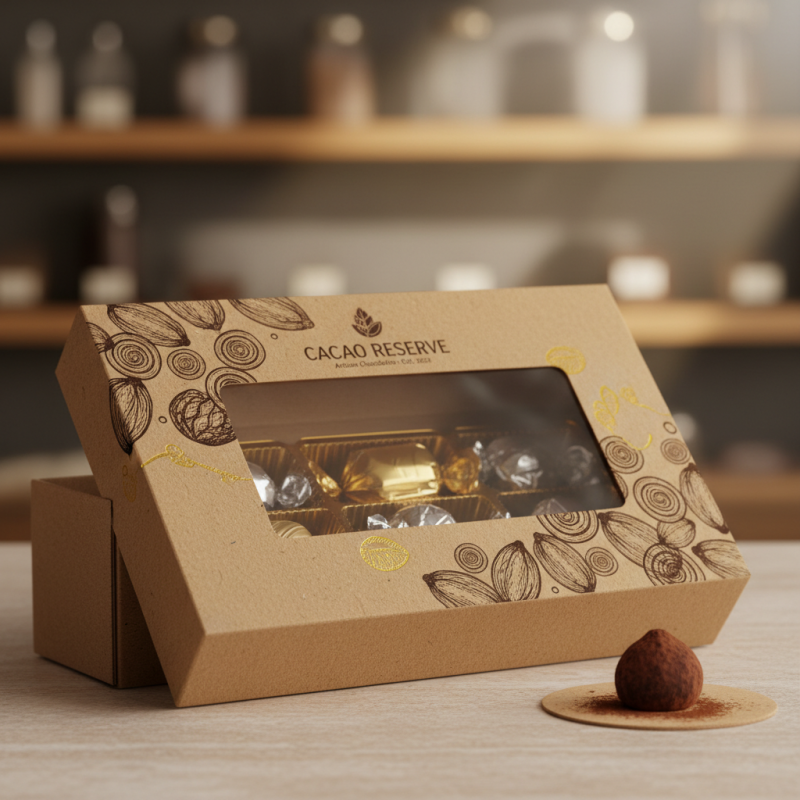
When it comes to chocolate packaging, design elements play a critical role in enhancing the overall appeal of your product. Using colors that evoke indulgence, such as rich browns and golds, can attract customers seeking a premium experience. Additionally, incorporating unique textures, such as matte finishes or embossed patterns, adds a tactile dimension that invites consumers to engage with the packaging.
One of the best tips for effective chocolate box packaging is to focus on clear and appealing visuals. Ensure your packaging design features high-quality images of the chocolates inside, emphasizing their textures and ingredients. This visual representation can entice customers and encourage them to choose your product over competitors. Another effective strategy is to include clear branding elements that convey your brand’s identity while maintaining an elegant presentation.
Moreover, paying attention to the shape and structure of your packaging can significantly enhance its appeal. Innovative shapes can stand out on shelves, while functional designs may enhance the customer experience, such as easy-open features or reusable containers. Custom inserts can also be considered to hold chocolates securely, making them visually appealing as well. All these design elements come together to create a memorable unboxing experience, fostering brand loyalty and repeat purchases.
| Design Element | Importance | Recommended Material | Color Suggestions | Consumer Appeal |
|---|---|---|---|---|
| Box Shape | Enhances visibility and uniqueness | Recyclable cardboard | Pastels and bright colors | Attracts attention, stands out |
| Window Feature | Showcases product and freshness | Transparent PET | Soft white or golden hues | Increases purchase likelihood |
| Artwork & Branding | Strengthens brand identity | Matte or glossy paper | Rich, bold colors | Creates emotional connection |
| Size and Capacity | Meets customer needs | Durable cardboard | Earthy tones for organic products | Ideal for gifting |
| Closure Type | Ensures product safety | Tuck-end or magnetic closure | Neutral colors for sophistication | Provides a premium feel |
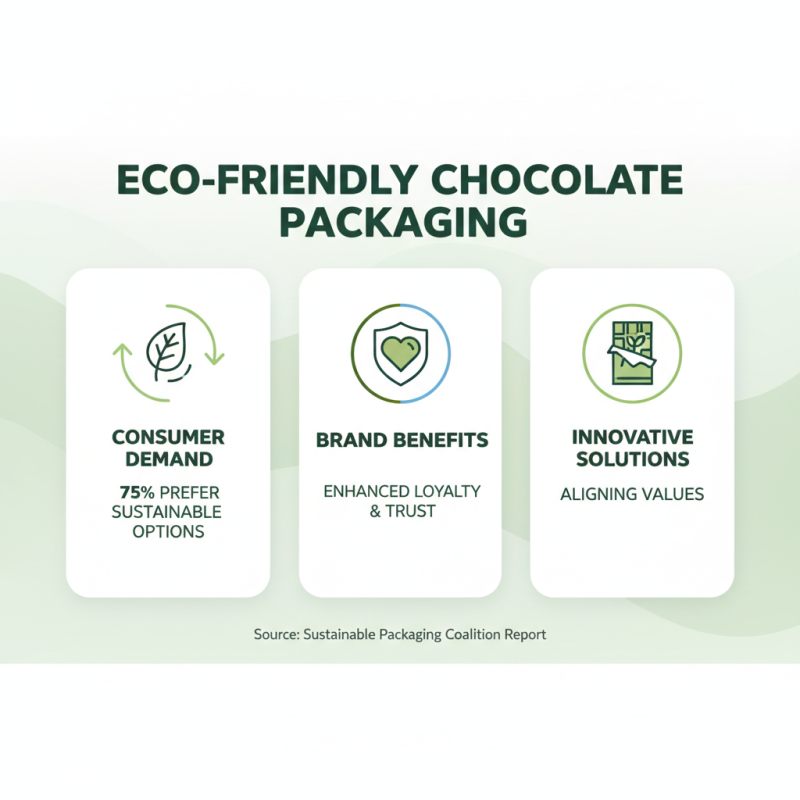
As the demand for sustainable products continues to rise, eco-friendly chocolate brands are seeking innovative packaging solutions that align with their values. A recent report from the Sustainable Packaging Coalition highlights that nearly 75% of consumers prefer to purchase products in sustainable packaging, showcasing the importance of this shift in the market. Choosing the right sustainable packaging not only meets consumer expectations but also enhances brand loyalty and trust.
When selecting packaging for chocolate products, brands should consider materials that are biodegradable or recyclable. According to a study published by Research and Markets, the global eco-friendly packaging market is projected to reach $800 billion by 2027, indicating a significant opportunity for brands that adopt sustainable practices. Options such as compostable film, recycled paper, and plant-based containers can effectively reduce environmental impact while maintaining the aesthetic appeal that chocolate packaging demands.
Furthermore, transparency in sourcing and material usage can greatly influence consumer perception. A survey by Nielsen revealed that 66% of global consumers are willing to pay more for sustainable brands, emphasizing the financial viability of investing in sustainable packaging options. By prioritizing eco-friendly materials and clearly communicating their benefits, chocolate brands will not only contribute to environmental preservation but also position themselves favorably within a competitive market landscape.
© 2025 Copyright. All rights reserved.

Magento Catalog Menu Widget by EMThemes Magento Themes & Magento Templates