How to Choose Eco Packaging Boxes for Your Business?

As businesses increasingly focus on sustainability, eco packaging boxes have emerged as a crucial component. According to a recent report by Smithers Pira, the global market for sustainable packaging is expected to reach $1 trillion by 2027. This shift reflects a growing consumer demand for environmentally friendly options.

John Roberts, a leading expert in sustainable packaging solutions, emphasizes, "Choosing eco packaging boxes is not just a trend; it's a necessity for future business viability." Companies must consider various factors when selecting eco packaging boxes to meet both regulatory standards and customer expectations. Preferences for recycled materials and compostable options are rising. Yet, many brands still struggle to balance cost with environmental impact.

In this evolving landscape, understanding the principles of eco-friendly packaging is essential. Consumers are more informed than ever, and they expect brands to reflect their values. Sustainability isn’t just an add-on; it’s becoming integral to brand identity. Therefore, careful selection of eco packaging boxes is critical for maintaining relevance and trust in today's market.
How to Choose Eco Packaging Boxes for Your Business?

Understanding Eco Packaging: Definition and Importance

How to Choose Eco Packaging Boxes for Your Business?

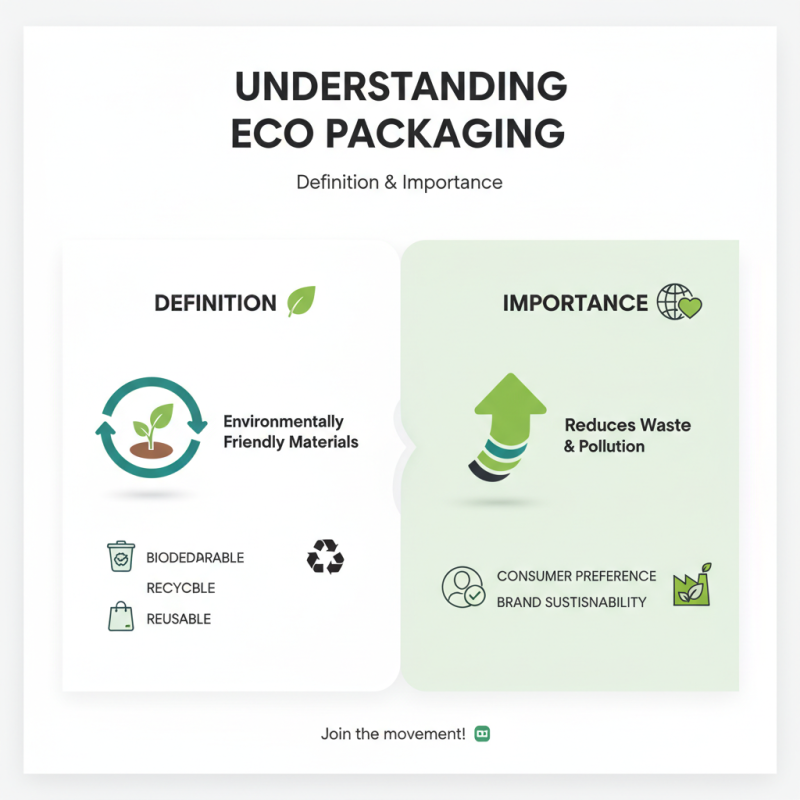
Eco packaging is more than just a trend; it’s a necessity. Understanding its definition is crucial. Eco packaging refers to materials that are friendly to the environment. This often includes biodegradable, recyclable, or reusable options. The importance of using eco-friendly materials in packaging cannot be overstated. They help reduce waste and pollution. Many consumers today prefer brands that prioritize sustainability.

Choosing the right eco packaging involves careful consideration. It’s not just about being green; it’s about matching your brand’s values. The packaging should protect your products while also being sustainable. For instance, paper-based materials may be suitable for dry goods, but a protective layer might be needed for liquids. This balance requires a thoughtful approach.

Moreover, the perception of eco packaging can vary. Some people might not see the value in it. There are challenges in sourcing materials that are both eco-friendly and cost-effective. Businesses must navigate these issues. It’s essential to remain open to feedback and adjust strategies when necessary. Eco packaging can positively impact the environment, but it must be implemented correctly.
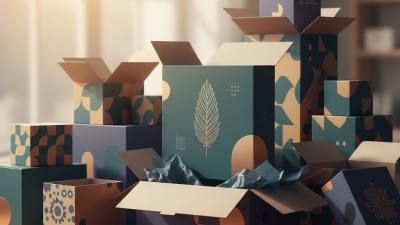
Types of Eco-Friendly Materials for Packaging Boxes

How to Choose Eco Packaging Boxes for Your Business?

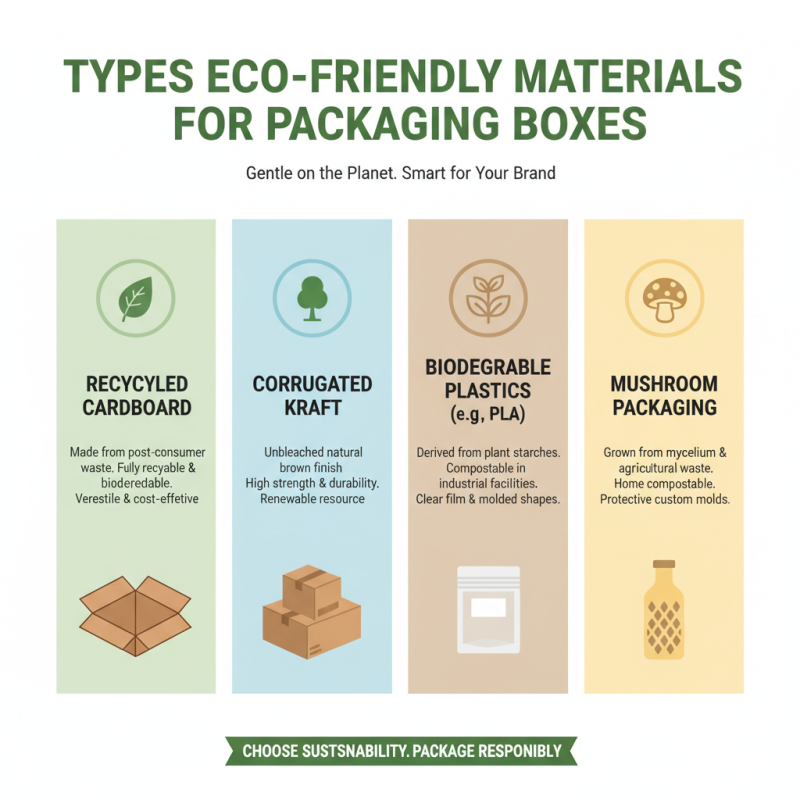
When picking eco-friendly packaging boxes, understanding the materials is crucial. Several types of eco-friendly materials can meet your packaging needs while being gentle on the planet.

Recycled cardboard is a popular choice. It's strong, lightweight, and fully recyclable. Many businesses love this material because it reduces waste. However, the quality can vary. Ensure that your source meets high standards. You may also consider biodegradable options. These boxes break down naturally, reducing landfill impact. Look for options made from plant-based materials like corn starch or sugarcane. Check for certifications to verify their claims.

When choosing materials, remember to assess their durability. Some eco-friendly options may not hold up under heavy products. Test a small batch before committing. Also, consider the aesthetic appeal of your packaging. Attractive designs can enhance your brand image. Don't forget to think about your customer's experience with unboxing. It's essential for making a lasting impression.

Key Factors to Consider When Choosing Eco Packaging

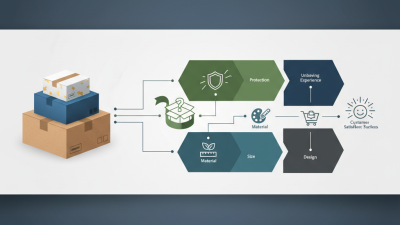
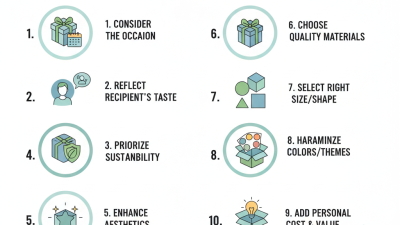
Choosing eco-friendly packaging boxes for your business involves several considerations. Material is key. Look for biodegradable options like cardboard or recycled paper. These materials break down more easily in landfills. Avoid plastics. They take centuries to decompose. Consider the box's durability as well. Stronger boxes can reduce damage during shipping, saving resources in the long run.

Sustainability is essential. Assess the sourcing of materials. Are they from responsibly managed forests? Certifications can indicate high standards. Also, think about the packaging's lifecycle. How will customers dispose of it? If it can be reused or recycled, that’s a win. Transparency is crucial. Be open about your packaging choices. Customers value honesty regarding environmental impact.

Lastly, design matters. Aesthetic appeal can enhance customer experience. However, this shouldn’t come at the cost of sustainability. Sometimes, companies overprioritize looks and forget about eco-friendliness. Balance beauty and responsibility to create an effective solution. Regularly revisiting your choices will ensure you stay on a sustainable path. It’s an ongoing journey, not a one-time decision.

Evaluating the Cost-Effectiveness of Eco Packaging Solutions

When evaluating the cost-effectiveness of eco packaging solutions, the initial investment often raises concerns. A report from the Sustainable Packaging Coalition states that 64% of consumers are willing to pay more for sustainable products. This willingness can help businesses offset higher upfront costs. Eco-friendly packaging can also reduce waste disposal expenses.

However, not all eco packaging is created equal. Some materials may require additional resources for production. It’s crucial to analyze the lifecycle of packaging options. Using biodegradable materials can lead to substantial savings in waste management costs. A study found that companies integrating eco solutions could save up to 38% in overall expenses over time.

Ultimately, balancing cost with environmental impact is essential. Tracking the effectiveness of eco packaging can be challenging. Metrics like customer feedback and return rates should be monitored closely. Businesses must also remain agile, adapting to shifting consumer preferences and regulatory landscapes. In this evolving market, there is always room for growth and reflection on packaging choices.

How to Choose Eco Packaging Boxes for Your Business? - Evaluating the Cost-Effectiveness of Eco Packaging Solutions

Packaging Type Material Cost per Unit ($) Recyclability Durability
Kraft Paper Box Kraft Paper 0.50 Yes High
Biodegradable Mailer PLA Film 0.30 Yes Medium
Recycled Cardboard Box Recycled Cardboard 0.40 Yes High
Plant-Based Packing Peanuts Starch 0.10 Yes Medium
Cornstarch Bags Cornstarch 0.25 Yes Low

Tips for Sourcing and Suppliers for Eco Packaging Boxes

When sourcing eco packaging boxes for your business, it’s important to consider the materials used. Look for suppliers that offer biodegradable or recyclable options. These materials not only reduce waste but also appeal to environmentally-conscious consumers. Investigate their sourcing practices. Ethical sourcing ensures that the materials come from sustainable sources, which is crucial for maintaining credibility.

In addition to materials, evaluate the supplier's production methods. Do they use eco-friendly technologies? Are their processes energy-efficient? These factors can significantly impact your brand's environmental footprint. Some suppliers may promote green initiatives, but verify their claims. Request certifications that prove their commitment to sustainability.

Another consideration is the design and customization options. Unique packaging increases your product's shelf appeal. However, ensure that any custom designs still meet eco-friendly standards. Test the boxes with real products to assess their durability. Striking a balance between aesthetics and functionality is essential. Choosing the right supplier can enhance your brand image and make a positive impact on the environment.

Magento Catalog Menu Widget by EMThemes Magento Themes & Magento Templates