How to Choose the Best Small Packaging Boxes for Your Needs?
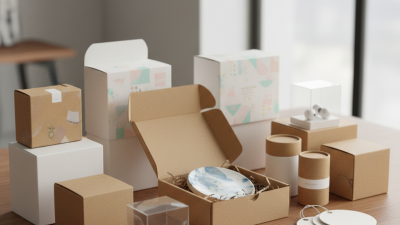
When it comes to packaging, choosing the right small packaging boxes can make a significant difference. These boxes are essential for protecting products, enhancing presentations, and ensuring efficient storage. Selecting the best option requires understanding your specific needs and preferences.
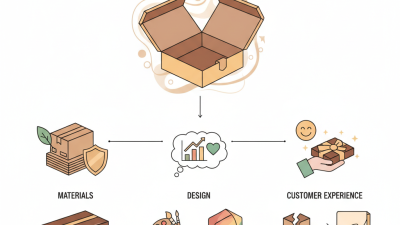
A variety of materials and sizes are available for small packaging boxes. Cardboard, rigid, and eco-friendly options each offer unique benefits. Your choice will depend on the items you need to pack and their visual appeal. For instance, a delicate item may require a sturdier box to prevent damage during shipping.
Consider the appearance of the box, too. A well-designed box can attract customers and improve their unboxing experience. However, it's essential to acknowledge that not every box will fit every purpose. Sometimes, trial and error may be necessary to find the perfect solution. Take your time and weigh your options carefully to achieve the best result for your packaging needs.

Factors to Consider When Choosing Small Packaging Boxes
When selecting small packaging boxes, several factors come into play.
Material choice is crucial. Cardboard, for instance, is the most commonly used material.
According to a 2022 packaging report, around 60% of small boxes are made from recycled cardboard.
This not only supports sustainability but also protects products effectively.
Size is another essential factor. Many businesses overlook the importance of a proper fit.
Too much space can lead to product movement and potential damage. In contrast, a snug fit saves shipping costs.
A 2021 study showed that companies optimized their packaging sizes, reducing material by 25%.
This highlights the significance of accurate measurements in ensuring efficiency.
Design also matters. Creative designs can enhance customer experience. According to industry experts,
70% of consumers believe that packaging design influences their purchase decisions.
However, while aesthetics are important, it’s necessary to balance them with functionality.
Reflecting on these factors can refine your packaging choices. Ultimately, thoughtful selection can lead to
cost savings and improved customer satisfaction.
Types of Small Packaging Boxes: A Comprehensive Overview
When selecting small packaging boxes, understanding the types available is crucial. These boxes vary in style, material, and purpose. For example, corrugated boxes are sturdy and ideal for shipping. They protect contents well, making them a popular choice. Another option is rigid boxes, often used for luxury items. Their strength adds a touch of elegance.
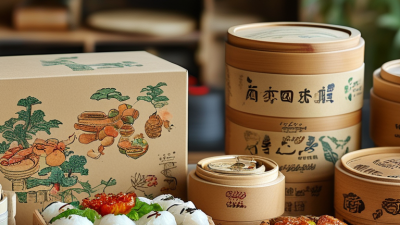
Kraft paper boxes are a versatile option. They are eco-friendly and can be customized with prints. These boxes are suitable for food, gifts, or small products. However, consider the weight of your items when choosing. Not every box will suit every need. It’s important to ensure the packaging can hold your products securely.
A common oversight is ignoring box dimensions. Boxes that are too large can lead to damaged items. Packing peanuts or bubble wrap may not suffice in every case. Additionally, think about how your packaging reflects your brand. A thoughtful choice in box type and design can enhance customer experience. Reflect on your choices to ensure your packaging supports your overall goals.
Types of Small Packaging Boxes
This chart represents the different types of small packaging boxes based on their popularity and usage in various industries.
Understanding the Impact of Material on Packaging Quality
Choosing the right material for small packaging boxes is crucial. The material impacts durability, aesthetics, and functionality. Common materials include cardboard, plastic, and metal. Each has its unique characteristics and uses. For instance, cardboard is lightweight and cost-effective. It is ideal for shipping goods. On the other hand, plastic offers moisture resistance. This can be crucial for perishable items.
When selecting packaging materials, consider the product type. Heavy items require sturdy materials. Fragile items benefit from cushioning. Tips to keep in mind:
Evaluate your product's size and weight.
This helps in selecting the right thickness of the box. Think about how the package will be stored or transported. Will it face rough handling? If so, opt for stronger materials.
It's essential to reflect on your choices. Sometimes, the most appealing packaging may not provide the necessary protection. A simple box design can be more effective than an ornate one.
Value and function should guide your decision-making. Ultimately, the right material enhances your product's appeal while ensuring safety during transit.
Cost-Effectiveness: Balancing Budget and Quality in Packaging Choices
When choosing small packaging boxes, balancing cost and quality is essential. High-quality packaging protects your products. However, it is important not to overspend. Finding packing solutions that align with your budget can be a challenge.
Tips for staying cost-effective include researching materials. Cardboard is often sturdier and cheaper than plastic options. Consider bulk purchasing. Buying in larger quantities can result in discounts. Look for local suppliers to reduce shipping costs. This strategy keeps expenses low while ensuring quality.
Remember, less expensive boxes might compromise your product's safety. Choosing poorly made packaging could lead to damages. Sometimes, a slightly higher investment ensures better protection. Evaluate your items carefully. The right packaging not only saves costs but also enhances your brand image.
Sustainability in Packaging: Eco-Friendly Options for Small Boxes
In today's eco-conscious world, sustainability in packaging is vital. Small packaging boxes can be made from various eco-friendly materials. Recycled cardboard is a popular choice. It reduces waste and is widely available. Biodegradable materials, like plant-based plastics, offer another option. These reduce pollution and often break down more easily than traditional plastics.
When choosing small packaging boxes, consider the environmental impact. Look for boxes labeled as eco-friendly. Understanding the packaging lifecycle is important. Some materials might seem sustainable, but their sourcing can be harmful. Avoid choices that don’t prioritize long-term sustainability.
Tips: Always check the certifications. These ensure the materials are genuinely eco-friendly. Opt for minimal packaging design. Reducing excess material helps the environment. Test different box sizes to avoid waste. A box that’s too large leads to more waste and higher shipping costs.
How to Choose the Best Small Packaging Boxes for Your Needs? - Sustainability in Packaging: Eco-Friendly Options for Small Boxes
| Box Type |
Material |
Recyclable |
Biodegradable |
Common Applications |
| Mailing Boxes |
Recycled Cardboard |
Yes |
Yes |
Shipping, E-commerce |
| Gift Boxes |
Kraft Paper |
Yes |
Yes |
Gift Packaging, Retail |
| Folding Cartons |
Bleached Paperboard |
Yes |
No |
Food Packaging, Consumer Goods |
| Rigid Boxes |
Cardstock |
Yes |
No |
Luxury Goods, Electronics |
| Eco-Friendly Boxes |
Recycled Paper |
Yes |
Yes |
Various, Sustainable Products |