How to Choose the Best New Label Materials for Your Business?
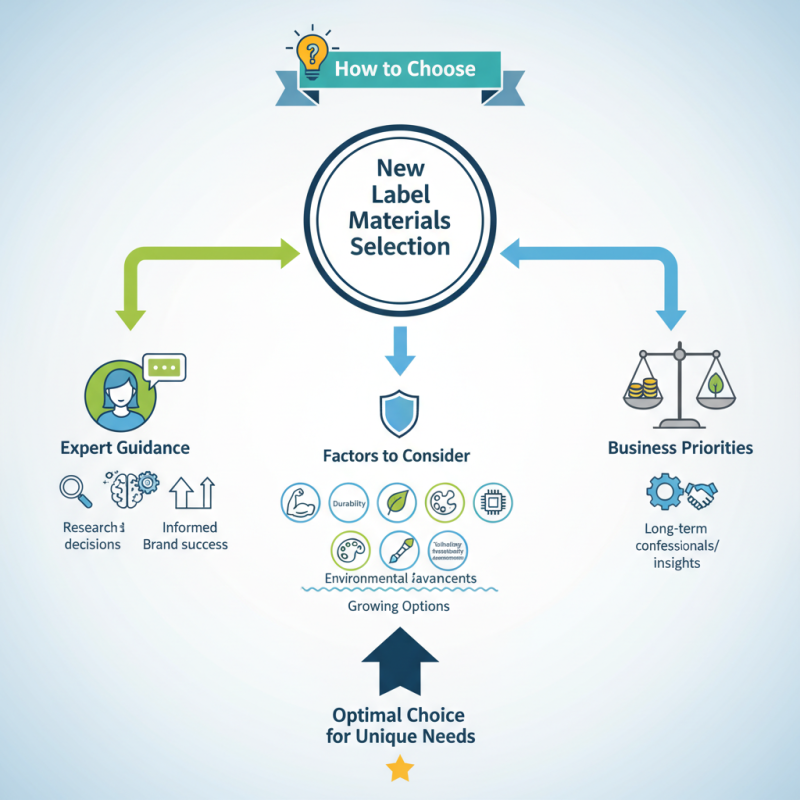
When it comes to selecting the right New Label Materials, having expert guidance is invaluable. Lisa Tran, a leading expert in label solutions, emphasizes, "Choosing the right materials can define the success of your brand." This statement highlights the importance of making informed decisions in the label market.
Navigating through various options can be overwhelming. New Label Materials offer a wide range of benefits, but not all are suitable for every business. Understanding the specific needs of your products is crucial. Factors such as durability, environmental impact, and design trends play a significant role in your choice. With advancements in technology, the variety of options continues to grow, making it essential to stay updated on industry innovations.
However, challenges exist. Businesses must reflect on their priorities. Are they focused on sustainability or cost-effectiveness? Each decision can have long-term consequences. It’s important to weigh these aspects carefully. Engaging with industry professionals can provide deeper insights and help in making the best choices for your unique needs in New Label Materials.
Understanding the Importance of Label Materials for Your Business
Selecting the right label materials is critical for your business’s success. Labels serve as the first point of contact with customers. They communicate important information about your product. According to industry reports, around 70% of consumers base their purchase decisions on packaging and labeling. This emphasizes the need for effective label materials.
Different materials offer distinct benefits. For example, synthetic options like polypropylene are durable and water-resistant. These materials can withstand tough conditions. In contrast, paper labels can be more cost-effective but may lack durability. A study found that nearly 40% of product returns are due to poor labeling. This shows how crucial the right material choice is for your brand's reputation.
Reliability in label materials ensures your product's information remains intact. Missing or faded labels can lead to confusion. In fact, a recent analysis found that 30% of consumers experienced difficulty understanding product ingredients due to inadequate labeling. Choosing quality materials not only enhances visibility but also builds trust with your customers. Investing in the right labels is an investment in your brand's credibility.
Identifying Different Types of Label Materials Available
Choosing the right label materials is crucial for your business. Understanding the types available can guide you. There are various label materials, each catering to different needs. Paper labels are common and cost-effective. They work well for short-term use. However, they may not hold up in wet conditions.
Plastic labels offer improved durability. They can withstand moisture and chemicals. Common types include polyester and polypropylene. A recent industry report indicated that labels made from these materials have a longer lifespan. They are suitable for products that require a robust label.
Vinyl labels are another option. They are flexible and often used for custom applications. According to industry data, vinyl labels align with branding needs effectively. They offer customization and vibrant colors. However, not every business needs such materials. It’s important to analyze your specific requirements carefully. Consider the environment where your products will be displayed. This reflection can lead to more informed decisions.
How to Choose the Best New Label Materials for Your Business? - Identifying Different Types of Label Materials Available
| Label Material Type | Main Features | Common Applications | Durability | Cost |
| Paper | Easy to print, biodegradable | Shipping labels, product packaging | Low | Low |
| Vinyl | Waterproof, tear-resistant | Outdoor signage, bumper stickers | High | Medium |
| Polyester | Chemical, UV resistant | Industrial labels, electronics | Very High | High |
| Polypropylene | Moisture resistant, lightweight | Food packaging, beverage labels | Moderate | Medium |
| Bopp | High clarity, printable | Cosmetics, personal care products | High | Medium to High |
Evaluating Durability and Environmental Resistance of Labels
When choosing label materials, durability and environmental resistance are crucial. Labels face various conditions, from moisture to UV exposure. It's essential to assess how materials will perform over time.
Consider the environment your labels will encounter. Will they be exposed to extreme temperatures or chemicals? Choosing the right material ensures they stay intact and legible. Some materials might fail under specific circumstances, leading to reprints or application issues.
Tips:
- Test labels in real-world conditions. This can reveal weaknesses not visible during initial selection.
- Ensure materials comply with environmental standards. This increases credibility and shows your commitment to sustainability.
Incorporating feedback from users can highlight areas needing improvement.
Reliability is key for label performance. Don't overlook the importance of a trial period for new materials.
Assessing Cost-Effectiveness and Budget Considerations
When assessing label materials, cost-effectiveness plays a crucial role in decision-making. Industry reports indicate that raw material prices can fluctuate significantly. This volatility affects overall production costs. Businesses should remember that cheaper materials may lead to higher long-term costs due to durability issues. For instance, a study from the Labeling Industry Global Market Report reveals that investing in quality materials often results in fewer replacements.
Budget considerations require a thorough analysis of all factors. A recent analysis found that companies spend an average of 10% of their budgets on labeling. It’s critical to allocate resources wisely. In some cases, premium materials, while higher in upfront costs, yield better customer satisfaction and engagement. Quality labels enhance brand perception, thus justifying the expense.
Evaluating supplier options is yet another layer of complexity. Reliable suppliers typically offer valuable insights into material performance and cost trends. According to a 2022 survey, 75% of businesses prefer working with suppliers who provide transparent pricing and material specifications. Inconsistent supplier communication can lead to unexpected expenses in the production cycle. By emphasizing a structured approach to budgeting and supplier relationships, businesses can make informed decisions for sustainable growth.
Selecting the Right Label Material Based on Your Industry Needs
Choosing the right label material is crucial for your industry. Different sectors have unique requirements. For instance, food packaging needs materials that resist moisture and contaminants. In contrast, retail labels must attract consumers and endure various handling conditions.
Consider specific factors when selecting materials. The environment plays a role. Does your product face extreme temperatures? If so, look for heat-resistant materials. If your labels require printing, ensure compatibility with your printer's technology. Some label materials may smudge or fade under certain conditions. Testing samples before bulk ordering is wise.
Another aspect to evaluate is your product's shelf life. If products are short-lived, invest in temporary labels. For long-term items, durability is key. Adhesives can vary widely, impacting longevity. Some might peel off over time. Ensure that the chosen adhesive matches your industry standards. Creativity is essential, but practicality should always be a priority.
Label Material Preference by Industry
This chart shows the preference of different label materials among various industries. The data reflects common choices based on durability, cost, and application suitability.


