

- About Us
- Privacy Policy
- Shipping and Returns
- Terms and Conditions
- Custom Quotation
- Sample Pack
- Contact Us
- Blogs
© 2025 Copyright. All rights reserved.

Choosing the right laminated FIBC bag can significantly impact your operations. According to industry expert Sarah Chen, "Selecting the right material ensures product safety and efficiency." She emphasizes the importance of understanding your specific needs.
Laminated FIBC bags are known for their durability and resistance to moisture. Depending on the application, features like UV protection or static electricity prevention could be critical. Not all bags serve every purpose. The specifics of your materials and conditions matter greatly; knowing them can lead to better choices.
Evaluate your needs carefully before deciding. Think about the weight, contents, and storage conditions. An imperfect choice might lead to unnecessary costs or product loss. Research, ask experts, and compare options. A well-informed decision on a laminated FIBC bag can enhance your logistics process and contribute to business success.
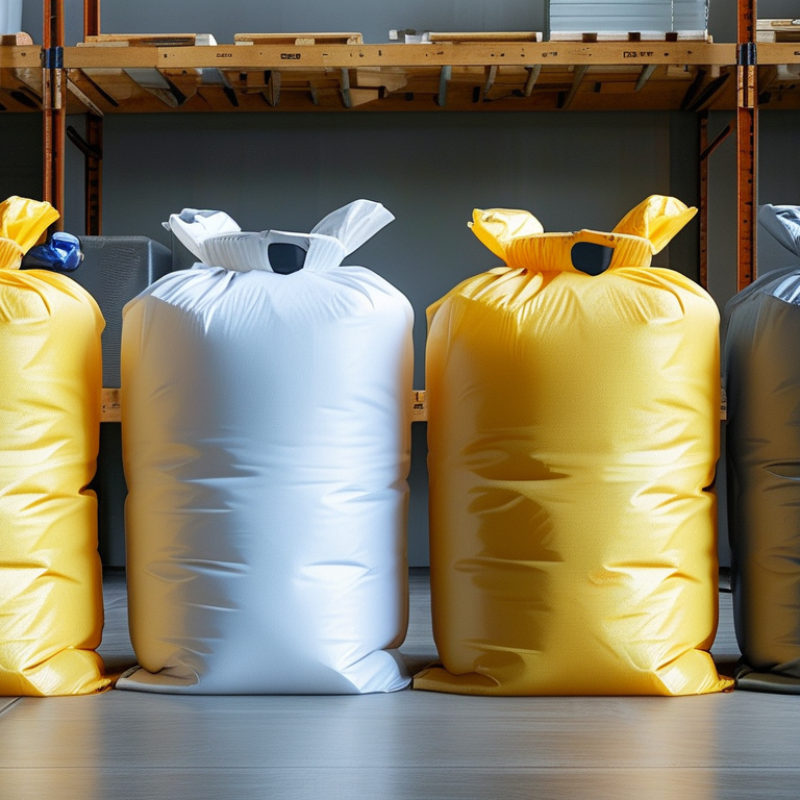
Laminated FIBC bags, also known as Flexible Intermediate Bulk Containers, are essential in various industries. They offer durability and moisture resistance. Understanding the basics can guide you in choosing the best option for your needs. According to industry reports, the global FIBC market is expected to grow by 5% annually through 2026, driven by rising demand across sectors.
These bags are made from woven polypropylene, coated with a layer of polyethylene. This lamination provides extra strength and protects contents from moisture and UV rays. Over 70% of users report improved shelf life for products stored in laminated FIBC bags. Additionally, they are lightweight yet capable of holding up to 2,000 kg of bulk materials.
However, selecting the right laminated FIBC bag can be complex. There are various types, such as conductive, standard, and bulk bags, each with specific applications. It is crucial to assess the intended use and compatibility with your materials. Failing to do so can lead to supply chain disruptions. The industry lacks standardized regulations, making it vital to verify the bag specifications with manufacturers.
| Features | Description | Applications | Load Capacity | Dimensions |
|---|---|---|---|---|
| Waterproof | Protects contents from moisture | Food products, chemicals | 500 kg | 90x90x110 cm |
| UV Resistant | Prevents degradation from sunlight | Outdoor storage | 1000 kg | 100x100x120 cm |
| Conductive | Designed for hazardous materials | Electronics, powdered metals | 750 kg | 85x85x100 cm |
| Custom Length | Tailored sizes for specific needs | Construction, agriculture | 1500 kg | Variable dimensions |
| Reinforced | Extra durable for heavy loads | Heavy industrial use | 2000 kg | 110x110x130 cm |
When choosing the best laminated FIBC bag, first identify your specific needs. Different industries require different specifications. For instance, a report by Smithers Pira indicates that the demand for FIBC bags is projected to grow by 5% annually through 2025. Understanding this growth can help tailor your selection process.
Consider the material and design. Laminated FIBC bags offer moisture resistance and added strength. Research from the Flexible Packaging Association reveals that 40% of manufacturers prioritize moisture-proof packaging. Knowing whether your product is sensitive to moisture can guide your decision significantly.
Additionally, weight capacity is crucial. FIBC bags come in various capacities, typically ranging from 500 kg to 2000 kg. An industry analysis shows that improperly choosing the weight limit can lead to 30% increased shipping costs. While it may seem simple, calculating your load accurately is important. Reflecting on your needs will ensure you maximize efficiency while minimizing costs in the long run.
When selecting laminated FIBC bags, evaluating material quality and construction is crucial. Laminated fabric provides a protective barrier against moisture and dust. It also enhances the bag's durability. However, not all materials are created equal. Check the weight and thickness of the fabric. A heavier fabric often indicates higher strength. Thin materials may save costs but could compromise safety during transport.
The construction of the bag matters as well. Look for reinforced stitching and well-designed seams. Poor stitching can lead to failures, especially under heavy loads. Inspect the bag for uniformity and consistency in shape. Any irregularities might suggest inferior craftsmanship. Consider how the bag will be used. Bags designed for hazardous materials need stringent quality controls. Reflect on the specific requirements of your industry.
Despite these guidelines, not every bag will meet all expectations. Testing a sample bag before large orders can help. Every company has unique needs, and what works for one may not work for another. Prioritize feedback from users to better assess the bag’s performance in real-world conditions. This reflective approach can save you from costly mistakes later.
When selecting a laminated FIBC bag, assessing size and load capacity is critical. The right dimensions ensure effective storage and transport of materials. A bag that is too small can lead to overloading. However, if it is oversized, you may waste valuable space and resources.
Consider the weight and nature of the materials you plan to store. Different materials have varying density levels. Knowing the weight per unit volume helps you choose a bag that meets your load capacity needs. Additionally, the construction of the bag plays a role. Think about the type of handling the bag will undergo. Will it be stacked? How about transportation methods? These factors will influence the appropriate size and strength of the bag.
Pay attention to details such as the bag's fill and discharge features. These contribute to efficiency. Improperly sized openings can complicate loading and unloading. It’s essential to evaluate whether the design suits your operations. A common oversight is to overlook the interplay between size and capacity. This can lead to unexpected challenges in usage. Adjusting your criteria based on past experiences can lead to better decisions in the future.
When evaluating FIBC bags, cost-effectiveness is crucial. A low price often seems appealing but could lead to complications. Cheaper bags may lack durability, which can increase overall costs. It’s important to calculate the total cost of ownership, not just the initial purchase price. This includes considering the bag's lifespan and performance during transport.
Supplier options are another important factor. A reputable supplier ensures compliance with industry standards. Research their background and customer reviews. A reliable supplier will provide appropriate documentation and certifications. Communication is vital; prompt responses can indicate their professionalism. Consider local suppliers as well; they might offer better shipping options and support.
Yet, even the best choices aren't without challenges. Materials may not always perform as expected. Variations in production can occur, leading to inconsistencies. Stay open to feedback and be willing to adjust your selections based on real-world performance. It's essential to monitor the performance of bags regularly. A proactive approach can save costs and enhance efficiency over time.
© 2025 Copyright. All rights reserved.

Magento Catalog Menu Widget by EMThemes Magento Themes & Magento Templates
