

- About Us
- Privacy Policy
- Shipping and Returns
- Terms and Conditions
- Custom Quotation
- Sample Pack
- Contact Us
- Blogs
© 2025 Copyright. All rights reserved.

Choosing the perfect Perfume Bottle for your brand is crucial. A perfume bottle is not just a container; it's an extension of your identity. The right design can attract attention and convey your brand's essence.
Consider how the shape, color, and material will reflect your fragrance. Unique designs can stand out on crowded shelves. However, be wary of complexity. Often, simpler designs resonate better with customers. Think about functionality, too. An easy-to-use bottle enhances the customer experience. Ultimately, a perfume bottle should tell a story. It should communicate quality and allure.
In this process, reflect on the balance between creativity and practicality. A stunning bottle can impress, but it must also meet consumer expectations. Never underestimate the impact of a well-thought-out design on your brand's success.
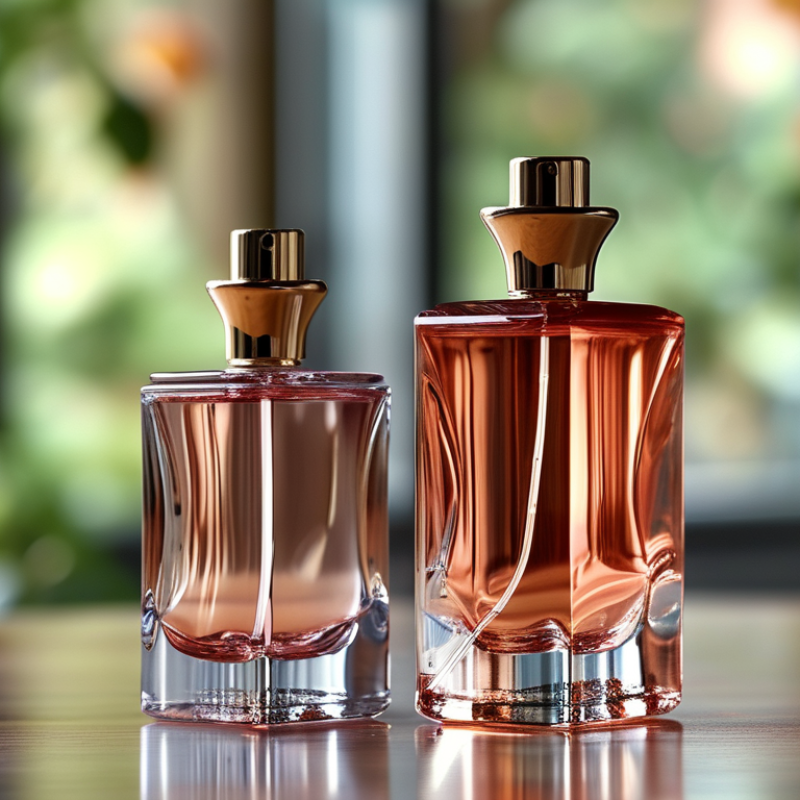
Choosing the right perfume bottle design is crucial for brand identity. A well-designed bottle not only attracts customers but also communicates the essence of the fragrance. Studies show that 70% of purchase decisions are based on visual aesthetics. Brands must carefully consider materials like glass versus plastic. Glass evokes luxury, while plastic can suggest practicality. But plastic might not resonate with high-end customers.
The shape of a bottle speaks volumes. Unique silhouettes can set a brand apart. According to a market analysis by The Fragrance Foundation, innovative designs can lead to a 30% increase in sales. However, some designs fail to be functional. A stunning bottle can lose its appeal if it’s hard to hold or use.
Color and label design also play a significant role. The psychology of color matters; for instance, blue can convey trust, while gold implies luxury. But, brands must avoid overwhelming customers with too many colors. Striking the right balance enhances brand recognition. Brands sometimes overlook environmental impact, which consumers increasingly care about. Sustainable options may attract environmentally conscious buyers but can pose higher production costs.
When choosing a perfume bottle, the material plays a crucial role in branding. Glass, plastic, metal, and eco-friendly options all convey different messages about a brand. A study by The Fragrance Foundation revealed that over 60% of consumers consider the bottle design important. This highlights how crucial material selection is in creating a lasting impression.
Glass is often favored for its premium look. It reflects luxury and quality. However, it's prone to breakage. On the other hand, plastic is lightweight and less fragile, but it may convey a less upscale image. Metal can add a sleek, modern touch, yet it may not resonate with all consumers. Additionally, sustainable materials are increasingly in demand, with 45% of consumers willing to pay more for eco-friendly packaging.
Consider these tips when selecting your bottle material: Aim for a design that matches your brand’s identity. If luxury is your game, prioritize glass. For practicality, plastic may serve you best. Engage potential customers early. Gather feedback on potential designs. This can help refine your choices and align your product with market expectations. Remember, the right material can enhance the overall perception of your fragrance.
| Material | Advantages | Disadvantages | Impact on Branding |
|---|---|---|---|
| Glass | Premium feel, excellent for luxury brands. | Fragile, heavier weight. | Creates a perception of quality and sophistication. |
| Plastic | Lightweight, shatterproof, cost-effective. | Less perception of luxury. | Ideal for casual or youth-focused brands. |
| Aluminum | Eco-friendly, lightweight, modern appearance. | Can be perceived as less luxurious than glass. | Great for eco-conscious brands or contemporary styles. |
| Ceramic | Unique designs, heavy and sturdy. | More expensive to produce. | Artistic appeal, suitable for niche markets. |
Choosing the right size and shape for your perfume bottle significantly impacts consumer perception. A sleek, tall bottle can convey elegance. Round, soft shapes often suggest comfort and approachability. Visual elements like these shape purchase decisions even before the fragrance is experienced.
Viewing the bottle as part of the fragrance experience is essential. An oversized bottle may suggest luxury but might alienate consumers seeking practicality. Meanwhile, a minimalist design can signify sophistication but may lack the emotional resonance some consumers desire. Brands must understand what their target audience values.
Reflecting on these factors is crucial. Does the design authentically represent your fragrance? Is your bottle's practicality considered? Sometimes, a beautiful bottle may not be functional. Balancing visual appeal with usability requires thoughtful consideration.
This chart illustrates consumer preferences for different sizes of perfume bottles, showcasing that medium sizes are the most preferred among consumers, followed by large and small sizes.
When selecting a perfume bottle, custom labeling and branding play vital roles. The bottle is an extension of your fragrance. A well-designed label conveys a story. It reflects your brand’s identity and ethos.
Consider experimenting with textures and colors. A matte finish can evoke sophistication, while bold colors grab attention. Ensure your label material resists smudging and fading; this enhances longevity and keeps your branding intact. Focus on the shape of the bottle too. Unique forms can create intrigue and make a product stand out.
Tips: Use legible fonts and avoid clutter. Ample white space allows the design to breathe. Think about including a story on the back label. Customers appreciate authenticity and connection. Always seek feedback on your designs. Sometimes, what you think is perfect might need tweaks. Embrace imperfections; they often lead to innovation and unique branding solutions.
The perfume industry is evolving, with sustainability taking center stage. Many brands are shifting to eco-friendly packaging. This change is pivotal to attract conscious consumers. They seek products that reflect their values.
Innovative materials are now being used in bottle design. Recycled glass and biodegradable plastics are popular choices. These materials lower environmental impact without compromising aesthetics. Some brands experiment with refillable options, encouraging repeated use. It’s an effective way to minimize waste.
However, challenges remain in the perception of quality. Many still associate heavy glass with luxury.
Designers must find a balance between beauty and sustainability. It’s not just about looks; functionality matters too. A well-designed bottle should be easy to refill and recycle. While sustainability is important, it can be complex to implement. Brands may struggle with sourcing materials responsibly. They need to ensure reliability in their supply chains. Reflecting on these challenges is crucial for meaningful progress.
© 2025 Copyright. All rights reserved.

Magento Catalog Menu Widget by EMThemes Magento Themes & Magento Templates
