Why Choose FIBC Bulk Bags for Your Packaging Needs?
In the rapidly evolving packaging industry, FIBC Bulk Bags stand out as a versatile choice for various applications. According to recent market research by Smithers Pira, the global demand for these bags is projected to grow significantly, with an annual increase of 5% over the next five years. This growth reflects their practicality and efficiency in transporting bulk materials. Industry expert Dr. John Roberts, a leading researcher in packaging solutions, states, "FIBC Bulk Bags offer unmatched durability and flexibility, making them indispensable in modern logistics."
FIBC Bulk Bags are designed to handle a wide range of products, from agricultural grains to construction materials. Their ability to withstand heavy loads and harsh environments is crucial for many businesses. However, some companies still face challenges in selecting the right type of bulk bag. The variety can be overwhelming, and not every bag is suitable for all applications. An informed choice is essential to avoid potential losses.
As the market shifts towards sustainability, FIBC Bulk Bags are increasingly made from recyclable materials. This shift raises questions about the future of packaging and its environmental impact. Companies need to reflect on their choices and consider the long-term benefits of using FIBC Bulk Bags in a responsible manner.
Advantages of FIBC Bulk Bags in Modern Packaging Solutions
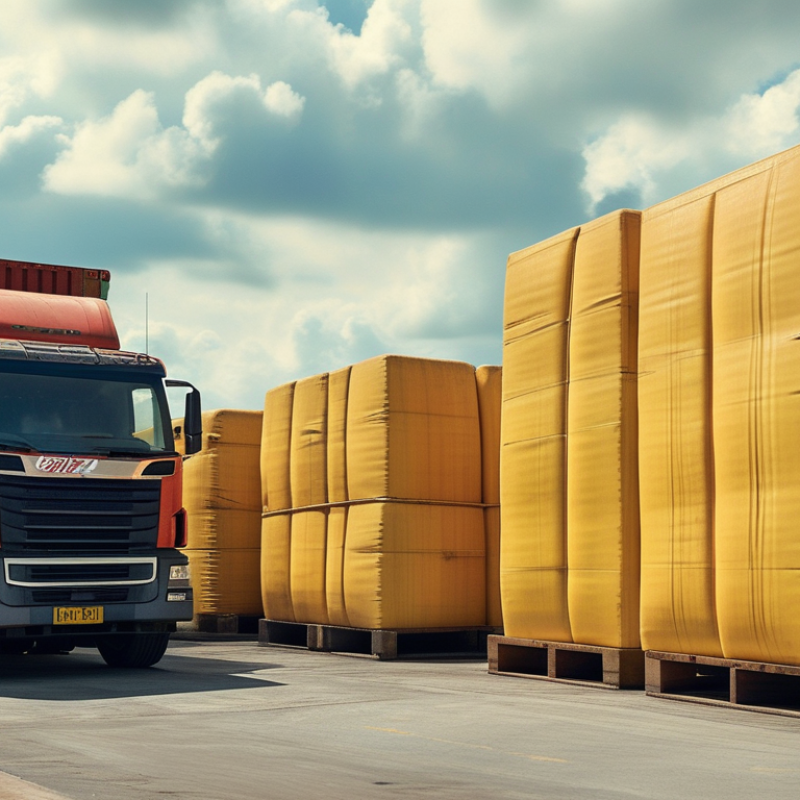
FIBC bulk bags have gained popularity in various industries. They offer a range of advantages that meet modern packaging demands. First, their large capacity can hold significant quantities of products. This reduces handling times and improves efficiency during transportation. The sturdy design ensures they can withstand heavy loads without tearing or leaking.
When considering FIBC bulk bags, think about your specific needs. You should assess factors like weight capacity, closure options, and material types. These details matter when choosing the right bag for your product. Don't overlook the importance of certification; it can indicate material quality and safety.
In addition, FIBC bags are reusable, promoting sustainability. After fulfilling their primary purpose, they can often be recycled or repurposed. This eco-friendly aspect aligns with growing environmental concerns. However, not all bags are created equal. Reflecting on the quality and compliance of suppliers helps ensure reliability for your packaging solutions. Choosing wisely can lead to better protection for your products.
Durability and Strength Metrics of FIBC Bulk Bags Compared to Alternatives
FIBC bulk bags, known for their large capacities, are the go-to solution for many industries. These bags exhibit superior durability and strength compared to traditional packaging options. Their design includes reinforced stitching and high-quality fabric, which allows them to carry heavy loads without breaking. These features make them suitable for various materials, from grains to construction aggregates.
When compared to alternatives like paper or plastic bags, FIBC bulk bags show significant advantages. They can withstand harsh conditions, including exposure to UV light and moisture. Some may question their cost-effectiveness, but their reusability and strength often lead to lower overall expenses. However, improper handling or inadequate storage can still lead to wear and tear over time.
It’s essential to consider the specifications when selecting FIBC bags. Different applications may require varying strength metrics. Some industries might underestimate the importance of adhering to weight limits. This oversight could result in safety hazards or product loss. Therefore, understanding the durability metrics of FIBC bags is crucial in making informed packaging choices.
Why Choose FIBC Bulk Bags for Your Packaging Needs?
| Bag Type | Weight Capacity (lbs) | Tear Resistance (lbs) | UV Resistance (hrs) | Water Resistance | Typical Applications |
| FIBC Bulk Bag | 2,200 | 600 | 500 | Yes | Agriculture, Construction, Chemicals |
| Woven Polypropylene Bag | 1,500 | 250 | 200 | No | Food, Grains, Chemicals |
| Paper Bag | 1,000 | 180 | N/A | No | Cement, Sugar, Flour |
| Plastic Tote | 1,200 | 300 | N/A | Yes | Automotive, Electronics |
Cost-Effectiveness Analysis of Using FIBC Bulk Bags for Shipping and Storage
FIBC bulk bags have gained popularity due to their cost-effectiveness in shipping and storage. According to industry reports, these flexible intermediate bulk containers can reduce packaging costs by up to 30% compared to traditional materials. This can be significant for businesses handling large quantities of bulk products. The lightweight design of FIBC bags further enhances their economic appeal, allowing for efficient transport that minimizes shipping expenses.
One area often overlooked is durability. FIBC bags can hold between 1,000 and 4,000 pounds, depending on the material. Yet, not all bulk bags are created equal. Some may fail under certain conditions, leading to product loss. Businesses must consider the environment and load characteristics when selecting bags. Data from reliable sources indicate that using high-quality FIBC can lower the risk of damage, ultimately saving money in the long run.
Sustainability also plays a critical role in cost-effectiveness. FIBC bags can be reused and recycled, which reduces waste and disposal costs. However, companies should evaluate their waste management policies, as improper disposal can lead to environmental penalties. Balancing cost savings while ensuring sustainability requires a thoughtful approach. Ensuring quality and durability in FIBC selection is essential to maximize the benefits of these bulk packaging solutions.
Environmental Impact: Recycling and Sustainability of FIBC Bulk Bags
FIBC bulk bags have gained attention for their strong environmental benefits. These bags are typically made from polypropylene, a recyclable material. When their life cycle ends, FIBC bags can be reused or recycled, reducing waste in landfills. This attribute supports sustainability goals for businesses aiming to minimize their ecological footprint.
Recycling FIBC bags may not be straightforward. Many facilities don't accept them due to contamination risks. This complexity highlights the need for proper disposal practices. Users should check local recycling programs and guidelines to ensure effective recycling. Despite these challenges, FIBC bulk bags can promote a more sustainable approach to packaging.
The durability of FIBC bags further supports sustainability. Their long life span means they need to be replaced less often. This factor can lead to fewer resources consumed over time. However, it is essential to reinforce practices that ensure they are reused or recycled properly. Maintaining a proactive attitude toward environmental responsibility is crucial.
Environmental Impact of FIBC Bulk Bags
Industry Applications: FIBC Bulk Bags in Agriculture, Construction, and Industry
FIBC bulk bags have gained traction across various industries, particularly in agriculture, construction, and manufacturing. In agriculture, these bags are vital for transporting grains, seeds, and fertilizers. The flexible intermediate bulk containers support large volumes, often handling 1,000 to 2,000 pounds easily. According to industry reports, the agricultural sector alone is expected to grow its use of bulk bags by 25% by 2025 due to increasing demand for efficient storage and transportation solutions.
In construction, FIBC bags are used to manage and transport sand, gravel, and other aggregates. A report from the Construction Materials Association notes that these bags reduce waste and increase efficiency on job sites. They are lightweight yet durable, capable of withstanding harsh conditions. It's important to reflect on their environmental impact. While they offer convenience, they also contribute to plastic waste if not properly recycled or reused.
The manufacturing sector also benefits greatly from FIBC bulk bags. They provide a safe, practical way to store and transport materials like chemicals and resins. Studies indicate that using bulk bags can cut down on packing time by up to 30%. Yet, companies must ensure compliance with safety standards to avoid spills. Continued research into proper handling and disposal methods is crucial as industries navigate sustainability challenges.


