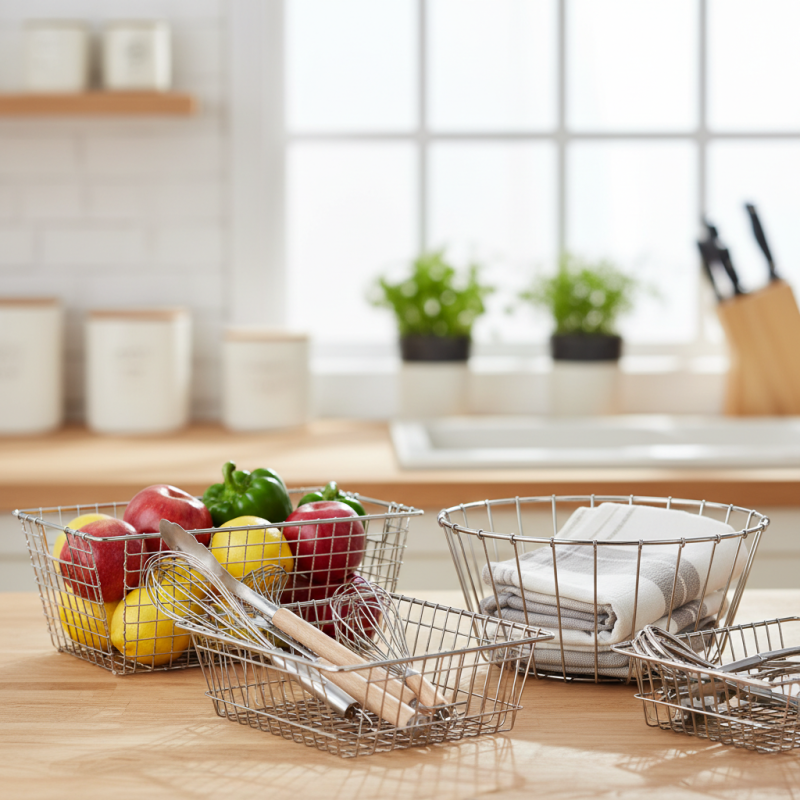
How to Choose the Best Stainless Steel Basket for Your Needs?
When selecting a stainless steel basket, several factors demand attention. The choice impacts durability, functionality, and aesthetic appeal. A high-quality stainless steel basket not only withstands daily use but also elevates your kitchen's style. However, many shoppers feel overwhelmed with choices. Some baskets may seem perfect but may not meet specific needs.
Consider the size and shape of the basket. A larger basket can hold more items, while a smaller one fits limited spaces. Evaluate the purpose, whether for food preparation, storage, or serving. Not all stainless steel baskets are created equal, and quality varies across brands. Pay attention to the grade of stainless steel. It determines rust resistance and longevity.
While it is easy to select a basket based on design alone, function should drive the decision. A beautiful basket that doesn’t fit your needs becomes a regrettable purchase. Research different options and read user reviews. These insights can reveal unexpected strengths or weaknesses in various models, guiding you toward a wise investment. Choosing the right stainless steel basket is more than aesthetics; it’s about finding a reliable tool that supports your daily routines.
Factors to Consider When Choosing a Stainless Steel Basket for Cooking
Choosing the right stainless steel basket can significantly impact your cooking experience. One key factor is the size. Consider what you will use the basket for. A small basket may suffice for steaming vegetables, while larger portions of pasta or fried foods might need a bigger size. Evaluating your common cooking tasks helps determine the appropriate dimensions.
Another essential aspect is the design of the basket. Look for baskets with sturdy handles that provide a firm grip when lifting, especially when hot. Some baskets have perforations that enhance water drainage. This feature is vital for tasks like blanching vegetables. Quality construction matters too; flimsy baskets may warp under high heat.
Think about maintenance as well. Stainless steel is generally easy to clean, but certain designs trap food particles more than others. Baskets that require extensive scrubbing may not be practical for everyday use. Reflect on your cooking habits to ensure the basket will meet your needs. Remember, the best choice aligns with your cooking style and preferences.
Factors to Consider When Choosing a Stainless Steel Basket for Cooking
Different Types of Stainless Steel Baskets and Their Uses in the Kitchen
Stainless steel baskets come in various types, each with unique uses in the kitchen. A colander is essential for rinsing fruits and vegetables. Its perforated design allows water to drain easily, but be cautious—some models may not be as sturdy as others. A solid colander can last decades, while thinner options may warp over time.
Steamer baskets are another popular choice. They enable healthy cooking methods by allowing food to steam without losing nutrients. However, it’s important to consider the size of your pot. A basket that’s too small may spill food, creating a mess. In contrast, a large steamer can handle multiple servings at once. Just remember, the configuration of the holes can impact steam circulation.
Additionally, storage baskets are gaining popularity. They help organize kitchen spaces effectively. While they are visually appealing, some may find they rust or lose their shine after frequent use. Therefore, investing in baskets with thicker material can prove beneficial. Always consider the functionality and maintenance when choosing the right basket for your kitchen needs.
Material Grades: Understanding the Best Stainless Steel for Durability
When selecting a stainless steel basket, understanding the material's grade is vital. Different grades of stainless steel can greatly affect the basket's durability and performance. The most common grades include 304 and 316. Grade 304 is recognized for its excellent corrosion resistance, making it suitable for general use. However, it may not withstand harsh environments well.
Grade 316 stainless steel is often preferred for marine or highly corrosive settings. It features molybdenum, enhancing its resistance to saltwater and chemical exposure. While 316 is more expensive, its lifespan may justify the cost for specific applications. When choosing your basket, consider the environment where it will be used.
Another aspect to consider is the thickness of the steel. Thicker material can lead to a more robust construction, but it might also add weight. Balancing weight with durability is key. Additionally, evaluate the welding quality and finish; slight imperfections can affect performance but can also indicate craftsmanship. A well-made basket often reflects attention to detail, impacting its overall reliability.
How to Choose the Best Stainless Steel Basket for Your Needs? - Material Grades: Understanding the Best Stainless Steel for Durability
Material Grade
Corrosion Resistance
Tensile Strength
Common Applications
Durability Rating
304
Excellent
70 ksi
Food processing, kitchen appliances
High
316
Superior
70 ksi
Marine applications, chemical processing
Very High
430
Moderate
59 ksi
Automotive trim, household appliances
Medium
201
Fair
50 ksi
Home appliances, decorative purposes
Low
Duplex
Very High
90 ksi
Oil and gas, heavy-duty applications
Exceptional
Size and Capacity: Selecting the Right Dimensions for Your Needs
Selecting the right size and capacity for your stainless steel basket can greatly impact your kitchen efficiency. Industry research highlights that 70% of home cooks often underestimate the volume required for meal prep. When choosing a basket, consider its dimensions based on your cooking needs. A smaller basket may prevent overcrowding but could limit cooking efficiency.
Think about the types of foods you prepare regularly. For larger items, a spacious option is essential. Conversely, for smaller portions, a compact design is sufficient. Some baskets come in various sizes, offering flexibility. However, be cautious—too much space can lead to uneven cooking.
Tip: Measure your kitchen space carefully before buying. This helps ensure that your basket fits comfortably where you intend to use it. Always check the weight capacity. Experts suggest a margin of at least 10% above your typical load to avoid overloading, which can lead to wear and tear. Opting for the right size isn't just about today’s needs; consider future meal trends too. Always reevaluate your choice, as needs can change with culinary habits.
Maintenance Tips for Extending the Life of Your Stainless Steel Baskets
When it comes to maintaining stainless steel baskets, proper care is essential for longevity. Regular cleaning is necessary. Use warm, soapy water to remove food residues. A study by the Stainless Steel Institute indicates that consistent cleaning can improve hygiene levels by 50%. Avoid harsh chemicals that can damage the surface.
Drying the baskets immediately after washing is crucial. Moisture promotes rust, even in stainless steel. Experts suggest using a soft cloth for drying. This simple habit can significantly extend the lifespan. Many users overlook this step, leading to premature wear.
Storage also plays a role in maintenance. Keep baskets in a dry area, away from moisture and direct sunlight. Over time, exposure can dull the finish. Regular inspections for scratches or dents can help in early detection of potential issues. Staying proactive about care ultimately saves money on replacements.