- About Us
- Privacy Policy
- Shipping and Returns
- Terms and Conditions
- Custom Quotation
- Sample Pack
- Contact Us
- Blogs
© 2025 Copyright. All rights reserved.

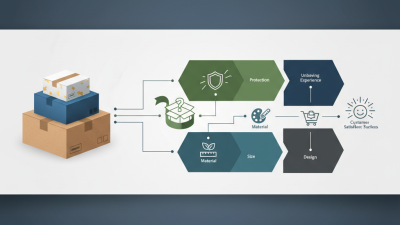
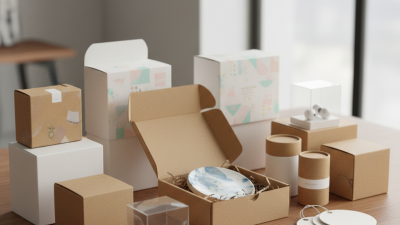
When it comes to running a business, the choice of small packaging boxes plays a crucial role. These boxes not only protect your products but also enhance your brand image. Selecting the right design and size can impact customer satisfaction. Small packaging boxes offer a practical solution for businesses of all sizes.
However, the perfect box may not always be obvious. Many businesses overlook the importance of material quality, which can affect durability. Choosing eco-friendly options might be appealing but can sometimes compromise sturdiness. It's essential to find a balance that meets both practical and ethical standards.
Reflecting on your specific needs is vital. What do your products require? Analyzing customer feedback can provide insight into what works and what doesn't. The wrong choice could lead to damaged goods or unhappy customers. Taking the time to evaluate the options will ultimately contribute to your success.

When selecting small packaging boxes, consider the type of product you're offering. Different products require unique packaging solutions. For instance, fragile items benefit from sturdy boxes with padding. This ensures they arrive in one piece. On the other hand, lightweight products can use simpler, cost-effective designs.
Tips: Always test the boxes with your products. Sometimes, a perfect fit might not offer enough protection. You might find that over time your choice needs adjustment.
Eco-friendly options are increasingly popular. Biodegradable materials work well for businesses aiming for sustainability. Consider the aesthetics too. Well-designed boxes attract customers. They can also enhance your brand image. However, don’t let appearance override functionality. Sometimes, you might need to balance looks and utility.
Tips: Review your packaging choices regularly. As your business grows, so do your needs. Be prepared to rethink your packaging strategy. What seemed perfect before might not be ideal now.
| Box Type | Dimensions (inches) | Material | Best For | Cost Range |
|---|---|---|---|---|
| Rigid Boxes | 8 x 6 x 2 | Cardboard | Luxury Goods | $2.50 - $5.00 |
| Folding Cartons | 12 x 9 x 3 | Paperboard | Food Products | $0.50 - $1.50 |
| Mailer Boxes | 10 x 8 x 2 | Corrugated Cardboard | E-commerce | $1.00 - $3.00 |
| Gift Boxes | 7 x 5 x 4 | Premium Paper | Gifts | $1.50 - $4.00 |
| Plastic Boxes | 6 x 4 x 3 | PET Plastic | Retail Products | $0.80 - $2.00 |

When choosing small packaging boxes, several factors are crucial. Size and shape matter. A study by the Packaging Industry Association reveals that 35% of consumers prefer packaging that fits their needs perfectly. Oversized boxes waste material, while under-sized boxes can damage products. Selecting the right dimensions helps reduce costs and enhance customer satisfaction.
Material choice is another significant consideration. Durable materials like corrugated cardboard are popular. According to a recent report, 60% of businesses opt for eco-friendly options. Sustainable packaging supports brand image and meets consumer preferences. However, finding the right balance between cost and quality can be challenging. Cheaper materials might save money but can lead to negative experiences.
Design plays an essential role too. A report from the Packaging Design Council indicates that 70% of consumers form their opinions based on packaging aesthetics. Simple designs can sometimes miss opportunities to create an emotional connection. Yet, overly complex designs may confuse customers. Striking the right balance is an ongoing challenge for businesses looking to stand out.
When selecting small packaging boxes for your business, the material is crucial. Cardboard is a popular option due to its lightweight and sturdy nature. It can hold weight well and is easy to print on. Many businesses prefer cardboard because it is recyclable. However, some find it lacks the premium feel.
Plastic packaging boxes offer durability and moisture resistance. They are perfect for products that need extra protection. Yet, these boxes tend to be less environmentally friendly. Some customers may even shy away from plastic due to sustainability concerns.
Consider kraft paper for a natural look. It’s biodegradable and gives a rustic touch. However, kraft paper might not always provide the strongest support. Reflect on your product's needs and how the material aligns with your brand values. It’s essential to balance aesthetics, cost, and environmental impact when making your choice.
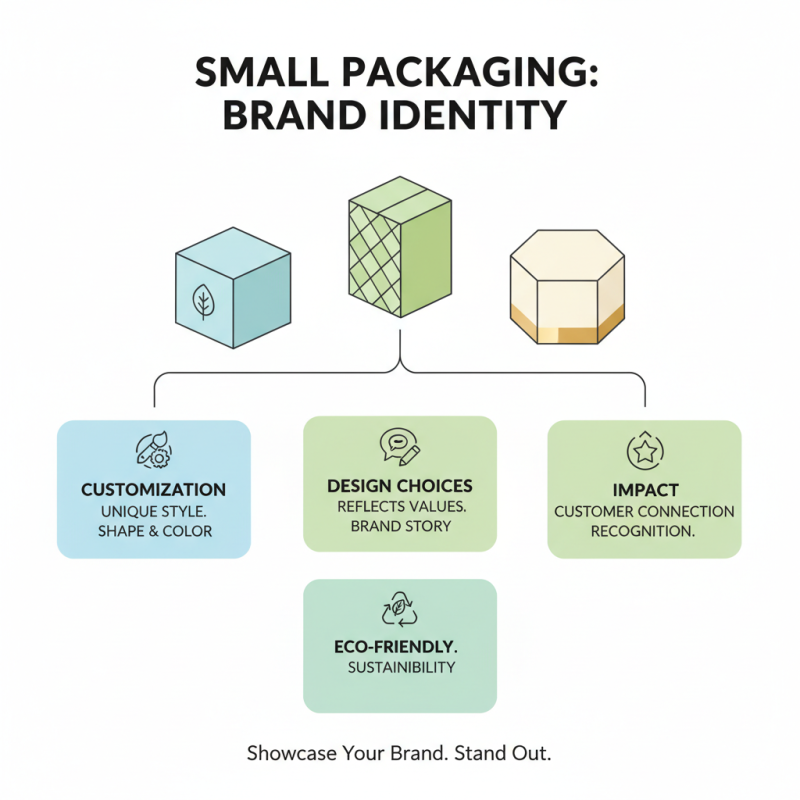
When it comes to small packaging boxes, brand identity plays a critical role. Customization allows businesses to showcase their unique style. Think about colors, shapes, and finishes that resonate with your brand. Design choices should reflect your values. For example, eco-friendly materials can highlight sustainability efforts.
Imagining your packaging as an extension of your brand is essential. A well-designed box can catch attention. However, it’s not just about aesthetics. Functional aspects matter too. A box that looks good but is difficult to open can frustrate customers. Sometimes, simplicity works best. Uncluttered designs often lead to better brand recognition.
Finding the right balance is challenging. Trying to fit too much information on the box can confuse customers. Focus on key elements—your logo and tagline should be easily visible. Reflecting your brand’s story through visuals is a powerful tool. It creates a connection, but beware of overcomplicating the design. Strive for clarity while maintaining appeal.
Choosing small packaging boxes requires careful consideration of cost-effectiveness and sustainability. Businesses face pressure to reduce costs while also addressing environmental concerns. According to industry reports, packaging waste accounts for nearly 30% of global solid waste. Thus, choosing sustainable materials can significantly reduce a company's environmental footprint.
Many companies are turning to recyclable or compostable materials. These options may have a slightly higher upfront cost, but they often provide long-term savings. In fact, studies show that businesses utilizing sustainable packaging can attract over 50% more eco-conscious consumers. This shift also enhances brand loyalty, as customers appreciate the effort to minimize environmental impact.
Tip: Explore local sourcing options to reduce shipping costs and carbon emissions. Local materials may also add unique value to your branding.
It’s important to understand your target market and their preferences. While some consumers prioritize low prices, others are willing to pay extra for sustainability. Balancing these factors can be complex. Always assess the long-term implications of your packaging choices. Is the savings worth the potential backlash from sustainability-minded consumers? Consider testing different packaging solutions to gauge customer reactions before fully committing.
© 2025 Copyright. All rights reserved.

Magento Catalog Menu Widget by EMThemes Magento Themes & Magento Templates