How to Choose the Best Foundry Sand Mixer for Your Needs?
Selecting the right Foundry Sand Mixer is crucial for improving sand quality and process efficiency. According to a 2022 industry report by Smithers, the global foundry market is projected to grow at a CAGR of 3.5% over the next five years. This growth underscores the need for reliable and effective mixing equipment, which can significantly impact production costs and output quality.
When choosing a Foundry Sand Mixer, consider factors such as size, mixing capacity, and energy efficiency. Reports indicate that high-quality mixers can reduce material waste by up to 20%. However, many foundry operators overlook the importance of customizing mixers to specific needs. This oversight can lead to inefficient operations and increased downtime.
Additionally, maintenance is often neglected. Regular upkeep of your Foundry Sand Mixer is essential for consistent performance. A well-maintained machine can operate for years without major issues. Ultimately, investing time in selecting the right mixer can yield substantial benefits. Always weigh your options carefully to ensure a balanced decision.
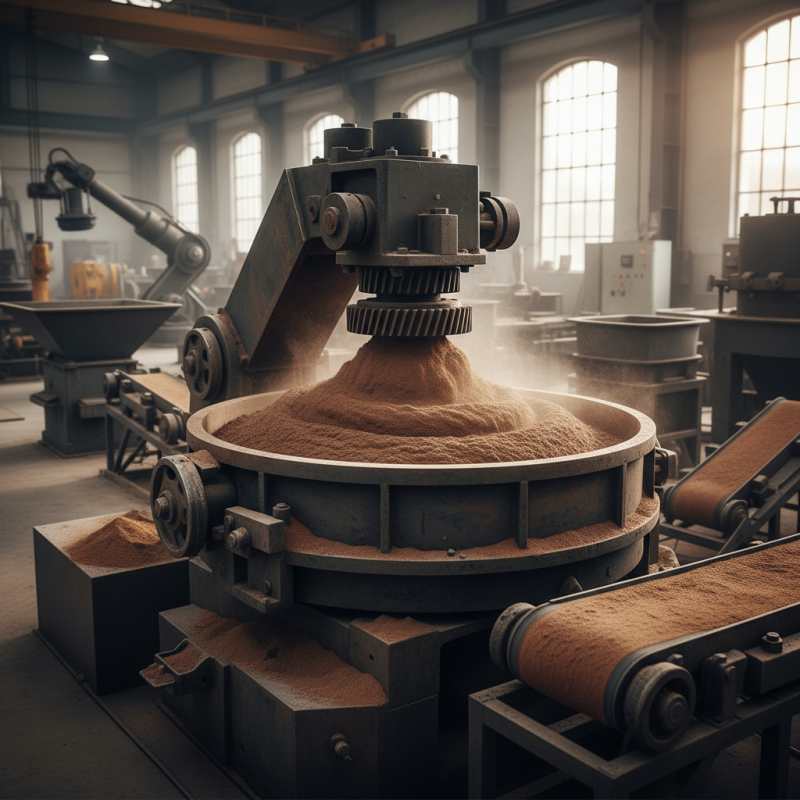
Understanding the Types of Foundry Sand Mixers Available in the Market
When selecting a foundry sand mixer, understanding the types available is crucial. Foundry sand mixers generally fall into three categories: batch mixers, continuous mixers, and high-intensity mixers. Each type serves different production needs and offers unique benefits. For example, batch mixers mix sand, binders, and additives in specific quantities, allowing for flexibility. Continuous mixers, on the other hand, provide an uninterrupted flow, ideal for high-volume production.
The market for foundry sand mixers is growing, expected to reach USD 3.5 billion by 2025, according to industry reports. This growth highlights the increasing demand for efficient mixing solutions. High-intensity mixers are often favored for their ability to produce uniform mixtures quickly and with minimal operator intervention. However, they can require more maintenance.
Tips: Ensure that you consider your production volume and the specific nature of your work. Evaluate the ease of cleaning and maintenance, which impacts long-term productivity. Investing in the right mixer can significantly improve your foundry's efficiency. Always keep in mind that what works for one foundry may not suit another; testing and gradual integration may help in avoiding costly mistakes.
Evaluating Key Features and Specifications of Sand Mixers
When choosing a foundry sand mixer, understanding its key features is vital. The mixing capacity is one of the first aspects to consider. Many models offer capacities ranging from 500 to 2000 pounds. This range can significantly affect productivity depending on your operational scale. Pay attention to the mixer's cycle time as well. Some mixers can blend sand in as little as 30 seconds, while others may take much longer. Efficiency in this aspect can reduce turnaround time for your projects.
Another important factor is the degree of mixing. Ideal sand mixers achieve a homogeneous mixture. Reports indicate that a well-mixed batch can reduce binding agent discrepancies by over 15%. This uniformity leads to better overall casting quality, minimizing defects in the final product. Look for machines that offer adjustable mixing speeds and blade configurations to tailor the process for specific sand types.
Tips: Always review user feedback on the mixer's performance. Consider the durability of the machine parts as well. Mixing components should withstand wear. Regular maintenance can extend the life of your mixer. Additionally, think about the availability of replacement parts and service support. It’s crucial to assess operational costs versus the upfront investment. Ensure the chosen mixer aligns with your budget while providing long-term reliability.
Assessing the Mixer Size and Capacity Based on Your Production Needs
Choosing the right foundry sand mixer starts with understanding your production needs. Mixer size and capacity are critical factors to consider. A small operation may only require a compact unit, but larger productions will need heavy-duty mixers. Evaluate your daily output to determine the optimal size. If your production fluctuates, a mixer with adjustable capacity could be beneficial.
Tips: Calculate your average sand usage. This will provide insights into the mixer size you need. Don’t forget to account for peak production periods. It's easy to underestimate needs when business is slow. Think about potential growth. A larger mixer might be an investment that pays off in the long run.
Pay attention to the mixer's efficiency. A well-balanced machine will save time and resources. Assess your workspace too. Ensure there's adequate room for operation and maintenance. If you're confined to a small area, you might need to compromise on mixer capacity. Remember, no one-size-fits-all solution exists. Each facility has unique needs. Reflect on how your choices align with actual production demands. Balancing size and efficiency is key to making a wise choice.
Considering the Importance of Mixer Durability and Maintenance Requirements
When selecting a foundry sand mixer, durability and maintenance requirements are vital factors to examine. A robust mixer can significantly enhance the production process, reducing downtime and maintenance costs. Reports indicate that mixers with high-quality materials can last up to 15% longer than standard models. This longevity translates to improved efficiency and consistent output. If equipment breakdowns occur frequently, it can disrupt operations and lead to increased expenses.
Maintenance practices are equally important. Regular inspections and timely replacement of worn parts can prevent major failures. Specialized machinery often requires unique maintenance routines. According to industry sources, neglecting maintenance can diminish mixer performance by up to 30%. A well-maintained mixer not only lasts longer but also maintains its effectiveness and quality over time.
**Tip:** Always check the manufacturer's guidelines for maintenance schedules.
Understanding the mixer's construction is essential, too. Heavy-duty mixers usually have better resistance to wear and tear, contributing to longevity. However, simpler designs often allow easier maintenance access, which can be a substantial benefit. Weigh the complexities of maintenance with the need for durable machinery.
**Tip:** Evaluate the total cost of ownership, including maintenance.
Choosing the right foundry sand mixer hinges on balancing durability with maintenance ease. Make informed decisions that reflect a thorough understanding of your operational needs and constraints.
Durability and Maintenance Requirements of Foundry Sand Mixers
Reviewing Manufacturer Reputation and Customer Support Options
When choosing the best foundry sand mixer, manufacturer reputation is critical. Look for companies with a long history in the industry. Their experience can often indicate reliability and quality. Companies known for innovation may offer better designs. You want a mixer that performs consistently and efficiently.
Customer support options are also vital. A reputable manufacturer should provide responsive and informed support. This can be crucial when you face operational challenges. Ensure they offer clear communication channels and timely assistance. Prompt support can minimize downtime during unexpected failures.
However, not all companies meet these standards. Some may have strong products but lack adequate customer service. Thorough research can help identify these pitfalls. Reading online reviews can offer insights into real user experiences. Reflect on feedback about manufacturer support before making a decision.


