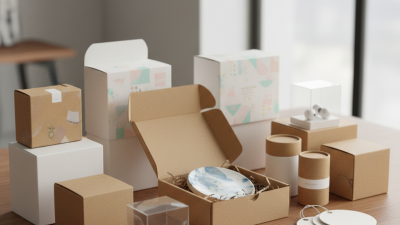
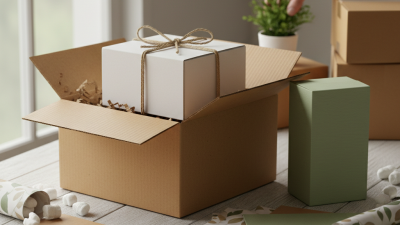
What is Cardboard Packaging Boxes and Their Uses in Modern Business?
In today's fast-paced business environment, cardboard packaging boxes play a vital role. They are eco-friendly, lightweight, and cost-effective. According to a report from Smithers Pira, the global market for cardboard packaging is projected to reach $400 billion by 2024. This significant growth highlights the rising demand for sustainable packaging solutions.
These boxes serve various functions beyond mere product protection. They can enhance brand visibility through creative designs. In fact, around 70% of consumers prefer brands that use sustainable packaging. However, not all businesses have fully adopted cardboard solutions. Some still rely on plastic, which may hinder their sustainability efforts.
The versatility of cardboard packaging boxes allows them to be used across industries. For example, the e-commerce sector heavily relies on them for shipping. Despite their advantages, challenges in sourcing recycled materials persist. Businesses need to address these shortcomings to optimize their packaging strategies and truly embrace sustainability.

Definition and Characteristics of Cardboard Packaging Boxes
Cardboard packaging boxes are a vital element in the modern business landscape. They are made from renewable materials and offer excellent protection for products. Their lightweight nature reduces shipping costs, making them a popular choice for many companies. According to a 2023 report by MarketsandMarkets, the global cardboard packaging market is projected to reach $168.5 billion by 2027. This growth is driven by the rising demand for sustainable packaging solutions.
The characteristics of cardboard boxes include durability and versatility. They can be easily custom-designed to fit various products. Additionally, cardboard is recyclable, aligning with eco-friendly initiatives. A survey by Smithers Pira indicates that more than 70% of consumers prefer brands that use recyclable packaging. This indicates a shift in consumer behavior towards sustainability, causing businesses to rethink their packaging strategy.
However, not all cardboard boxes perform equally well. Some may lack moisture resistance, which could damage products. Businesses face a challenge in balancing cost and quality. Companies must reflect on whether their packaging meets customer expectations. This gap can affect brand loyalty. Understanding these characteristics helps businesses make informed choices about their packaging needs.
Types of Cardboard Packaging Boxes Used in Modern Business
Cardboard packaging boxes play a crucial role in modern business. They are versatile and sustainable. Various types of cardboard boxes cater to different needs. Each type serves specific functions, enhancing efficiency and branding.
Regular slotted containers (RSC) are common in shipping. They’re easy to assemble and cost-effective. A report from Smithers shows that the demand for RSC boxes is increasing, projected to rise by 3% annually. Another type, die-cut boxes, offers customization. Retailers favor them to create unique packaging solutions that stand out on shelves. Paperboard boxes, lighter and easier to print, are ideal for cosmetics and food products.
Tips: Use eco-friendly materials to attract environmentally conscious consumers. Consider the size of your products. Overly large boxes waste materials and cost money. Reflect on your packaging strategy. Sometimes, less is more when appealing to your audience.
Types of Cardboard Packaging Boxes Used in Modern Business
This chart illustrates the distribution of different types of cardboard packaging boxes utilized in modern businesses. The data highlights the significance of each type within the packaging industry.
Benefits of Using Cardboard Packaging for Product Protection
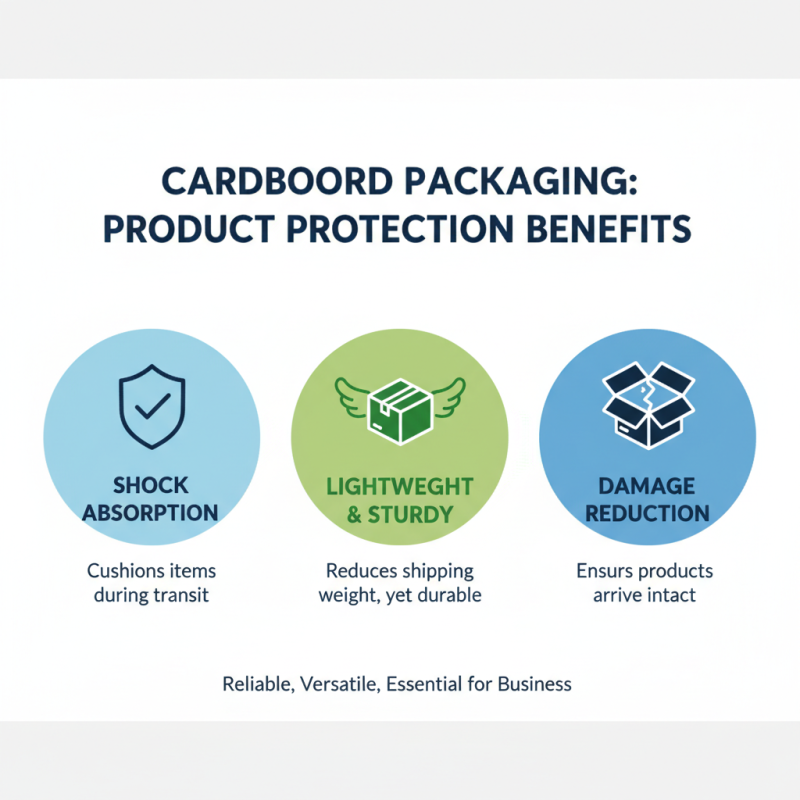
Cardboard packaging boxes are a staple in modern business. They offer numerous benefits, particularly in product protection. These boxes are lightweight yet sturdy, making them ideal for various products, from electronics to food. Their ability to absorb shocks can safeguard items during transit. This reduces the risk of damage, ensuring products reach customers intact.
Using cardboard boxes can also be an eco-friendly choice. They are made from renewable resources and can be recycled. However, it's essential to consider the quality of cardboard used. Not all cardboard is created equal. Thin cardboard may not provide adequate protection for heavier items. Businesses should assess their specific needs carefully.
In many cases, the packaging design can impact product safety as well. Well-designed boxes can stabilize contents and prevent movement inside. This is crucial, especially for fragile items. Yet, some companies overlook this aspect, leading to increased returns and dissatisfaction. Taking time to refine packaging can significantly improve customer experiences.
Sustainability and Environmental Impact of Cardboard Packaging
Cardboard packaging boxes have gained popularity in modern business due to their sustainability. Made from recyclable materials, they offer an eco-friendly alternative to plastic. These boxes minimize waste and can be repurposed multiple times. However, their production still requires energy and resources. It's essential to evaluate this balance.
The impact of cardboard packaging on the environment is complex. While they are biodegradable, improper disposal contributes to pollution. Many consumers are unaware of the importance of proper recycling. Awareness campaigns could improve recycling rates. Furthermore, the use of inks and adhesives in cardboard can pose environmental concerns. Business owners must consider these factors when choosing packaging options.
Sustainability is not just about materials. Businesses should also focus on reducing packaging size. Excessive packaging leads to wasted resources. Finding the right balance is often a challenge. Exploring innovative solutions can enhance the sustainability of cardboard boxes. The journey toward more eco-friendly practices in packaging is ongoing.
Innovative Uses of Cardboard Packaging in Various Industries
Cardboard packaging is transforming industries in unexpected ways. In retail, it often catches the eye. Bright colors and creative shapes draw customers in. According to a report by Smithers Pira, the global cardboard packaging market is projected to grow by 3.6% annually, reaching over $200 billion by 2024. This growth signals a shift towards sustainable practices.
In e-commerce, cardboard boxes provide protection during shipping. They are lightweight and recyclable. This advantage helps reduce carbon footprints. However, not all cardboard is created equal. Some companies struggle with quality control, leading to damaged goods. Reports indicate that nearly 15% of products shipped in inadequate packaging can experience delivery issues.
The food industry also benefits from cardboard packaging. It keeps products fresh, and its biodegradable nature appeals to eco-conscious consumers. Yet, some restaurants find it difficult to source quality materials consistently. A National Restaurant Association study shows that 47% of operators face challenges in maintaining packaging quality. Cardboard packaging presents opportunities, but the industry needs to address these pitfalls for continued success.