

- About Us
- Privacy Policy
- Shipping and Returns
- Terms and Conditions
- Custom Quotation
- Sample Pack
- Contact Us
- Blogs
© 2025 Copyright. All rights reserved.

When it comes to selecting the right thickness for UV marble sheets, understanding the specifics can make a considerable difference. Recent industry reports indicate that the ideal thickness ranges from 2mm to 6mm, depending on the application. While thinner sheets may suffice for decorative purposes, thicker options offer enhanced durability and resilience. This is crucial for areas with heavy foot traffic or exposure to outdoor elements.
Consider the thermal stability of UV marble sheets. A thicker sheet can withstand higher temperatures, reducing the risk of warping or damage. In fact, studies have shown that UV marble sheets over 4mm show significantly improved resistance in various environmental conditions. However, it is essential to weigh the benefits against the added weight and handling challenges thicker sheets present.
Though thicker sheets boast many advantages, not every project requires them. The choice often hinges on aesthetic preferences and functional demands. An informed decision can lead to better outcomes, yet many overlook the impact of thickness. Balancing these factors is key to ensuring the right fit for your specific needs, making the understanding of Uv Marble Sheet Thickness paramount for successful projects.
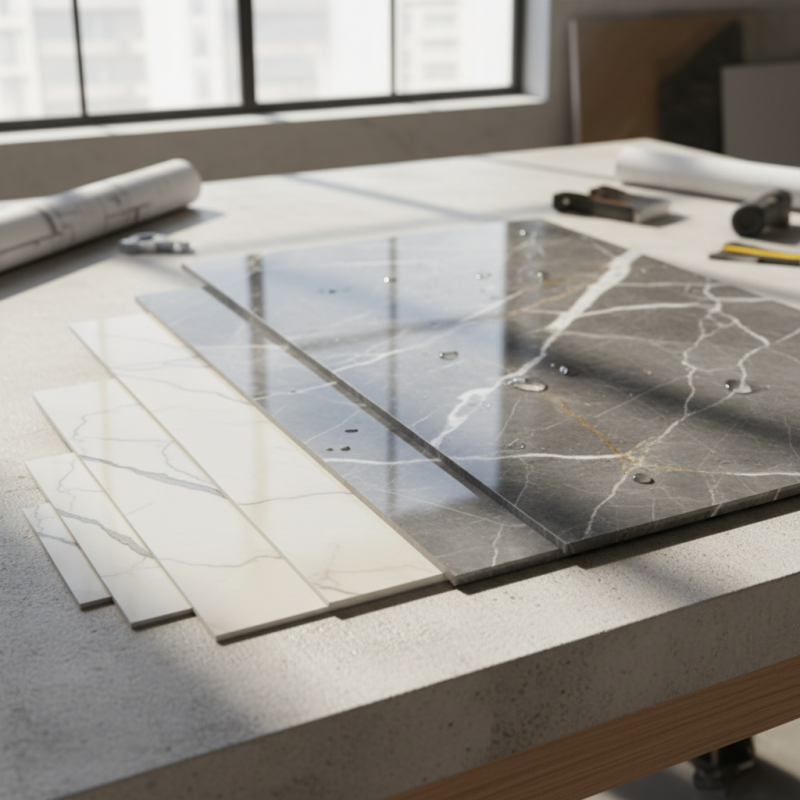
UV marble sheets have gained traction in recent years for their aesthetic and functional properties. They are popular due to their scratch-resistant and easy-to-clean surfaces. According to industry reports, the thickness of these sheets typically ranges from 3mm to 12mm. Choosing the right thickness is crucial for durability and application suitability. Thinner sheets may be suitable for wall panels, but thicker variants offer enhanced strength for countertops.
Applications of UV marble sheets are diverse. In residential settings, they are favored for kitchen surfaces and bathroom vanities. Commercial environments utilize them in high-traffic areas due to their durability. For instance, design experts note that sheets with a thickness of 6mm to 8mm strike a balance between weight and strength. However, not all products maintain uniform quality, leading to potential concerns regarding their longevity and aesthetic consistency. Proper installation is vital; poorly installed sheets may warp or chip over time.
Ultimately, understanding the specific needs of a project is essential. Consideration of factors like load-bearing and environmental exposure can guide the selection of the right UV marble sheet thickness. Industry experts recommend always sourcing materials from reputable suppliers to mitigate risks associated with lower-quality products.
When selecting UV marble sheets for projects, the thickness plays a crucial role. Different applications require varying durability levels. For countertops, thicker sheets provide strength and robustness. A 12mm thickness is often ideal, ensuring resistance to daily wear and tear. In contrast, wall panels might only need a 6mm thickness. This lighter option is easier to handle and install while still providing an appealing aesthetic.
Another factor influencing thickness is the intended use. High-traffic areas demand thicker sheets to withstand constant pressure. On the other hand, decorative applications can utilize thinner options without compromising appearance. It’s important to consider the environment as well. Humidity or temperature fluctuations can affect material performance. Thicker sheets often offer better stability in challenging conditions.
While thickness is essential, it’s also worth noting other considerations. Cost and availability can vary significantly among different thicknesses. Sometimes, a compromise is necessary between desired thickness and budget constraints. Reflecting on the specific requirements of your project will guide you in making the best choice. Ultimately, balancing thickness with practical needs is key to a successful outcome.
When selecting the thickness of UV marble sheets for your projects, it's crucial to understand the common options available. The most common thicknesses are 1mm, 3mm, and 5mm. Each offers unique advantages for different applications. For decorative projects, 1mm sheets are lightweight and easily manipulated. However, their durability can sometimes be a concern.
3mm sheets provide a balance between strength and flexibility. They are suitable for wall cladding and furniture applications. This thickness is popular because it offers better impact resistance than the thinner option. Yet, some users find that 3mm might not be robust enough for heavy-duty surfaces. This could lead to concerns over longevity.
5mm UV marble sheets are the thickest option and are typically used in heavy-use areas, such as countertops. They offer greater durability, but at an increased weight. This can present challenges during installation. It's essential to reflect on your project's specific needs when choosing thickness. A project might benefit from a mix of thicknesses to optimize performance and aesthetics.
Choosing the right thickness for UV marble sheets is crucial for any project. It not only affects aesthetics but also durability and functionality. For countertops, a thickness of 1.5 cm is often sufficient. It balances strength and weight. Thicker options, like 2 cm, provide a more substantial feel. They can also handle more stress, making them ideal for high-use areas.
Understanding the project's requirements is vital. Consider the intended use. Areas with high impact may benefit from thicker sheets. On the other hand, decorative elements might only need a slim profile. Installation methods can also dictate thickness. Wall applications may require less material compared to floors or countertops.
Reflecting on your choices is important. Many overlook the implications of thickness on transport and handling. A heavier sheet can complicate installation. It’s essential to weigh the benefits against practicality. Always consult with professionals to avoid mistakes. Making informed decisions can lead to better outcomes in your projects.
Choosing the right thickness for UV marble sheets is pivotal for various applications. Thin sheets, typically 3-5 mm, are lightweight and easy to handle. They are ideal for projects requiring flexibility, like wall panels or decorative elements. Reports indicate that thin sheets can reduce installation costs by up to 30%. However, their durability may not match that of thicker sheets.
Thicker sheets, ranging from 6-10 mm, offer enhanced strength and longevity. They are better suited for high-traffic areas or countertops. A comparative analysis reveals that thicker sheets resist scratches and impacts more effectively, providing better long-term value. However, they can add significant weight, making installation more challenging.
In practice, the choice between thin and thick sheets often involves trade-offs. Some projects may demand the aesthetics of thin sheets, while others prioritize the robust nature of thicker options. Understanding the specific requirements of your project can lead to a more informed decision.
| Thickness (mm) | Weight (kg/m²) | Durability Rating | Applications | Cost ($/m²) |
|---|---|---|---|---|
| 3 | 7.5 | Moderate | Decorative Panels, Wall Covers | 25 |
| 5 | 12.5 | High | Countertops, Flooring | 35 |
| 10 | 20 | Very High | Heavy-duty Applications, Industrial Use | 50 |
| 12 | 24 | Ultra High | Architectural Features, Custom Designs | 65 |
© 2025 Copyright. All rights reserved.

Magento Catalog Menu Widget by EMThemes Magento Themes & Magento Templates
